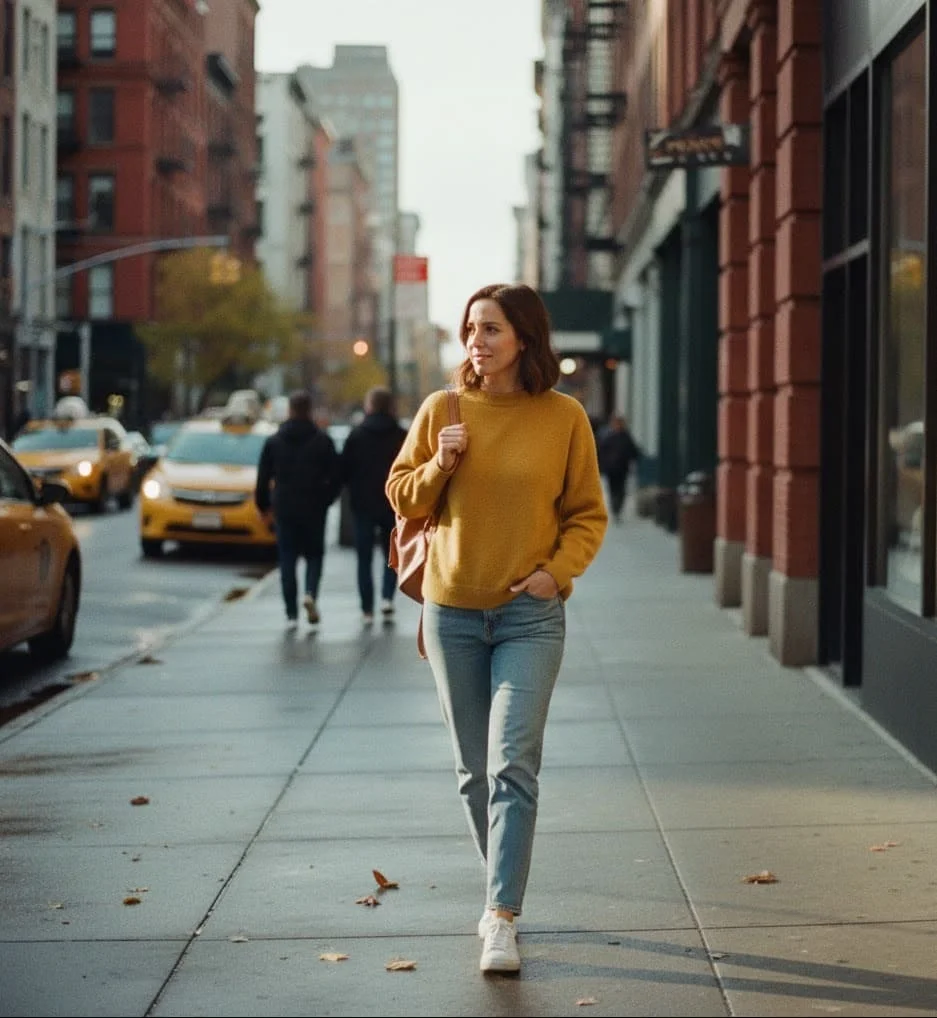
The first time I traveled alone, everything looked fine on paper. Plans were set. The hotel was booked. Still, once the door closed behind me, doubt arrived fast. Questions about safety, loneliness, and comfort filled the silence. That moment happens to many first-time solo travelers, even those who have traveled before with others.
Research on travel behavior shows that early anxiety usually comes from uncertainty, not danger. New places remove familiar support systems, which raises stress at first. However, with basic planning and awareness, solo travel is widely seen as manageable, especially in familiar destinations.
“Confidence does not come before the trip. It comes from taking the first step.“
What Solo Travel Really Means
Solo travel means taking a trip alone, not cutting yourself off from people. Instead, it means full control over your schedule and choices. Meals happen when hunger hits. Rest happens when energy drops. At the same time, conversations and shared moments can still happen naturally.
Unlike group travel, decisions stay simple. Because of that, stress often drops after the first adjustment phase. Many beginners expect constant excitement. In reality, quiet moments appear too. Even so, those moments often feel grounding.
Is Solo Travel Right for You?
Solo travel fits some people better than others. That does not mean one choice is better. Timing matters.
Solo travel may suit someone who enjoys independence and calm thinking. On the other hand, travelers who feel anxious without company may prefer starting small. For this reason, a short trip often works best as a test. One or two nights nearby can provide clarity without pressure.
Common Fears and What Usually Happens
Fear shows up in patterns. First comes worry about loneliness. Then comes concern about safety. Finally, fear of judgment appears.
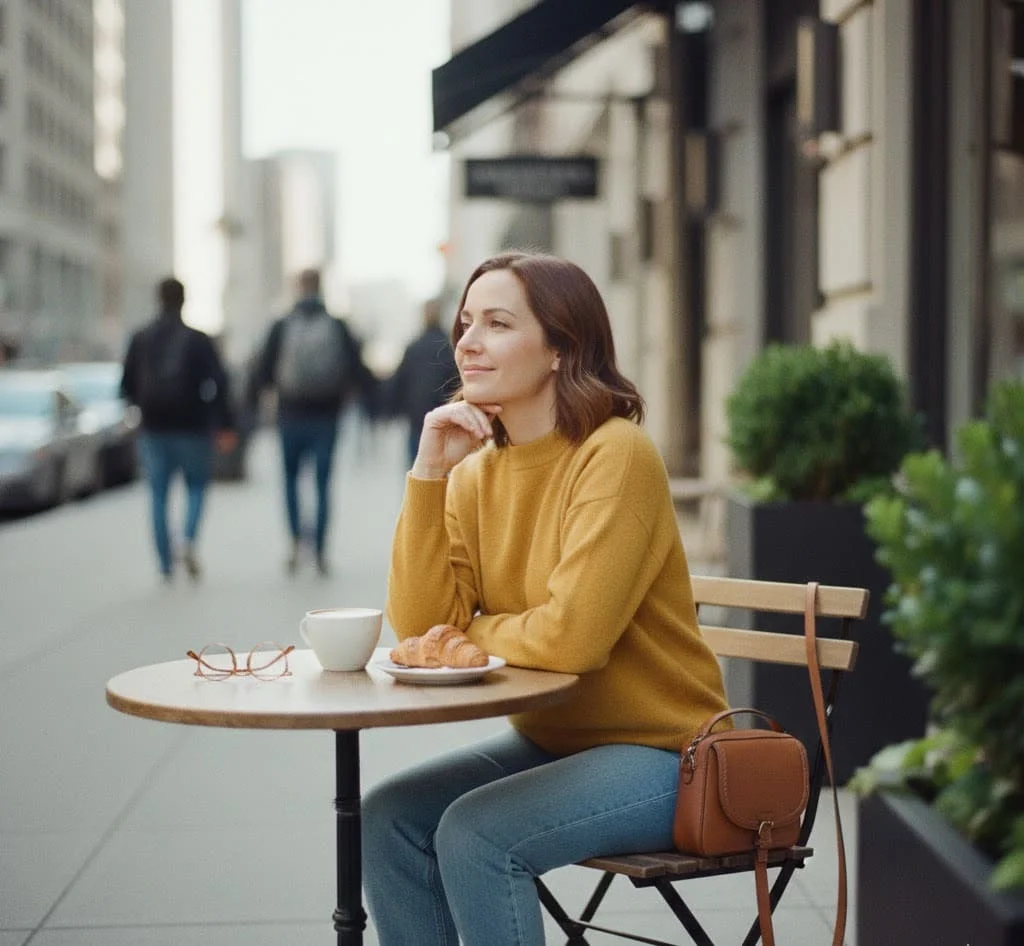
Loneliness usually comes in brief waves. A quiet meal may feel awkward at first. Later, that feeling fades. Safety concerns also lessen with routine habits. Staying aware, choosing well-reviewed places, and keeping plans simple reduce risk. Meanwhile, fear of judgment often disappears once it becomes clear that most people are focused on themselves.
Many fears fade once the trip begins and routines form.
What the First Days Feel Like
The first day often feels heavy. Fatigue mixes with unfamiliar sights. As a result, small tasks feel larger than usual. By the second day, patterns form. Navigation improves. Confidence grows slowly. After that, calm replaces tension.
This adjustment cycle appears often in first-time solo travel reports. Knowing this pattern ahead of time helps normalize it.
Planning Without Overthinking
Planning matters, but overplanning causes stress. Therefore, focus on basics first.
Start with a familiar location. Choose easy transport. Book accommodation with strong reviews. Plan only the first day. After that, leave space open. Flexibility allows energy levels to guide decisions rather than strict schedules.
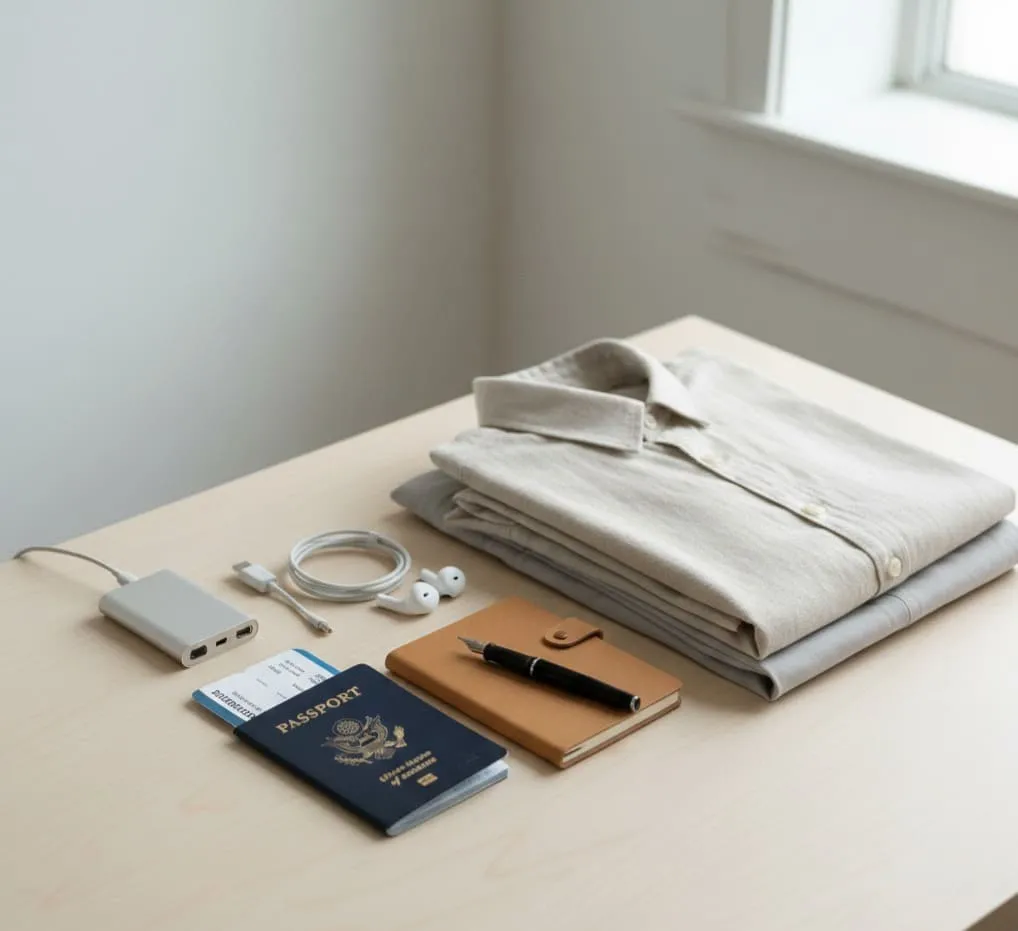
Packing should stay simple as well. Important documents, backups, and basic health items matter more than extra clothes. As a result, movement becomes easier and stress stays lower.
Simple planning reduces stress and makes solo travel easier.
Safety Habits That Matter
Safety comes from habits, not fear. Staying aware helps more than worrying. Sharing itineraries with someone trusted adds support. Avoiding late arrivals also reduces risk.
For health and safety checks, I rely on official guidance from CDC Travelers’ Health, which provides destination-specific advice on health risks, vaccinations, and general travel safety. Reviewing this information before booking helps beginners plan with facts instead of fear.
Awareness and preparation matter more than fear.
Solo Travel for Beginners works best when awareness stays calm and steady. Panic helps no one. Routine helps a lot.
Solo Travel vs Group Travel for Beginners
Aspect
Solo Travel
Group Travel
Schedule control
Full control
Fixed plans
Pace
Flexible
Set by group
Social pressure
Low
Moderate
Decision-making
Simple
Shared
Best for beginners?
Yes, if starting small
Yes, if structure helps
This comparison helps beginners choose what fits their comfort level.
Common Beginner Mistakes
New solo travelers often overplan days or compare trips to social media. Both habits increase stress. Instead, resting when tired and adjusting plans freely builds confidence. Mistakes will happen. However, small mistakes teach faster than perfect plans.
Starting Small Builds Confidence
Big trips are not required at first. Short trips build comfort step by step. Domestic travel removes extra stress. After that, longer trips feel easier. Confidence grows through repetition, not pressure.
Solo Travel for Beginners works best as a gradual process. Each trip adds experience.
Short trips help beginners build confidence step by step.
Final Thoughts
After years of traveling alone, one lesson stands out. Solo travel does not remove fear. It teaches how to manage it. Quiet meals, changed plans, and moments of doubt happen. Still, preparation and realistic expectations turn uncertainty into calm.
Solo Travel for Beginners is not about being fearless. It is about being ready. With clear planning, honest expectations, and small steps, solo travel becomes familiar. That is how most experienced solo travelers started.
Frequently Asked Questions
Is solo travel safe for beginners?
Yes, with planning and awareness. Choosing familiar destinations and following basic safety habits lowers risk.
Will I feel lonely traveling alone?
Loneliness may appear briefly. Most beginners find it fades as routines form.
How long should my first solo trip be?
One to three days works well. Short trips help build comfort without pressure.
Where should beginners stay?
Places with strong reviews and clear check-in processes work best.
Is solo travel expensive?
Costs depend on choices. Flexible planning often keeps budgets manageable.
Clara Whitmore is a US-based solo travel writer and founder of Travelist Corner. She shares practical advice on planning, safety, and what traveling alone is really like, helping travelers feel confident on their own trips.