

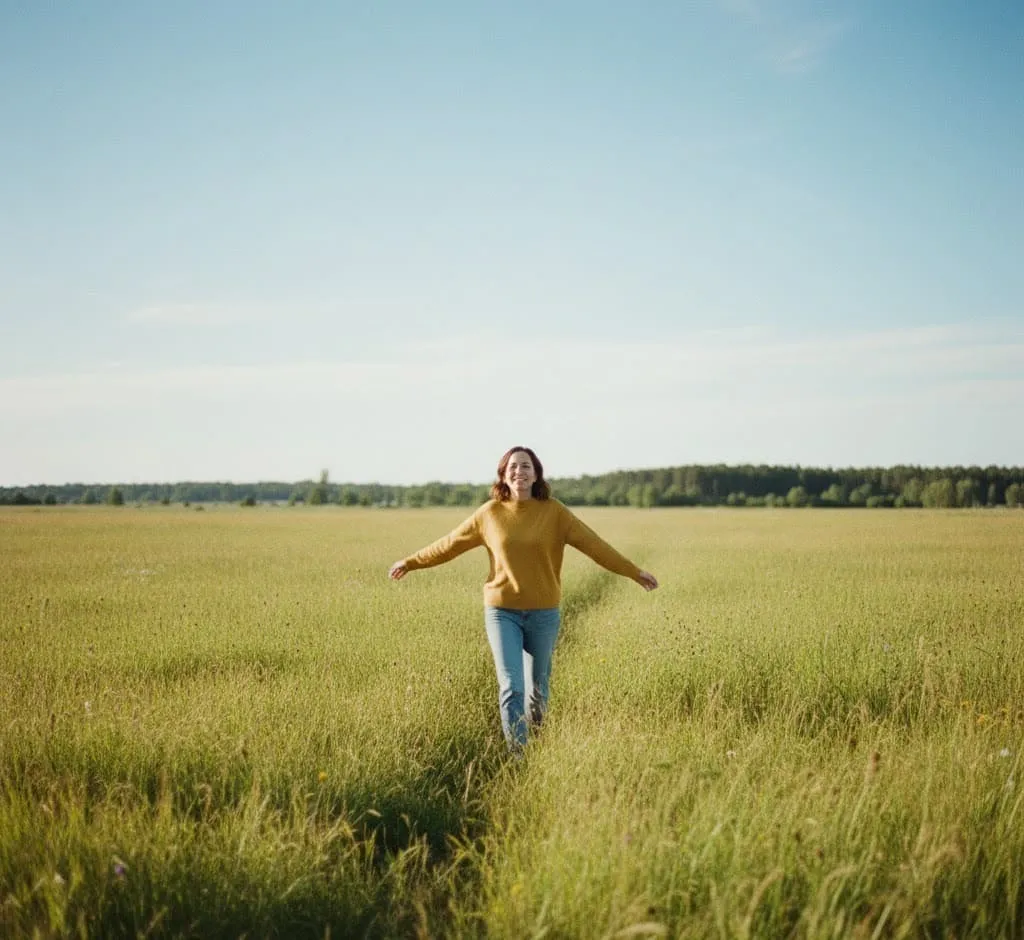
The idea of traveling alone often sounds exciting. Still, fear usually appears first for beginners. Doubt, hesitation, and quiet worries arrive before any booking happens.
From real trips, reader feedback, and beginner conversations, one pattern stays consistent. People want freedom, yet their thoughts slow them down. Questions like “Will I feel lonely?” or “What if I panic?” surface early. For this reason, this page focuses on the mental side of travel, because the solo travel mindset shapes the entire experience.
What a solo travel mindset means
The solo travel mindset describes how a person thinks before and during a trip taken alone. It is not about bravery. Instead, it centers on trust, flexibility, and calm awareness.
In practice, this mindset allows room for change. Plans shift. Delays happen. Silence appears. Even so, steady thinking helps travelers respond without stress. Over time, this mental approach becomes more valuable than perfect planning.
Why mindset matters more than planning
Planning helps with hotels and transport. However, mindset handles real moments.
During solo trips, small issues occur. A bus is missed. A café feels uncomfortable. A day feels quiet. In contrast, planning alone cannot fix these moments. Therefore, mental readiness matters more.
In many cases, beginners struggle because of fear rather than poor preparation. As a result, calm thinking often leads to smoother trips and better memories.
Common fears solo travel beginners face
Most beginners experience similar worries. These fears are normal.
- Feeling lonely
- Feeling unsafe
- Fear of being judged
- Fear of getting lost
- Fear of boredom
At times, these thoughts feel heavy. Still, fear usually comes from unfamiliar settings, not real danger. Once movement begins, tension often fades.
Being alone vs feeling lonely
Being alone does not automatically mean loneliness. These experiences differ.
Being alone describes a situation. Loneliness describes a feeling. For example, many solo travelers enjoy quiet moments after the initial discomfort passes. As a result, solitude often becomes peaceful instead of stressful.
Reframing fear during solo travel
Fear does not need to disappear. Instead, it can be reframed.
Rather than thinking “something is wrong,” a healthier thought is “this feels new.” Because new situations increase alertness, awareness improves. Due to this shift, curiosity replaces panic.
Helpful questions include:
- What can be learned here?
- What feels calm right now?
In real life, this approach reduces stress and supports emotional balance.
Mindset before the trip begins
Before departure, mental preparation matters most.
Helpful steps include:
- Setting one clear reason for the trip
- Accepting that plans may change
- Letting go of perfect expectations
Confidence rarely appears first. Instead, it grows through action. For this reason, waiting to feel fully ready often delays growth.
Mindset during the trip
Once the journey begins, slowing down helps.
Helpful habits include:
- Starting mornings gently
- Spending time in cafés or parks
- Walking without strict plans
- Eating meals without rushing
Meanwhile, limiting social media reduces comparison. Otherwise, constant scrolling can damage a good moment. In contrast, staying present improves enjoyment.
How confidence actually grows
Confidence develops through small actions.
For example:
- Ordering food alone
- Asking for directions
- Adjusting plans calmly
Each step proves capability. Over time, this builds trust. Many real experiences shared on Solo Traveler World show this same pattern:
Beginner-friendly guidance
For a first solo trip, simplicity works best.
- Choose places with easy transport
- Stay in central areas
- Plan lightly
There is no need to impress anyone. Instead, openness matters most. Later, comfort follows naturally.
Mindset shifts over time
| Before the Trip | During the Trip | After the Trip |
|---|---|---|
| Self-doubt | Curiosity | Self-trust |
| Need for control | Flexibility | Confidence |
| Fear of silence | Comfort with quiet | Mental clarity |
This shift happens gradually. Similarly, growth continues after returning home.

How the solo travel mindset helps daily life
The solo travel mindset does not end with travel.
Many people notice stronger decision-making, comfort with change, and better self-trust. At the same time, fear of being alone often fades. As a result, daily life feels calmer and more balanced.
Conclusion
From real trips, shared stories, and years of beginner feedback, one lesson repeats. Solo travel does not remove fear. Instead, it teaches how to move with it.
The biggest change is self-trust. Handling quiet moments, small problems, and unfamiliar places builds steady confidence. Once developed, the solo travel mindset supports growth far beyond travel and shapes everyday life.
Frequently Asked Questions
Is solo travel safe for beginners?
Solo travel can be safe with awareness and preparation. Official guidance from the U.S. government helps travelers stay informed. Check here: travel safety advice for international travelers
Will loneliness ruin a solo trip?
Quiet moments are normal. In many cases, solitude becomes enjoyable once fear fades.
Is confidence needed before traveling alone?
No. Confidence usually develops during the trip through small actions.
Is solo travel right for everyone?
Not always. Some people prefer shared travel. Solo travel suits those open to self-reflection.
Where can beginners learn more?
Beginner-focused guidance is also available from Wanderful, a community that supports first-time solo travelers:
