

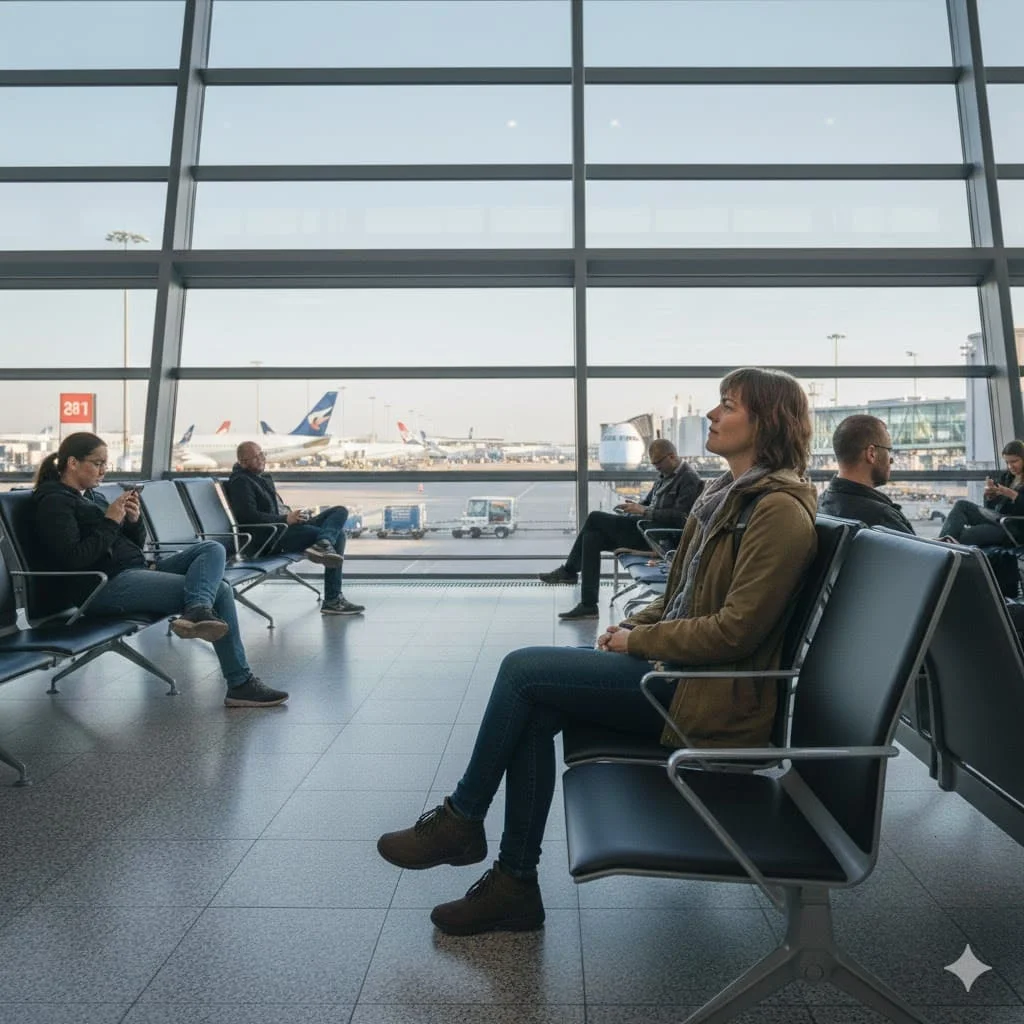
I remember the first time I thought about traveling alone. There was neither excitement nor nervousness. My head was full of questions. Is solo travel safe? Will I feel lonely? What if something goes wrong and I have no one to help? Friends warned me. Family questioned the idea. Online comments made the fear stronger. Most of these worries came from common solo travel myths, not real experience.
What stopped me was not money or time. It was fear built from stories and assumptions. When I finally took my first solo trip, many of those fears faded quickly. That trip showed me something important. Many people delay or avoid solo travel because they believe myths instead of facts. That is why these myths need clear and honest answers.
“Most fears about solo travel come from stories we hear, not from real experience on the road.”
Common Solo Travel Myths vs Reality
| Common Myth | Reality |
|---|---|
| Solo travel is dangerous | Safety depends on planning, not traveling alone |
| Solo travelers are lonely | Many meet people or enjoy quiet time |
| Only brave people travel solo | Most start nervous and gain confidence later |
| Solo travel is only for singles | Married and older people travel solo too |
| Traveling alone is expensive | Costs depend on choices, not group size |
| You must stay in hostels | Hotels and private stays are common |
| Eating alone is awkward | Most people do it without issues |
| Solo travel is only for young people | People travel solo at all ages |
Myth 1: Solo Travel Is Dangerous
This is the most common belief.
Many people think traveling alone increases risk.
That is not always true.
Safety depends on planning, not group size.
Choosing safe areas matters.
Staying alert matters.
Before any trip, I always check US travel safety advisories to review local conditions, safety levels, and regional risks. This step helps set realistic expectations and supports smarter planning.
Risk exists everywhere.
Solo travel does not create it.
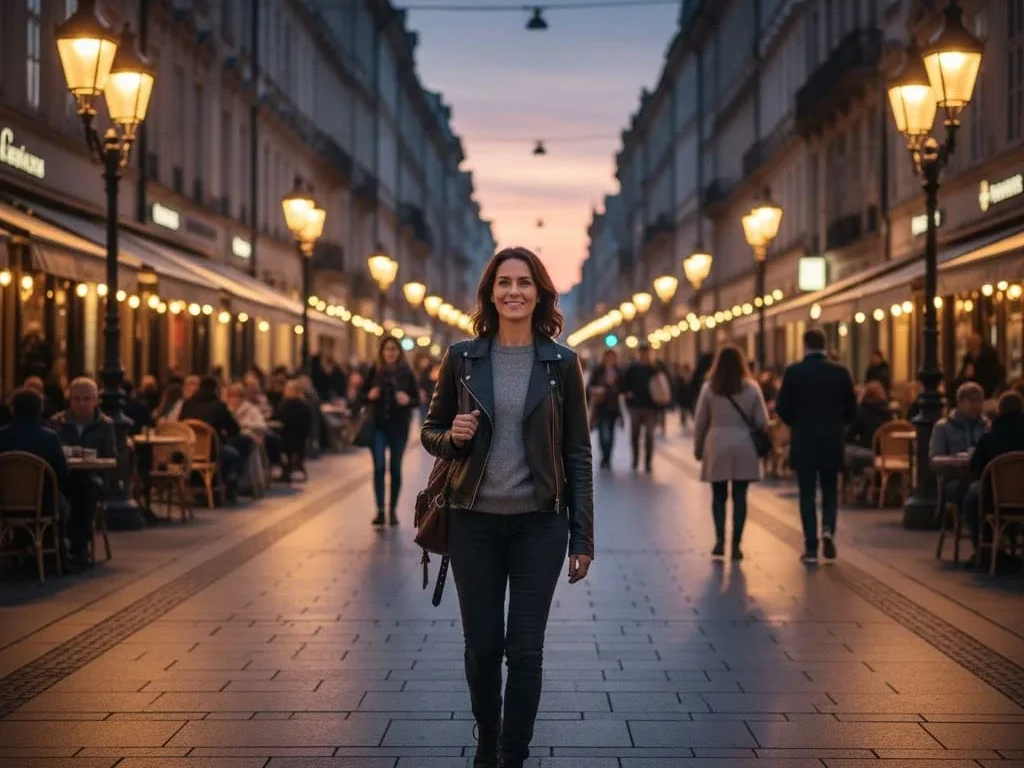
Myth 2: You Will Feel Lonely All the Time
Being alone does not mean being lonely.
Solo travelers meet people often.
On walking tours.
In cafes.
During local activities.
Some days are quiet.
That is normal.
Quiet time helps you reset.
It gives space to think.
Loneliness is a choice, not a rule.
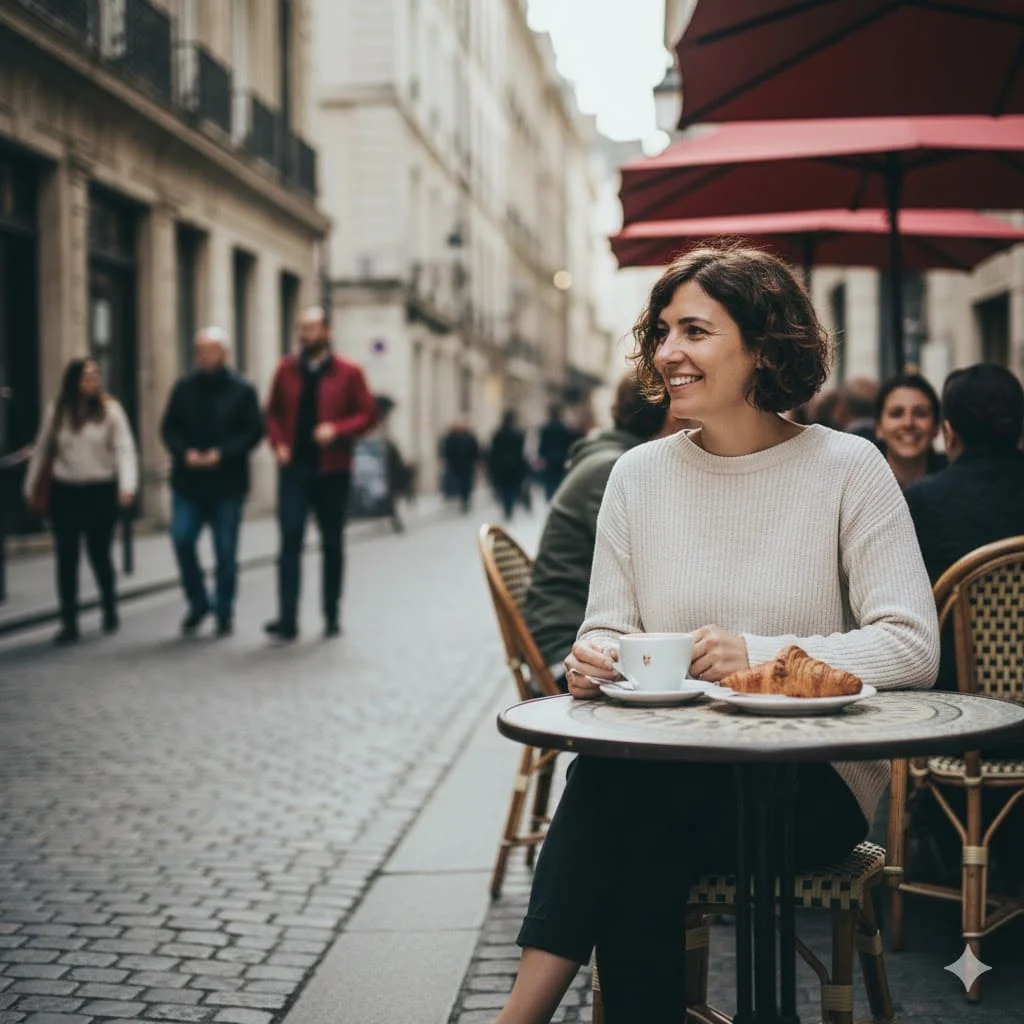
Myth 3: Solo Travel Is Only for Brave People
This myth stops many beginners.
Most solo travelers feel nervous at first.
That feeling is normal.
Confidence grows after you start.
Not before.
You do not need to be fearless.
You only need to take one step.
Myth 4: Solo Travel Is Only for Single People
Solo travel does not describe your relationship status.
It only means you travel alone.
Married people travel solo.
Parents do it.
Older adults do it too.
Solo travel is personal time.
Nothing more.
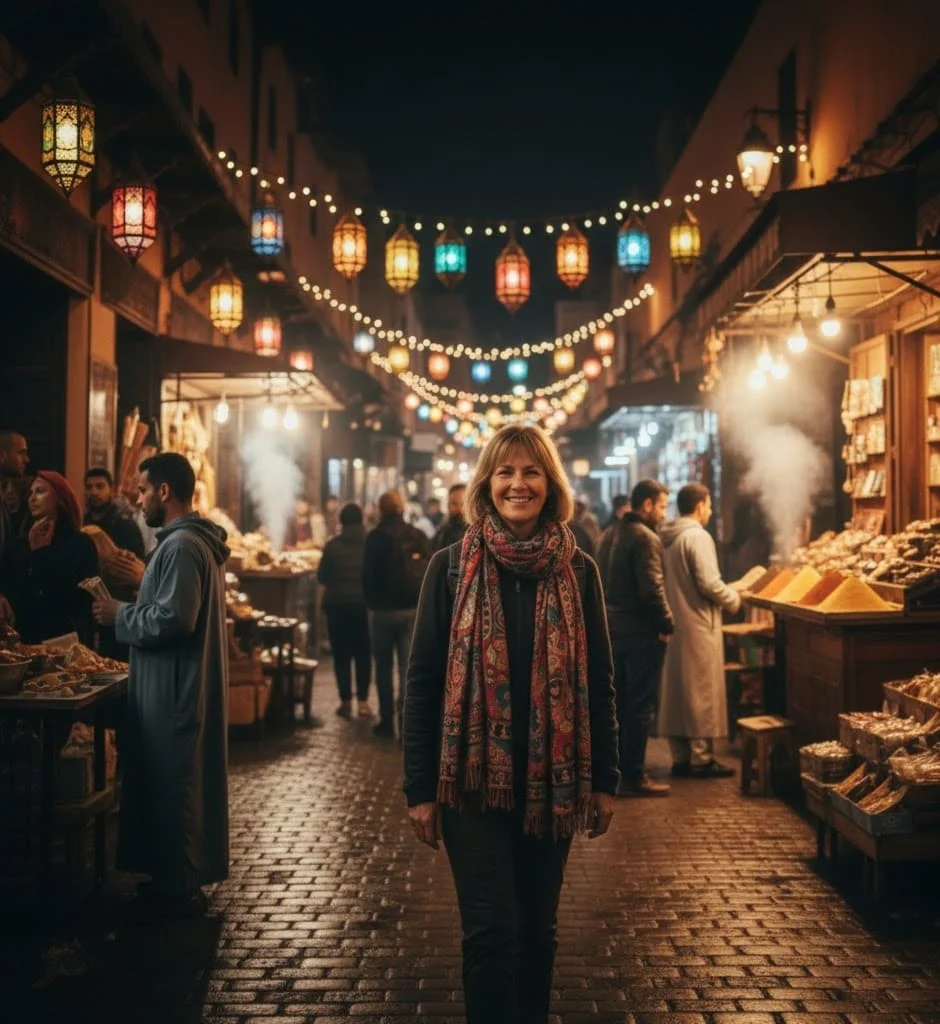
Myth 5: Solo Travel Is Too Expensive
Some trips cost more for one person.
That can happen.
Hotels and tours sometimes charge extra.
This is known as a single supplement.
There are ways to avoid it.
Guesthouses help.
Private rooms help.
Off-season travel helps.
Budget control matters more than traveling alone.
Myth 6: You Must Stay in Hostels
This belief is common.
It is also false.
Solo travelers stay in hotels.
They rent apartments.
They choose guesthouses.
Hostels are an option.
Not a requirement.
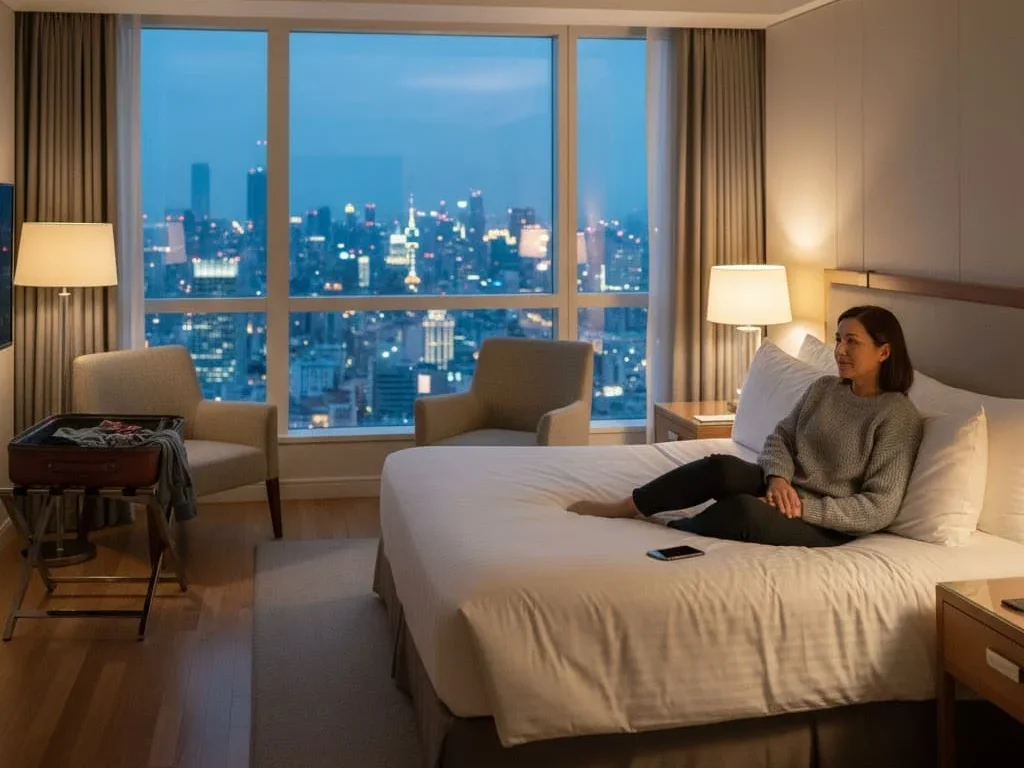
Myth 7: Eating Alone Is Awkward
Eating alone feels strange at first.
Then it feels normal.
Many people eat alone every day.
Most places do not care.
You can enjoy your meal.
Slowdown yourself.
You can relax.
Myth 8: Solo Travel Is Only for Young People
Age does not control travel.
People begin solo travel at many stages.
Some start later in life.
What matters is interest and health.
Not age.
Travel has no age rule.
Final Wording
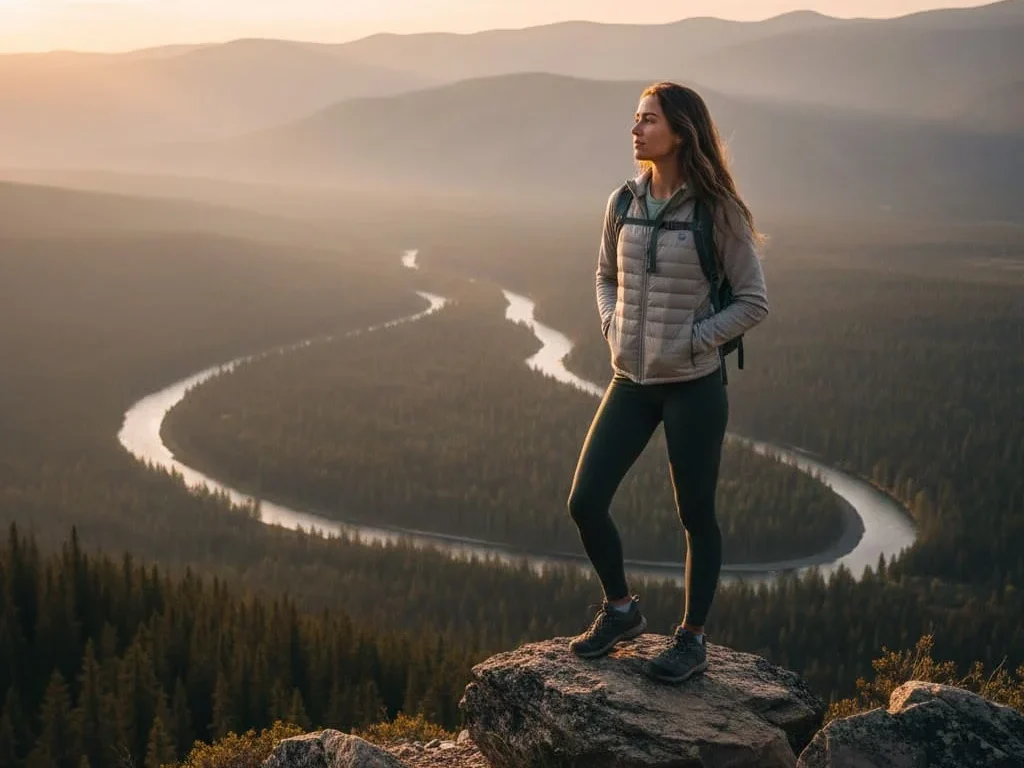
After traveling alone and speaking with many solo travelers, one pattern stands out. Most fears exist before the trip, not during it. Solo travel has challenges, but common solo travel myths rarely match real life. Safety depends on planning. Loneliness depends on choices. Cost depends on how you travel. These are things you can manage.
From experience, solo travel is not about being bold. It is about being prepared and realistic. You decide how social, quiet, simple, or active your trip becomes. If you feel unsure right now, that is normal. It does not mean solo travel is not for you. It often means you are ready to replace fear with facts.
