


Right before booking a trip, many people stop and think. A simple choice suddenly feels heavy. Going alone sounds freeing. Traveling with others feels safer. Both options look good, yet both raise doubts.
This moment is common. It usually comes just before a booking decision. Budget, safety, comfort, and regret all come into play. That is why Solo Travel vs Group Travel is such a popular comparison.
This guide is written to help you choose with clarity, not pressure.
What Traveling Alone Really Means
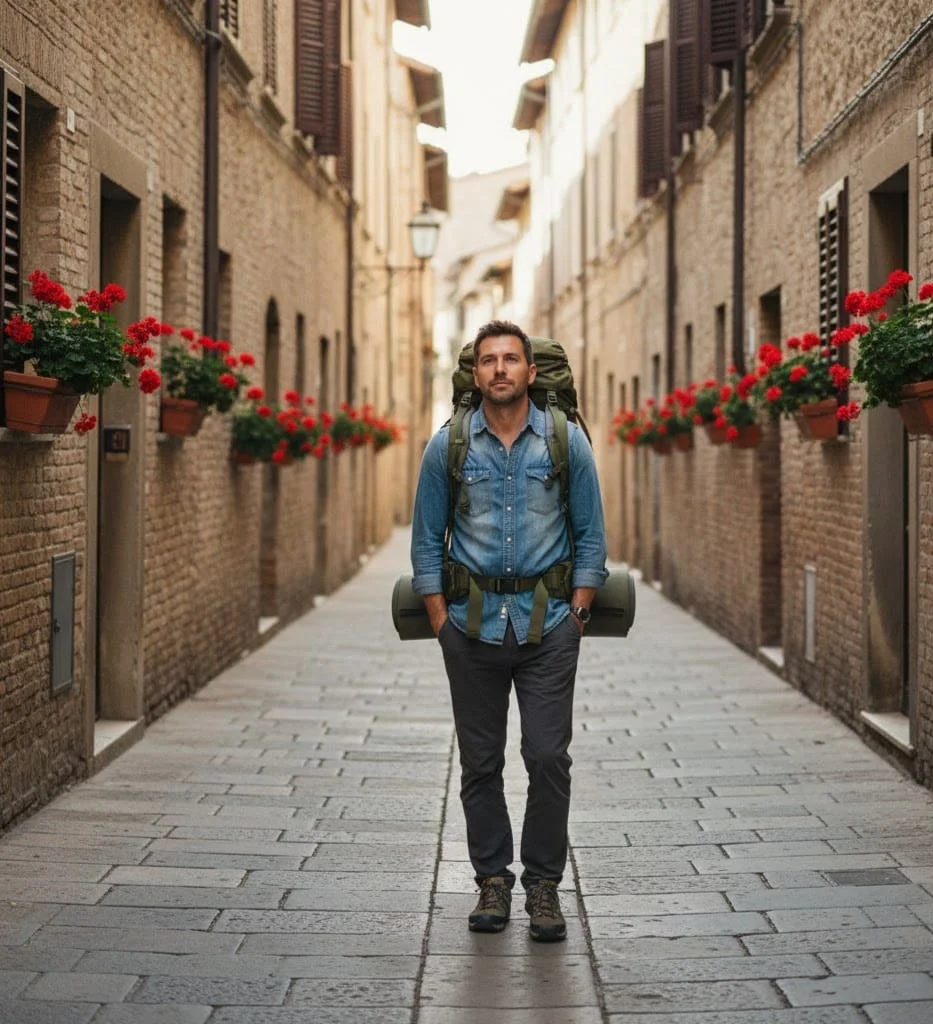
Traveling alone means managing the full trip yourself. Routes, stays, daily plans, and changes all depend on your choices. Because of this, freedom feels high from the start.
At the same time, responsibility increases. When plans change, you adjust. When problems appear, you solve them. Over time, this builds confidence and calm decision-making.
Quiet moments do happen. Some days feel slow or lonely. However, these moments pass with preparation and experience. Many solo travelers learn to enjoy them.
What Traveling With a Group Involves

Group trips follow a shared plan. Transport is arranged. Activities are scheduled. A guide often leads the group.
For beginners, this structure brings comfort. Support is available when things go wrong. Social contact also starts early, which helps people who dislike being alone.
On the other hand, flexibility drops. When the group moves, everyone moves. Personal plans usually wait. Because of this, patience matters in group travel.
Why People Compare These Two Travel Styles
This comparison usually happens close to booking time. People want to avoid mistakes. They ask about safety, cost, comfort, and enjoyment.
Fear of regret is real. Money and time matter. That is why Solo Travel vs Group Travel remains a key decision point for many travelers.
Solo Travel: Pros and Cons
Benefits of Solo Travel
Freedom comes first. Plans change easily. Days stretch or shrink as needed.
Pace stays personal. Rest happens when needed. Exploration lasts longer when interest stays high.
Decision skills improve. Handling small problems builds trust in judgment.
Local contact often increases. Solo travelers tend to talk more with locals, which helps cultural learning.
Drawbacks of Solo Travel
Loneliness can appear at times. Quiet meals may feel strange at first.
Planning takes effort. Every booking matters. Mistakes cost time and energy.
Costs may rise. Hotels sometimes charge extra when only one person uses a room. This extra fee is known as a single supplement, which is common in hotels and tours. You can read a clear definition here:
Group Travel: Pros and Cons
Benefits of Group Travel
Planning stress drops early. Transport, stays, and routes are handled.
Social contact feels easier. Conversations start naturally.
Guides add value. They explain customs and help when issues appear.
Support feels stronger. Problems are shared, not faced alone.
Drawbacks of Group Travel
Flexibility stays limited. Schedules rarely change.
Pace may clash. Some days feel rushed. Others feel slow.
Costs are fixed. Even skipped activities remain part of the price.
Solo Travel vs Group Travel: Quick Comparison

| Factor | Solo Travel | Group Travel |
| Freedom | Very high | Limited |
| Planning | Self-managed | Mostly handled |
| Social setup | Self-created | Built-in |
| Safety feeling | Prep-based | Support-based |
| Pace | Personal | Shared |
| Cost control | Flexible | Fixed |
Seeing Solo Travel vs Group Travel side by side often makes the choice clearer.
Cost Differences That Matter

Money often decides more than travel style. Solo trips save money through public transport and simple stays. However, single-room costs can raise prices.
Group trips bundle costs. Transport and guides are shared. Because of this, pricing feels predictable, though less flexible.
As a result, cost depends more on planning habits than on travel style.
Safety: What Actually Helps
Safety improves with preparation. Research, transport planning, and awareness matter most.
Groups feel safer for many beginners due to numbers and guidance. Meanwhile, solo travel remains safe with smart choices.
Therefore, safety depends more on behavior than on whether someone travels alone or with a group.
Who Each Option Fits Best
Solo travel fits people who enjoy quiet time, adapt quickly, and like control.
Group travel fits people who prefer structure, company, and guidance.
Life stage matters too. Students often start with groups. Experienced travelers mix both styles.
Mixing Both on One Trip
Many travelers combine both styles. A short group tour helps orientation. Solo travel later adds freedom.
Because of this, Solo Travel vs Group Travel does not require a single answer.

Final Thoughts From Experience
After observing many travel choices, one thing stays clear. Regret comes from mismatch, not from the travel style itself.
Solo travel rewards preparation and patience. Group travel rewards flexibility and cooperation. Each works best in the right moment.
A good travel decision feels calm, not forced. When comfort, destination, and timing align, the trip usually succeeds.
FAQs
Is solo travel better than group travel?
Solo travel works better for people who want freedom and control. Group travel works better for those who want structure and support.
Is group travel safer than solo travel?
Group travel often feels safer for beginners. Solo travel can also be safe with good planning and awareness.
Is solo travel lonely?
Loneliness can happen, especially at first. Many solo travelers reduce this by joining activities or staying in shared spaces.
Which option is cheaper?
Solo travel can be cheaper with smart planning. Group travel offers predictable pricing but less flexibility.
Can I do both on one trip?
Yes. Many travelers start with group travel and continue solo, or mix short group activities into solo trips.
