Traveling alone across the US looks fun on social media. Reality feels different. Hotel prices jump fast. Food costs sneak up. Transport mistakes waste money. On my first solo trip, those problems showed up early. Freedom mattered, yet budget pressure stayed in my head. After planning trips, reviewing real costs, and studying how solo travelers move, one pattern became clear. Certain cities remove stress instead of adding it.
This guide focuses on the Cheapest US Cities for Solo Travel based on real planning logic, public access, and solo-friendly design. The cities below help travelers stay independent while keeping daily spending under control.
“Solo travel works best when the city makes things simple.”
Why city choice shapes solo budgets
Solo travelers pay full price for rooms, rides, and meals. Because of that, city structure matters. For example, free attractions replace paid tours. Walkable areas cut transport costs. Public spaces reduce the need for entertainment spending.
As a result, daily budgets stay steady. At the same time, confidence grows. Therefore, picking the right city becomes the smartest first step.
Washington, D.C.
Washington, D.C. offers strong value for solo travelers.
Cheap and free places include:
Smithsonian National Museum of Natural History
Smithsonian National Air and Space Museum
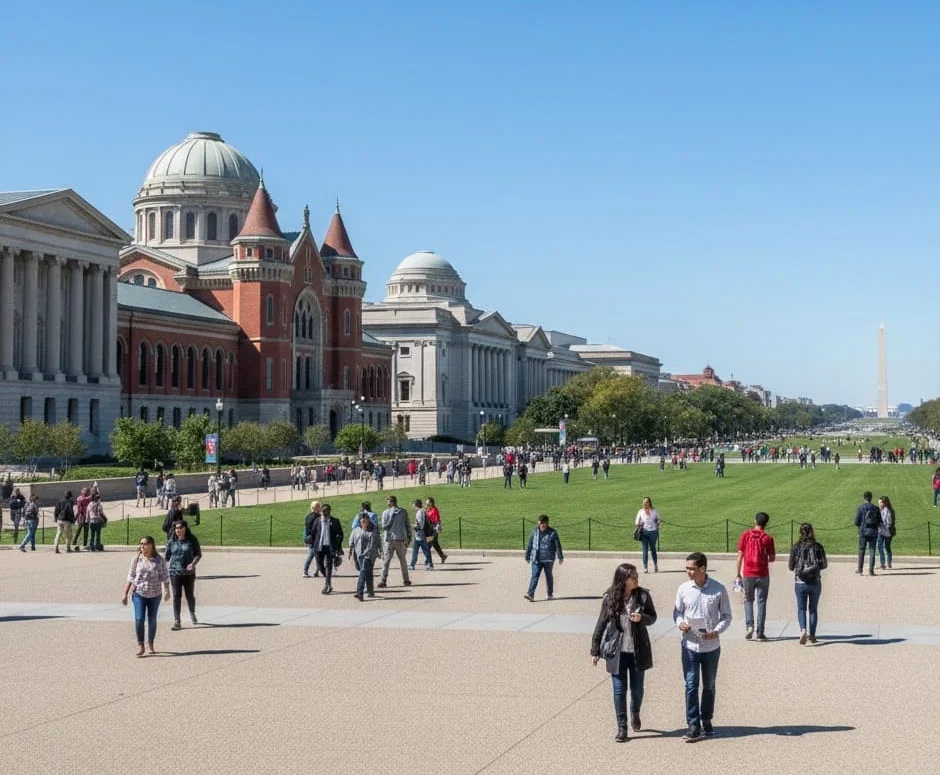
National Mall
Lincoln Memorial
United States Capitol Visitor Center
Because museums cost nothing, full days stay affordable. Meanwhile, public transport works well. In addition, busy daytime areas feel comfortable when exploring alone. Consequently, first-time solo travelers often start here.
Free Smithsonian museums near the National Mall make Washington, D.C. a budget-friendly city for solo travelers.
Philadelphia
Philadelphia combines history with low costs.
Cheap and free places include:
Independence Hall
Liberty Bell Center
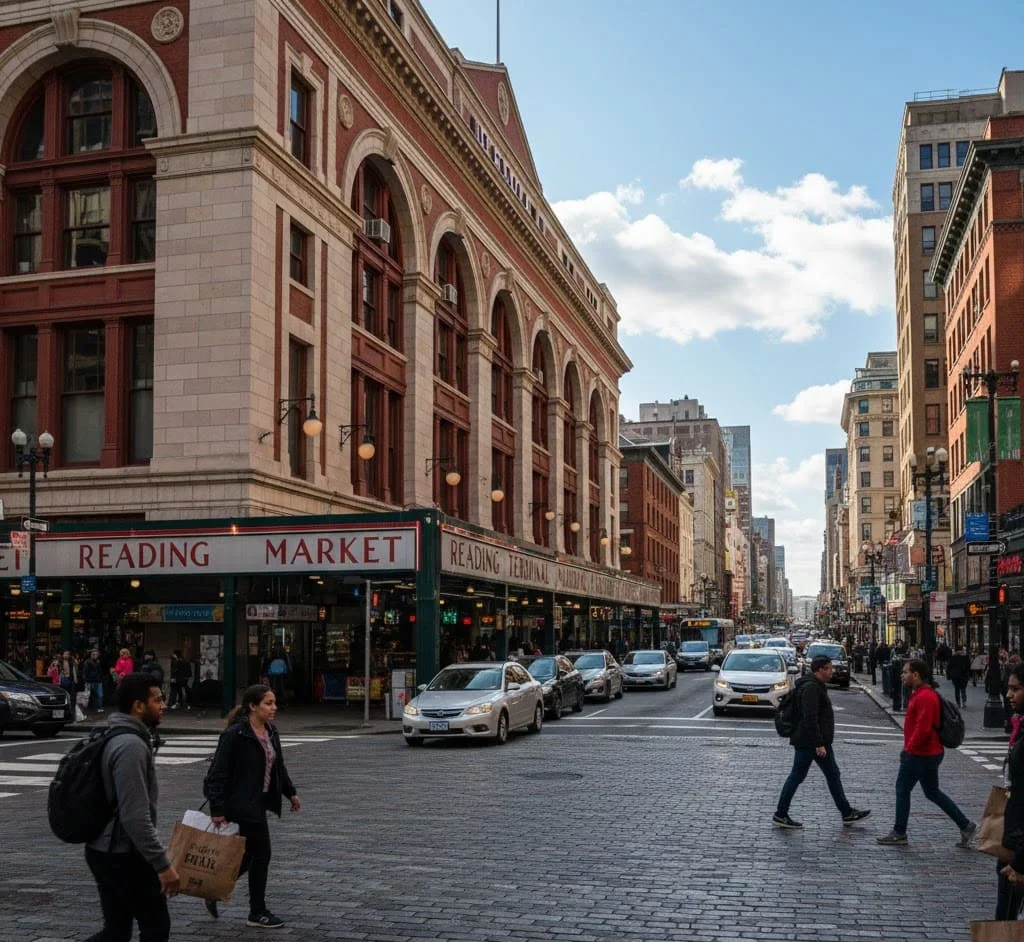
Reading Terminal Market
Old City walking area
Schuylkill River Trail
Since landmarks sit close together, walking replaces taxis. Meanwhile, food stalls keep meals cheap. Compared to larger cities, prices feel manageable. Therefore, students and short solo trips fit well here.
Reading Terminal Market offers affordable food options for solo travelers visiting Philadelphia.
New Orleans
New Orleans delivers culture without heavy spending.
Cheap and free places include:
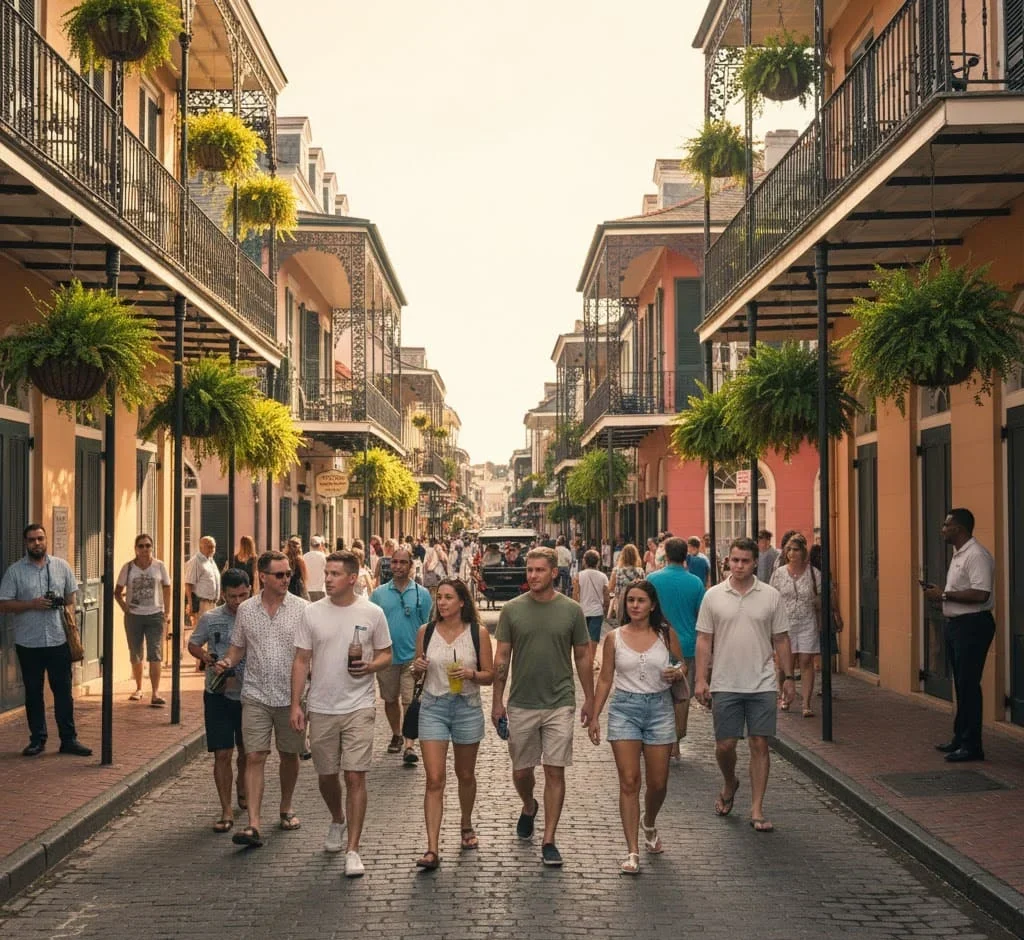
French Quarter streets
Jackson Square
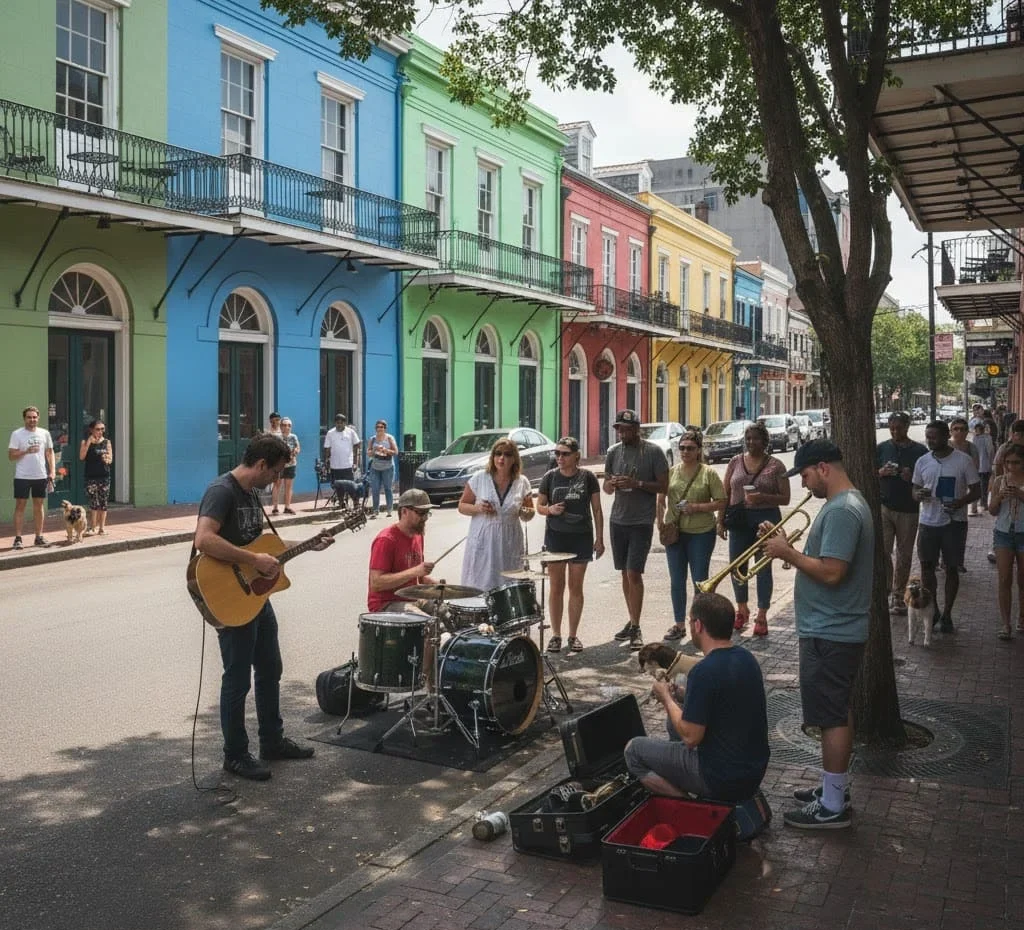
Frenchmen Street outdoor music
City Park
St. Louis Cathedral
Instead of buying tickets, music fills the streets. As a result, entertainment costs drop. At the same time, the city feels alive. Consequently, solo travelers stay engaged without planning tours.
Frenchmen Street is known for free live music and lively street scenes in New Orleans.
Portland
Portland suits calm and budget-focused travel.
Cheap and free places include:
International Rose Test Garden
Washington Park outdoor areas
Food cart pods
Powell’s City of Books
Waterfront Park
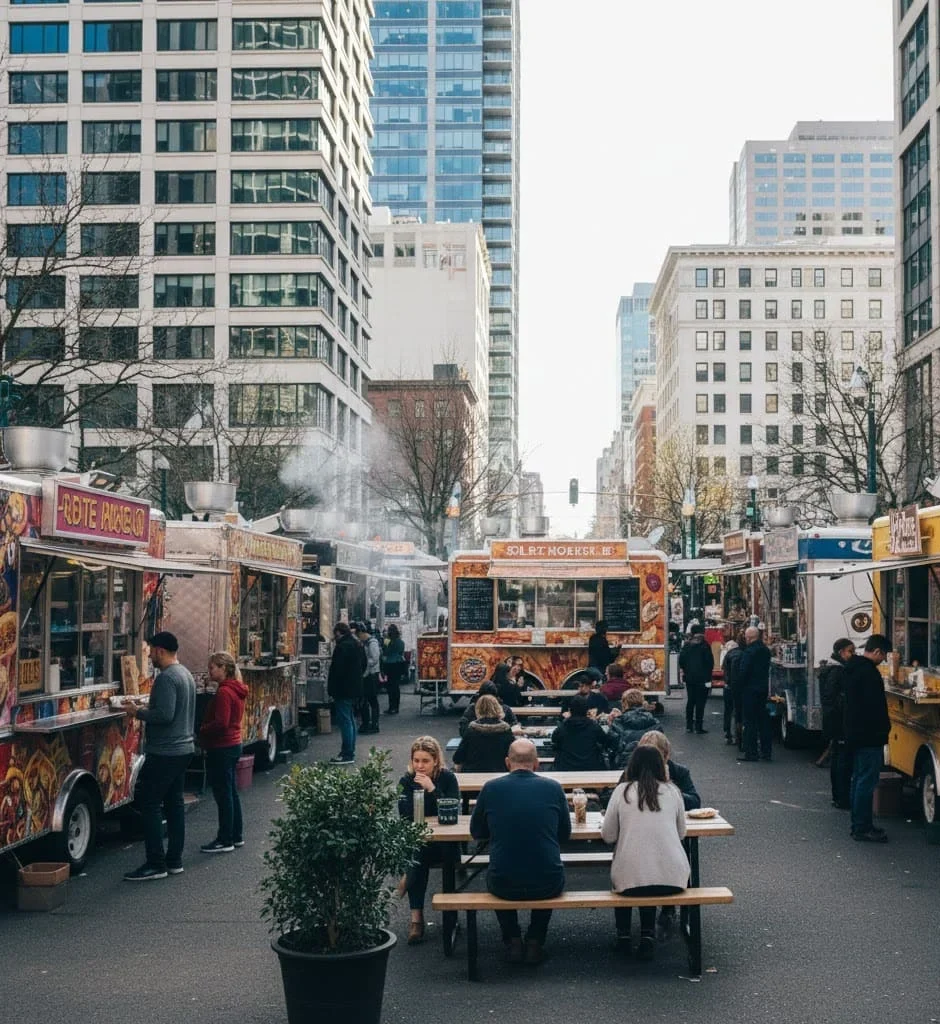
Food carts lower meal costs. Meanwhile, parks offer daily activities. Because walking works well, transport spending stays low. Therefore, longer solo stays feel easier to manage.
Food cart pods in Portland provide cheap meal options for solo travelers.
Savannah
Savannah feels slow and easy to handle alone.
Cheap and free places include:
Forsyth Park
Savannah Historic District
River Street
City squares across downtown
Cathedral of St. John the Baptist
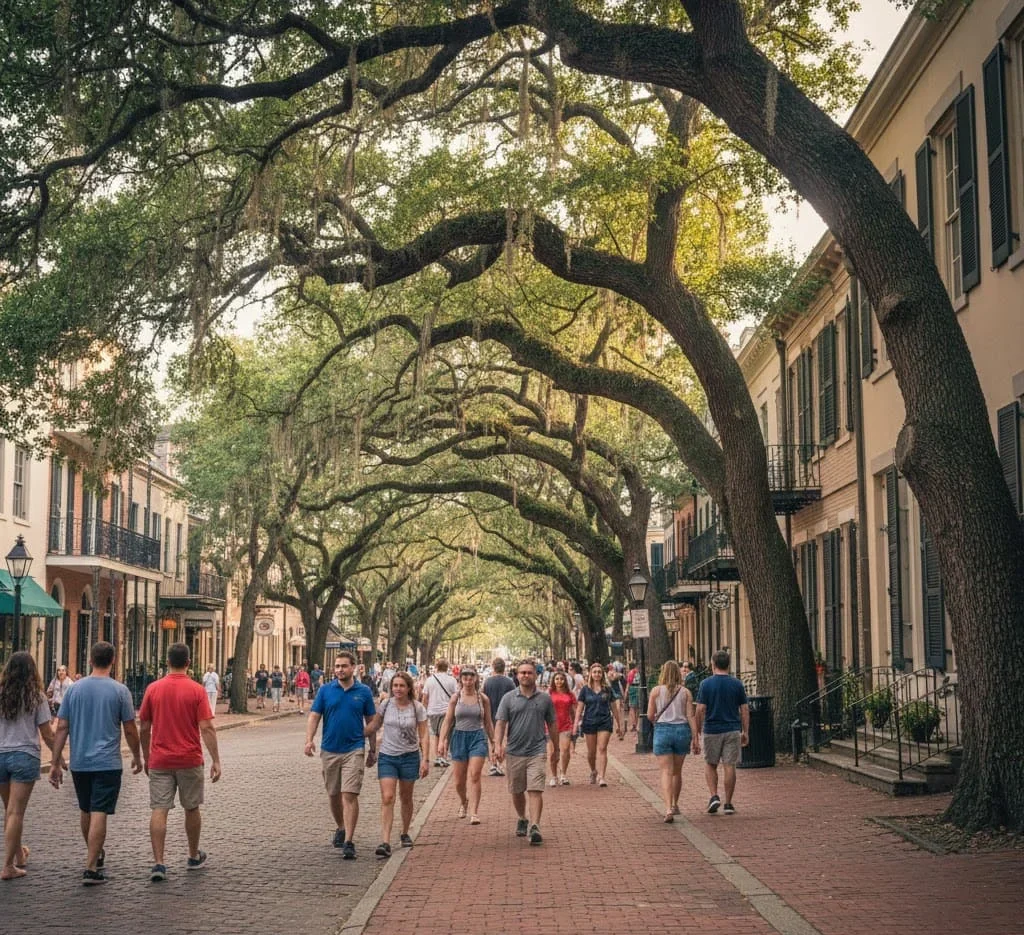
Since the city is compact, transport costs drop. In addition, public spaces stay active during the day. Therefore, many solo women choose Savannah for relaxed trips.
Forsyth Park is a free public space often visited by solo travelers in Savannah.
Austin
Austin blends low costs with social energy.
Cheap and free places include:
South Congress Avenue
Zilker Park
Food truck parks
Free live music events
Barton Springs spillover areas
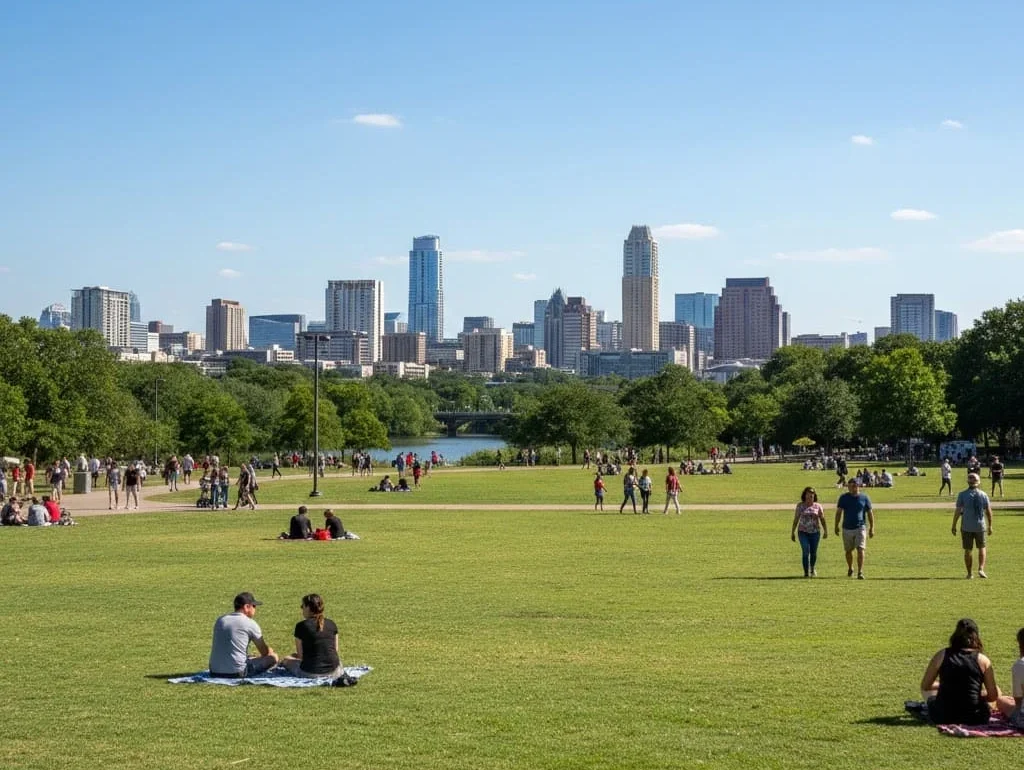
Public events replace paid entertainment. Meanwhile, food trucks control meal spending. Consequently, young solo travelers enjoy Austin without feeling isolated.
Zilker Park offers free outdoor space and city views for solo travelers in Austin.
How these cities control solo costs
Across every example, the same logic appears. Free attractions replace paid ones. Walking replaces rides. Local food replaces tourist dining. According to U.S. Travel Association, walkable urban trips reduce daily travel spending, especially for solo visitors. Supporting data is available on the U.S. Travel Association site:
As a result, planning stays simple. Therefore, stress drops. Most importantly, independence stays intact.
“The right city removes pressure before it appears.”
Conclusion
After researching solo travel patterns, analyzing city layouts, and reviewing real traveler behavior, one lesson stays clear. The Cheapest US Cities for Solo Travel succeed because they reduce friction. Free access, public culture, and easy movement matter more than low prices alone.
From experience, the most rewarding solo trips happen when money fades into the background. Choose cities that support walking, offer open spaces, and keep daily choices simple. That approach builds confidence, comfort, and trips that feel worthwhile long after returning home.
Clara Whitmore is a US-based solo travel writer and founder of Travelist Corner. She shares practical advice on planning, safety, and what traveling alone is really like, helping travelers feel confident on their own trips.