

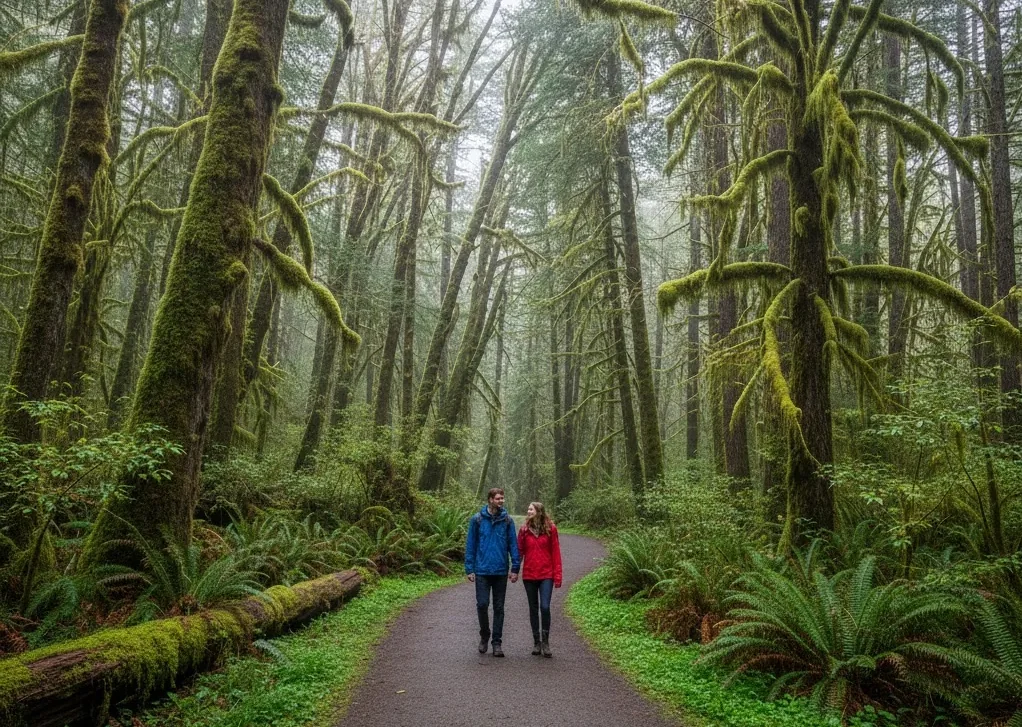
Traveling alone in nature feels exciting, but it also brings real doubts. Safety, planning, and the right location matter more when no one else is with you. Because of this, many people pause before taking their first solo trip.
That pause is normal. It does not have to stop you. This guide on National Parks for Solo Travelers explains which parks are easier to visit alone, why they work well, and how to plan with calm confidence.
How This Guide Was Prepared
This article is based on official park information, public safety guidance, and common concerns shared by solo travelers. Each park was reviewed for trail clarity, visitor access, ranger presence, and nearby services. As a result, the advice stays practical and realistic.
How Many National Parks Are There in the USA?
There are 63 national parks in the United States.
While that number sounds exciting, not every park fits solo travel. Some places are very remote. Others have extreme weather or limited services. Because of this, careful choice matters.
Below are nine parks that offer structure, support, and easier planning for solo trips.
Best Parks for Solo Travel in the USA
Acadia National Park
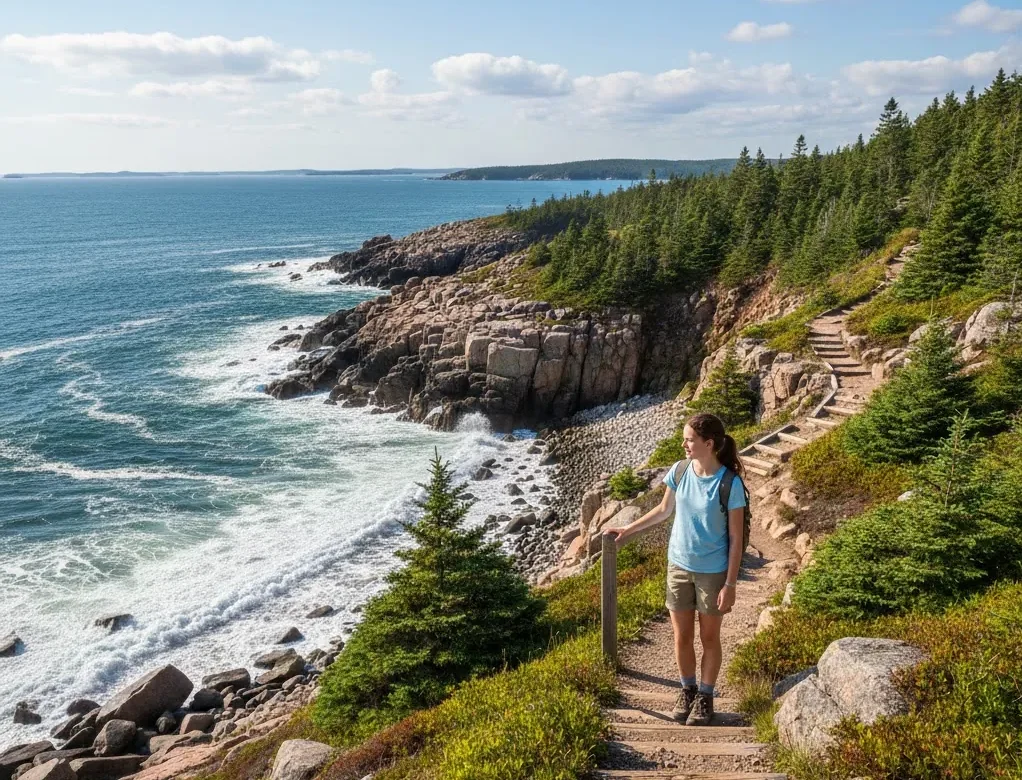
Acadia is compact and simple to plan. Trails are well marked, and many start close to roads. A free seasonal shuttle helps solo visitors move around without stress. The nearby town of Bar Harbor offers food, lodging, and public transport.
This park suits first-time solo travelers and short trips.
Yosemite National Park
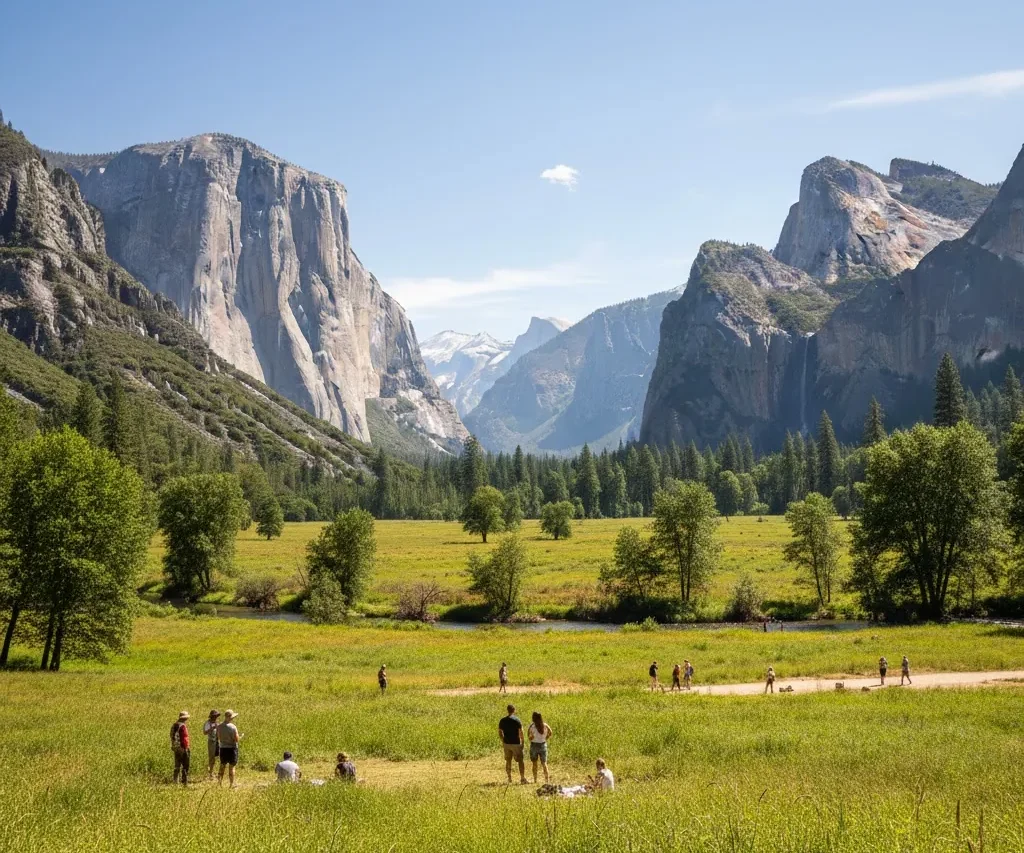
Yosemite Valley stays busy for most of the year. Because of this, solo exploration feels less isolated. Free shuttles connect major trailheads and viewpoints. Ranger stations are easy to find.
This location works well for day hikes and photography.
Zion National Park
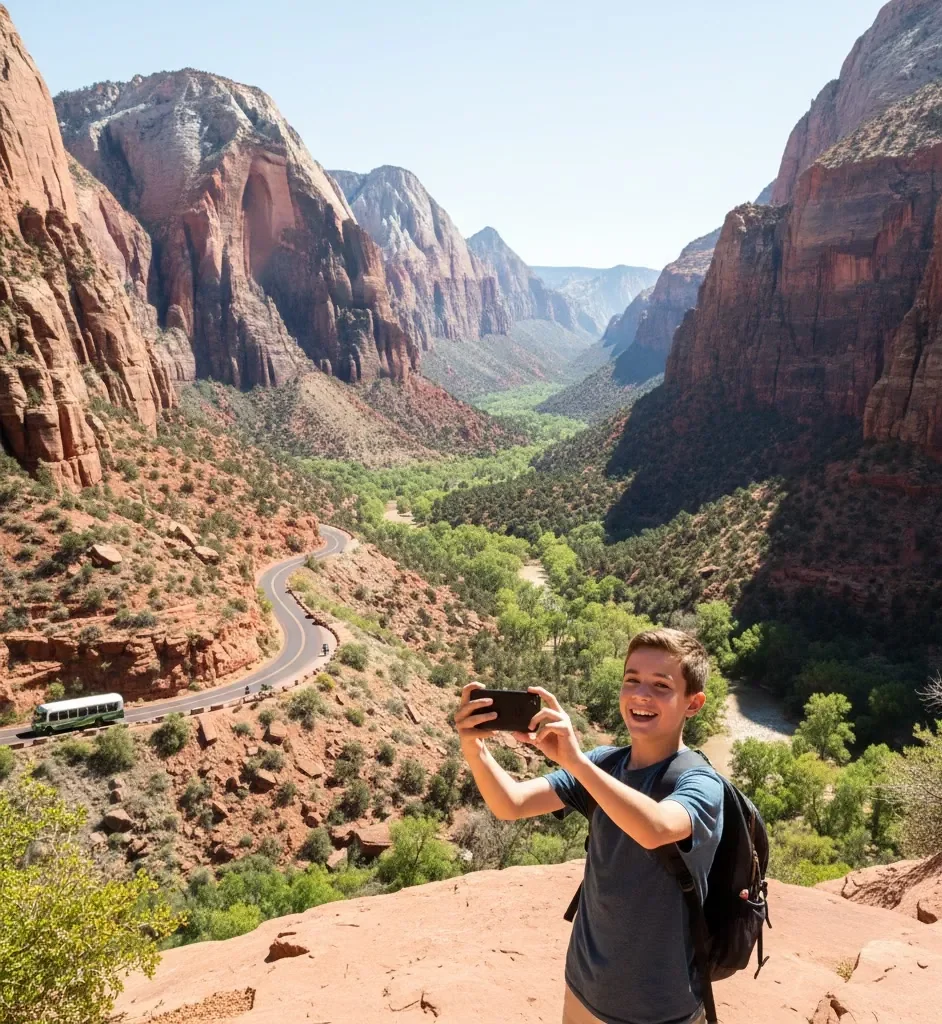
Zion uses a shuttle system that limits traffic and keeps movement simple. Trails are clearly signed, and popular routes often have many hikers. This creates a shared trail experience.
This park fits active solo travelers who want support nearby.
Grand Canyon National Park
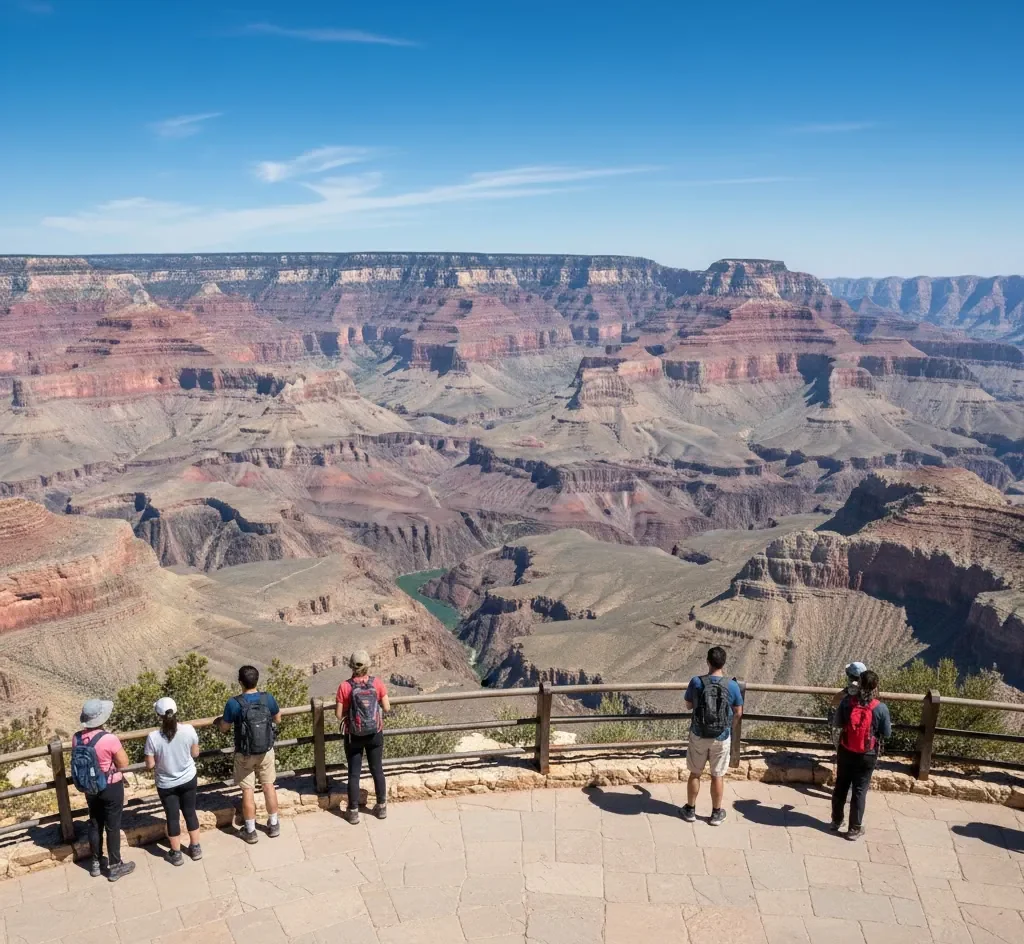
The South Rim stays open all year and offers paved paths, viewpoints, and visitor centers close together. Orientation feels easy for solo visitors. Inner canyon hikes need more planning and experience.
This area suits sightseeing and relaxed walks.
Rocky Mountain National Park
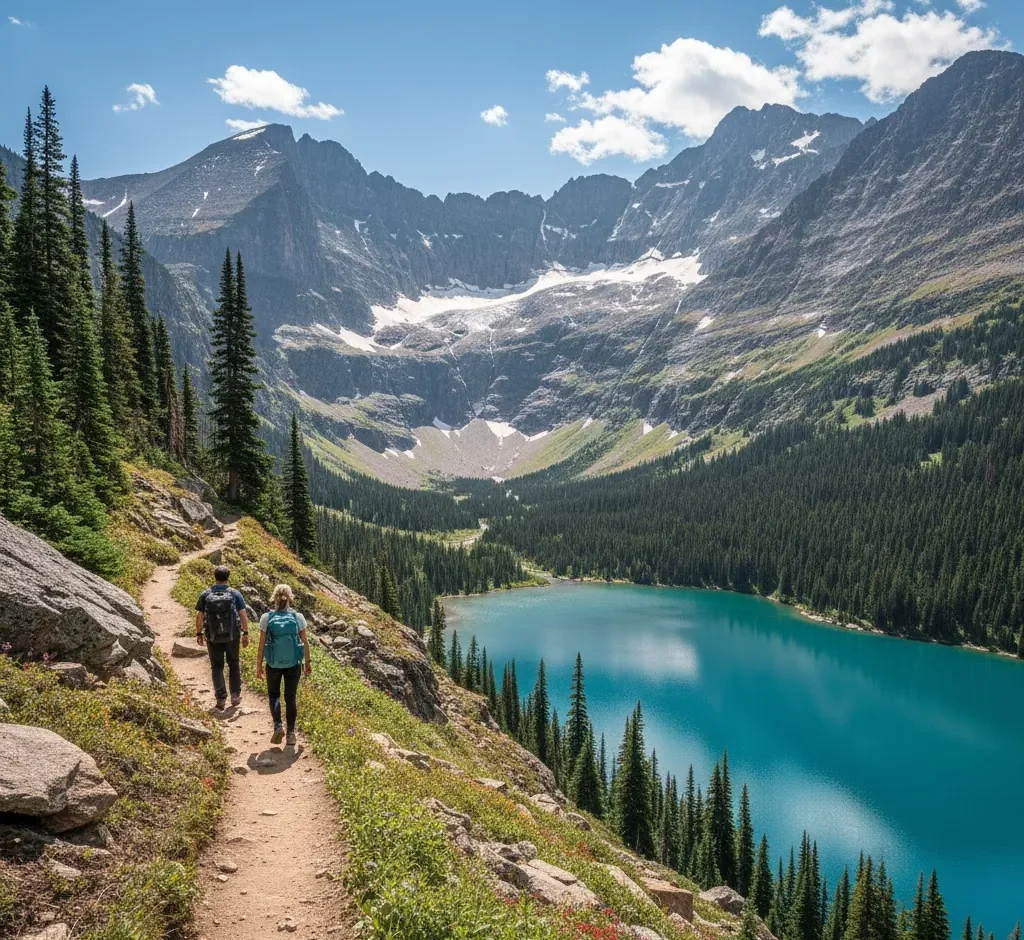
Rocky Mountain has many signed trails and frequent ranger presence. Nearby towns such as Estes Park provide lodging and supplies. Weather can change quickly, so short hikes are a safer choice.
This park fits travelers with basic hiking experience.
Olympic National Park
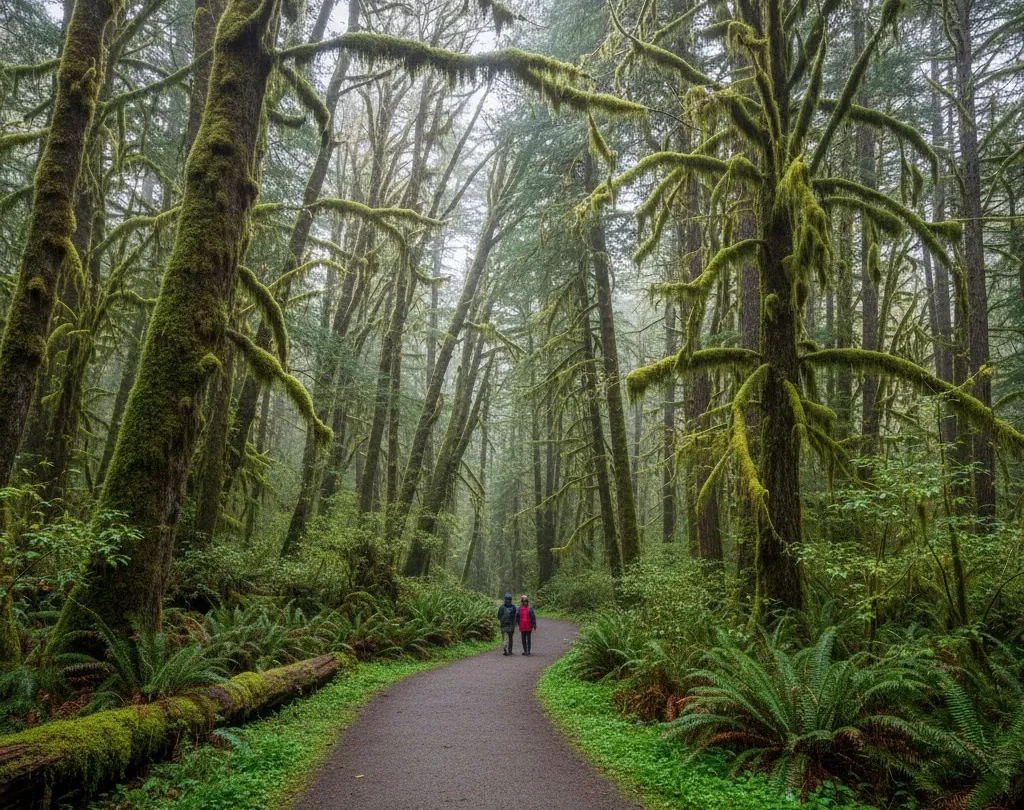
Olympic offers forests, beaches, and mountain views in one park. Road access connects many areas, which reduces isolation. Some zones feel quiet, but services are spread across the region.
This option works for travelers who enjoy variety and cooler weather.
Joshua Tree National Park
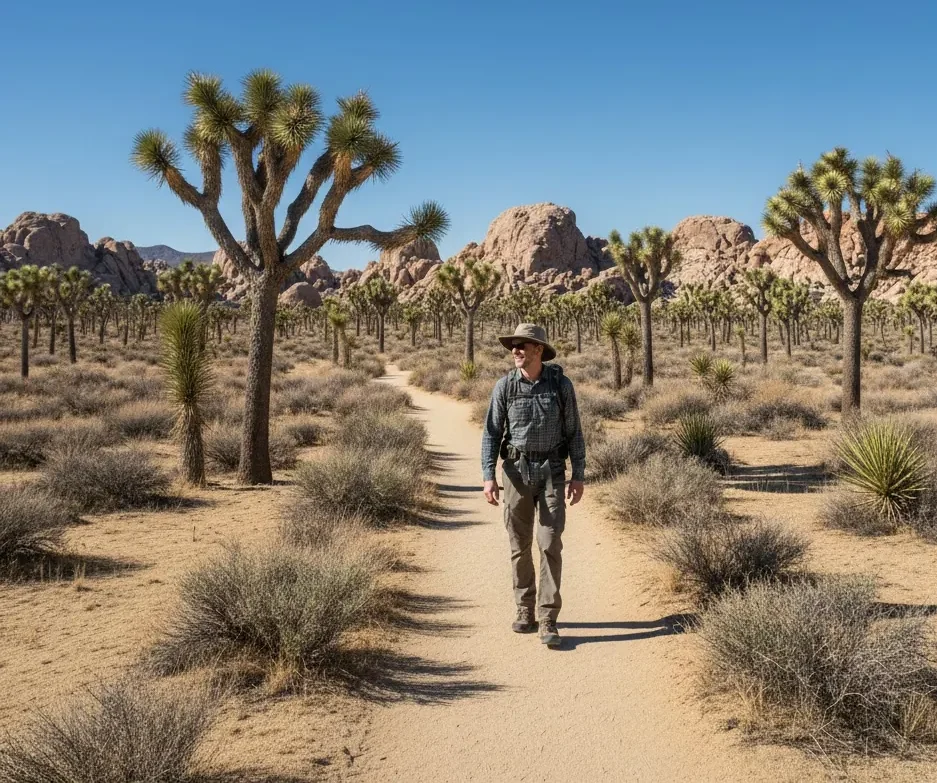
Joshua Tree has open landscapes and short trails. Navigation feels simple, and many spots stay close to roads. Cooler months are best due to heat.
This park suits relaxed exploration and brief hikes.
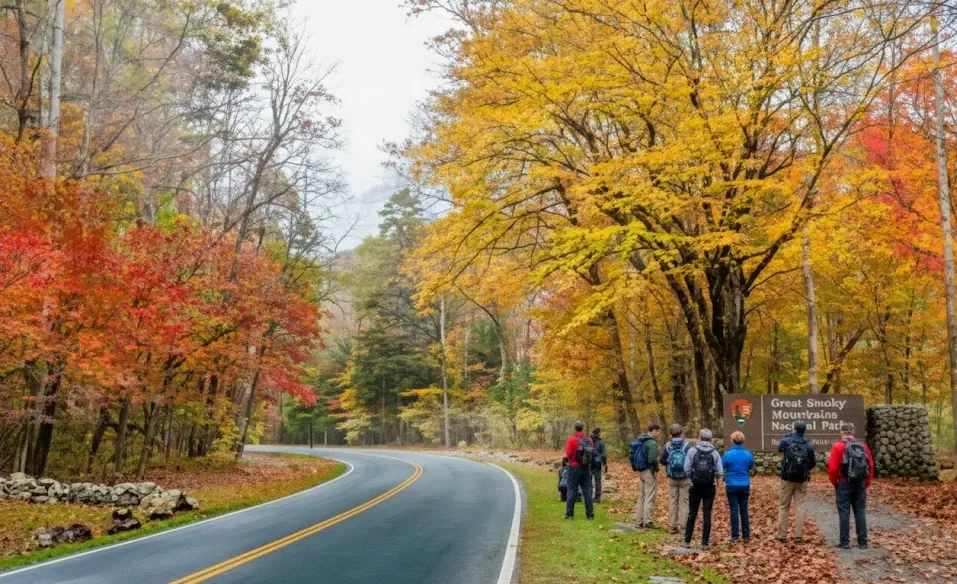
Great Smoky Mountains National Park
This park is one of the most visited in the country. High visitor numbers mean help is often nearby. Entry is free, and many trails suit beginners.
This is a strong choice for budget travel and first solo trips.
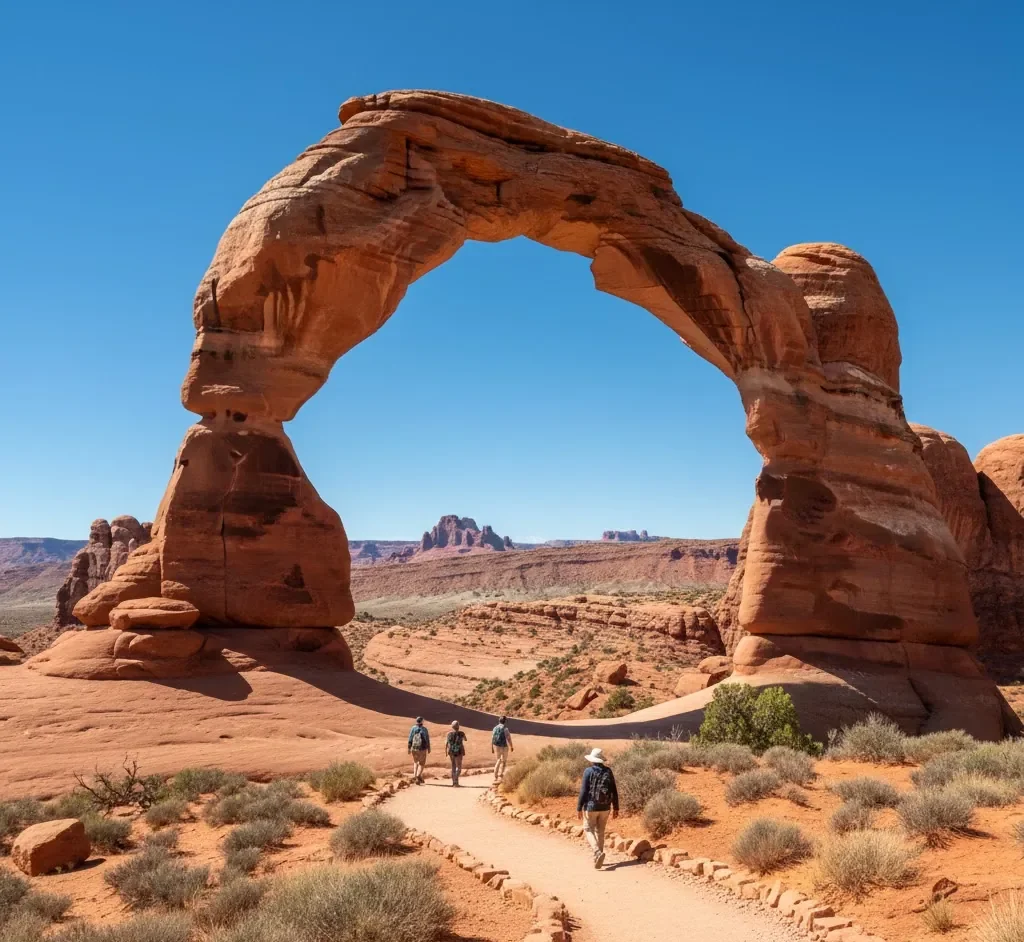
Arches National Park
Arches features short trails leading to clear viewpoints. Most walks are brief and well defined. Timed entry rules may apply during busy months.
This park works well for short solo visits.
Comparison Table for Solo Travelers
| National Park | Best For | Solo Safety Level | Shuttle / Easy Access | Good for First-Time Solo |
|---|---|---|---|---|
| Acadia | Easy hikes | High | Yes | Yes |
| Yosemite | Day hikes | High | Yes | Yes |
| Zion | Active hikes | Medium–High | Yes | Yes |
Safety, Permits, and Planning
Solo travel can be safe, but planning matters. Staying on marked trails, hiking during daylight, and checking weather alerts reduce risk.
For the most accurate and current rules on permits, closures, and safety alerts, always check the official U.S. National Park Service website before planning your trip.
Cell Service and Navigation
Cell signal is limited in many parks. Offline maps help a lot. Saving park phone numbers adds another safety layer. Paper maps still matter if batteries fail.
Where Solo Travelers Usually Stay
Most solo travelers choose developed campgrounds, lodges, or nearby towns. This keeps help close. Hostels near popular parks also work well. Backcountry stays fit experienced visitors only.
FAQs
Yes. Many parks are safe when planning is done properly.
Acadia, Yosemite Valley, and the Grand Canyon South Rim work well.
Permit rules apply to everyone. Some overnight hikes require them.
Yes. Acadia, Zion, and Yosemite offer shuttle systems.
Final Thoughts
After years of reviewing trip plans and park guides, one pattern stands out. Good preparation leads to calm trips. Poor planning creates stress instead.
Solo travel builds confidence over time. Start with structured places. Then expand slowly. With the right choices, National Parks for Solo Travelers become places of freedom, not fear.
