

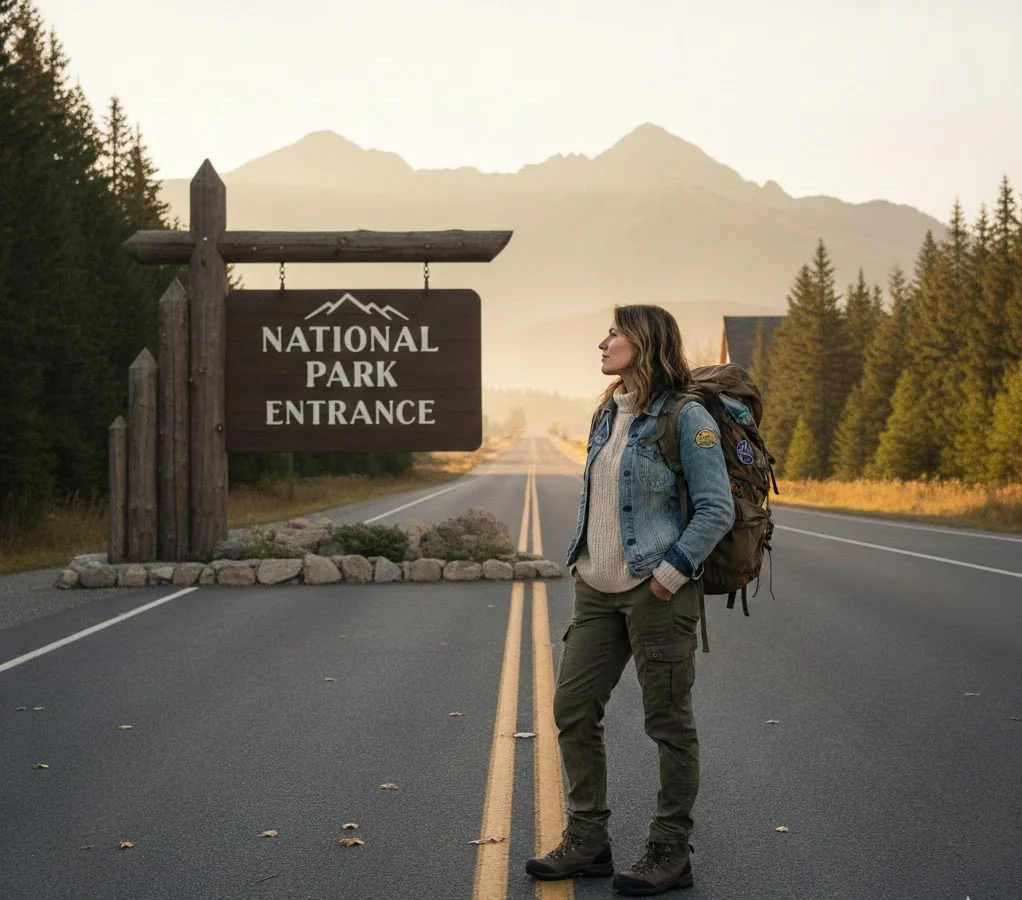
Nature trips can be peaceful, grounding, and deeply personal. At the same time, traveling alone into natural spaces raises fair questions about safety, planning, and comfort. Because of that, Nature Trips for Solo Travelers need structure, clarity, and honest guidance rather than vague inspiration.
This guide focuses only on the United States and explains how to plan solo nature travel in a calm, realistic way. Instead of rushing into extreme adventures, the goal here is confidence, balance, and smart choices.
Who this guide is meant for
This guide suits people who want time outdoors without pressure. It works well for beginners, solo female travelers, and anyone planning a short or extended break in nature. In particular, Nature Trips for Solo Travelers are ideal for those who prefer daylight hikes, clear trails, and nearby towns.
At the same time, experienced travelers can also use this guide to refine planning and timing.
Why solo nature travel works well in the US
The United States offers strong infrastructure for outdoor travel. For example, national parks have marked trails, visitor centers, rangers, and clear rules. As a result, solo travel feels more manageable.
In addition, many parks support day hikes and short visits. Therefore, travelers do not need advanced skills to enjoy forests, mountains, or deserts alone. Most importantly, Nature Trips for Solo Travelers allow full control over pace, rest, and daily plans.
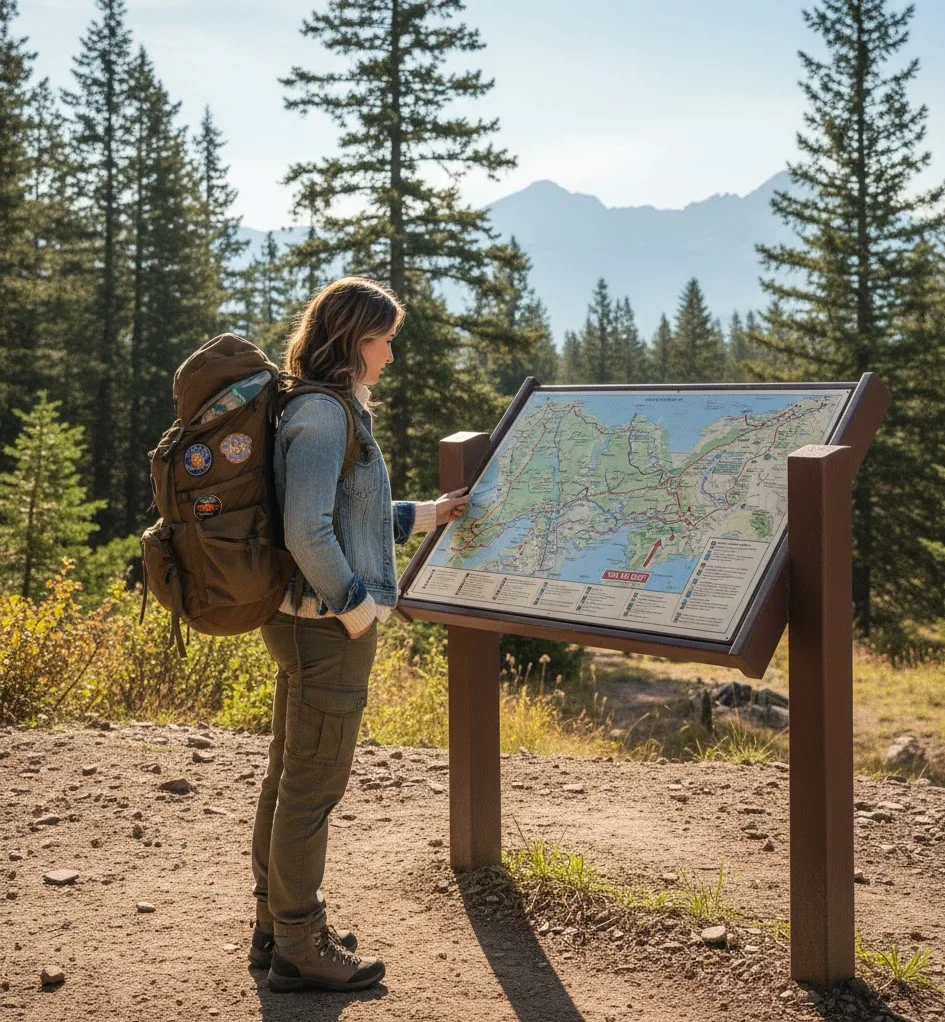
Choosing the right trip level
Before picking a destination, trip difficulty matters.
Easy trips work best for first-timers. These include short hikes, scenic viewpoints, boardwalks, and lakes near towns. Because help is nearby, stress stays low.
Moderate trips involve longer hikes and basic camping. In this case, planning becomes more important. Still, popular trails offer safety through visibility.
Advanced trips include backcountry routes and multi-day hikes. However, beginners should delay these until confidence grows.
As a rule, starting easy builds trust in your own judgment.
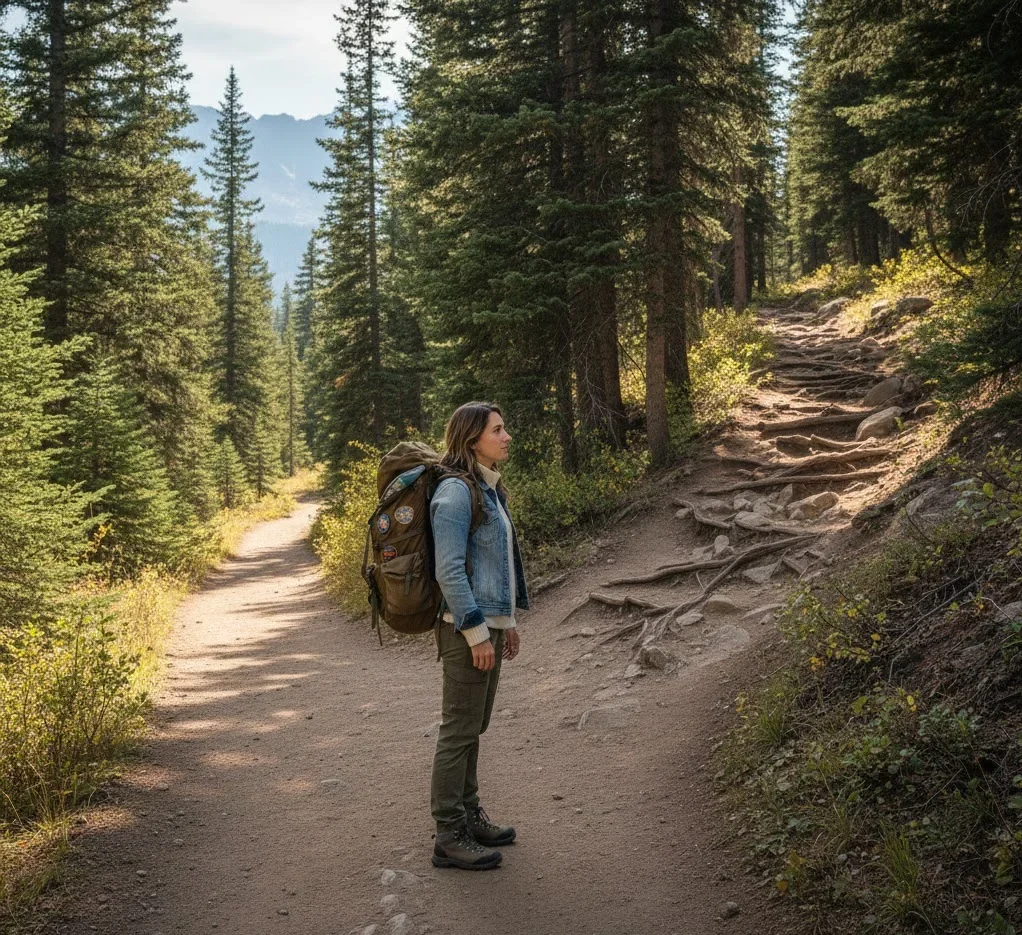
Best regions for solo nature travel
Different regions support different styles of travel. Therefore, matching region to comfort level improves the experience.
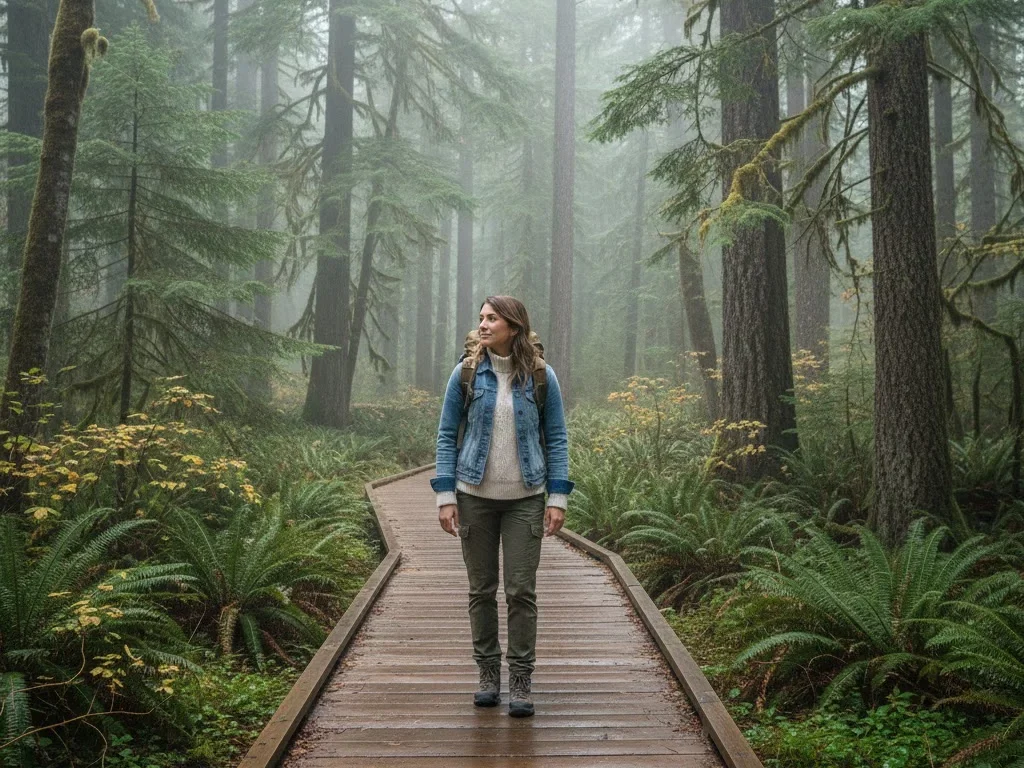
Pacific Northwest
This area offers forests, waterfalls, and cooler weather. Trails are clear and widely used. Consequently, it suits calm, reflective trips.
Southwest
Deserts and red rock landscapes dominate this region. Since heat can be intense, cooler months work best. Early starts are key.
Rocky Mountains
Mountains provide dramatic views and wildlife. However, weather shifts quickly. For that reason, staying on popular routes matters.
Southeast
Forests and rivers define this region. Terrain is gentle, though humidity can be high. Spring and fall feel best.
Northeast
Coastlines and fall colors attract many travelers. Because towns sit close to parks, comfort stays high.
Overall, Nature Trips for Solo Travelers benefit most from regions that balance beauty with access.
Quick planning table
| Region | Best For | Ideal Trip Length | Best Months | Difficulty | Solo Travel Notes |
|---|---|---|---|---|---|
| Pacific Northwest | Forests, waterfalls | 2–5 days | June–September | Easy–Moderate | Clear trails, cooler climate |
| Southwest | Deserts, red rock | 3–7 days | October–April | Easy–Moderate | Start early, carry extra water |
| Rocky Mountains | Mountains, lakes | 4–7 days | July–September | Moderate | Weather changes fast |
| Southeast | Forests, rivers | 2–4 days | March–May, October | Easy | Humidity awareness helps |
| Northeast | Fall colors, coast | 2–5 days | May–October | Easy–Moderate | Towns close to parks |
Sample trip lengths
A weekend trip works well for beginners. Arrival, one main hike, and one scenic stop are enough.
A 4–5 day trip allows rest days. Therefore, energy stays steady.
An extended stay suits remote workers or slow travelers. In that case, choosing one base location reduces fatigue.
In all cases, Nature Trips for Solo Travelers work best with flexible plans.
Safety basics that matter
Preparation improves safety more than gear.
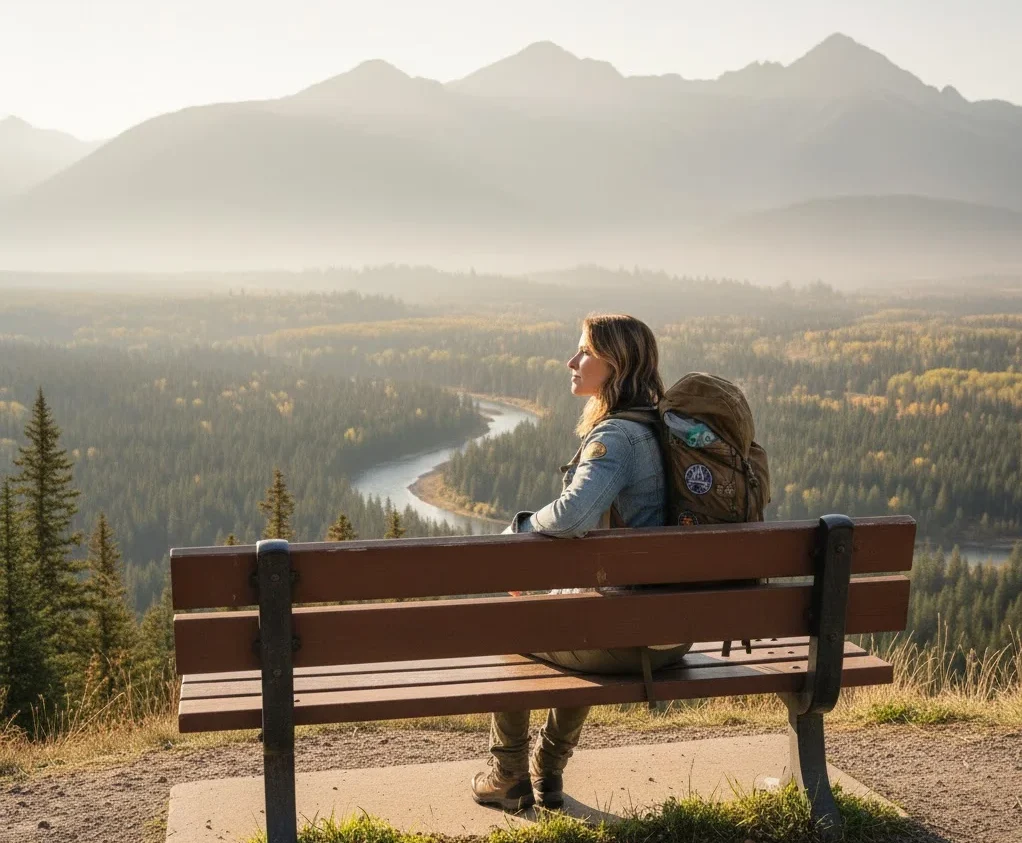
Before leaving, share your plan with someone. Next, check trail conditions and sunset times. During hikes, stay on marked routes and avoid rushing. Meanwhile, wildlife awareness helps reduce risk.
For official, up-to-date guidance on trail safety, weather risks, and emergency planning, refer to the National Park Service hiking safety guide:
When phone signal drops, offline maps and simple navigation tools help. Above all, intuition matters. If something feels wrong, turning back is a smart choice.
Permits and reservations
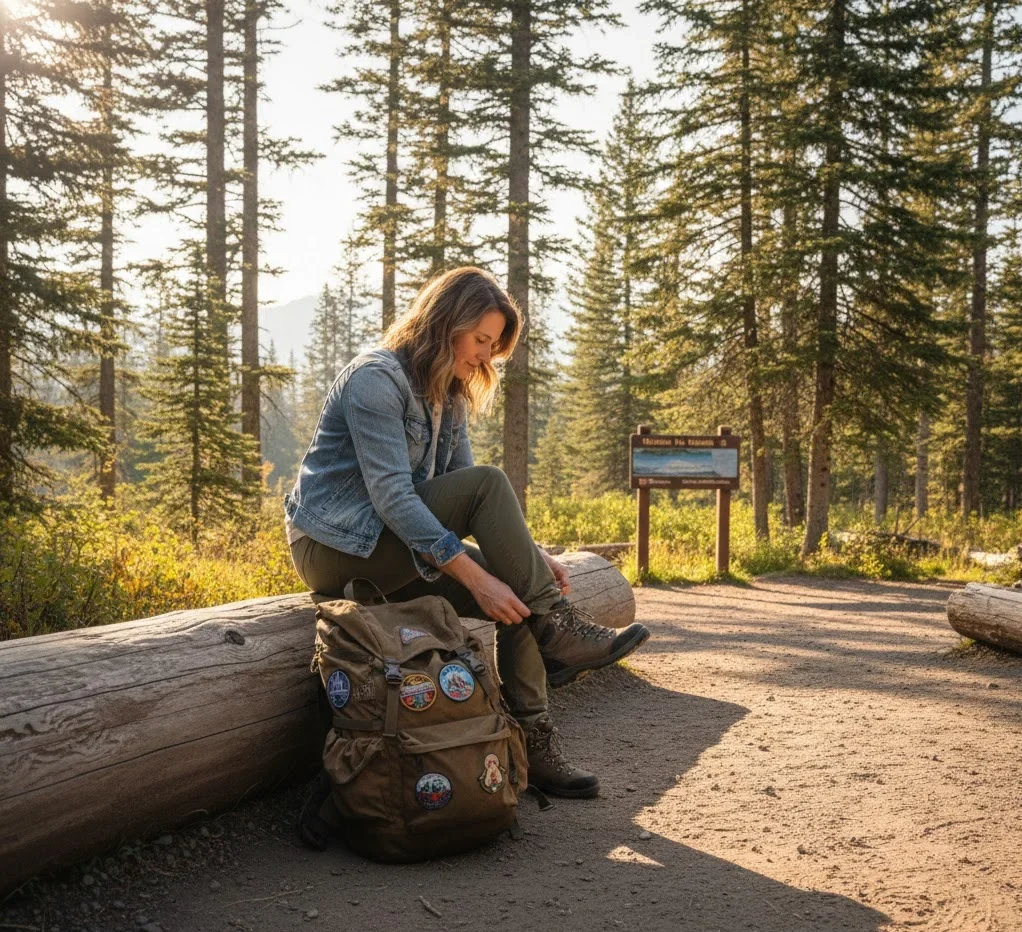
Some parks require permits for camping or parking. Others use timed entry systems or shuttle reservations. Because rules change often, checking the official park website before booking is essential.
Skipping this step causes stress. Therefore, planning ahead saves time and energy.
Weather and timing risks
Weather affects safety.
In deserts, heat becomes dangerous by midday. In mountains, storms often build in the afternoon. In canyons, flash floods follow heavy rain. Because of this, early starts and seasonal planning matter.
Choosing the right month improves both safety and enjoyment.
Leave No Trace basics
Respecting nature protects future travelers.
- Plan ahead
- Stay on trails
- Carry out all trash
- Respect wildlife
- Keep noise low
Short steps like these support responsible Nature Trips for Solo Travelers.
Packing essentials
Pack for function, not weight.
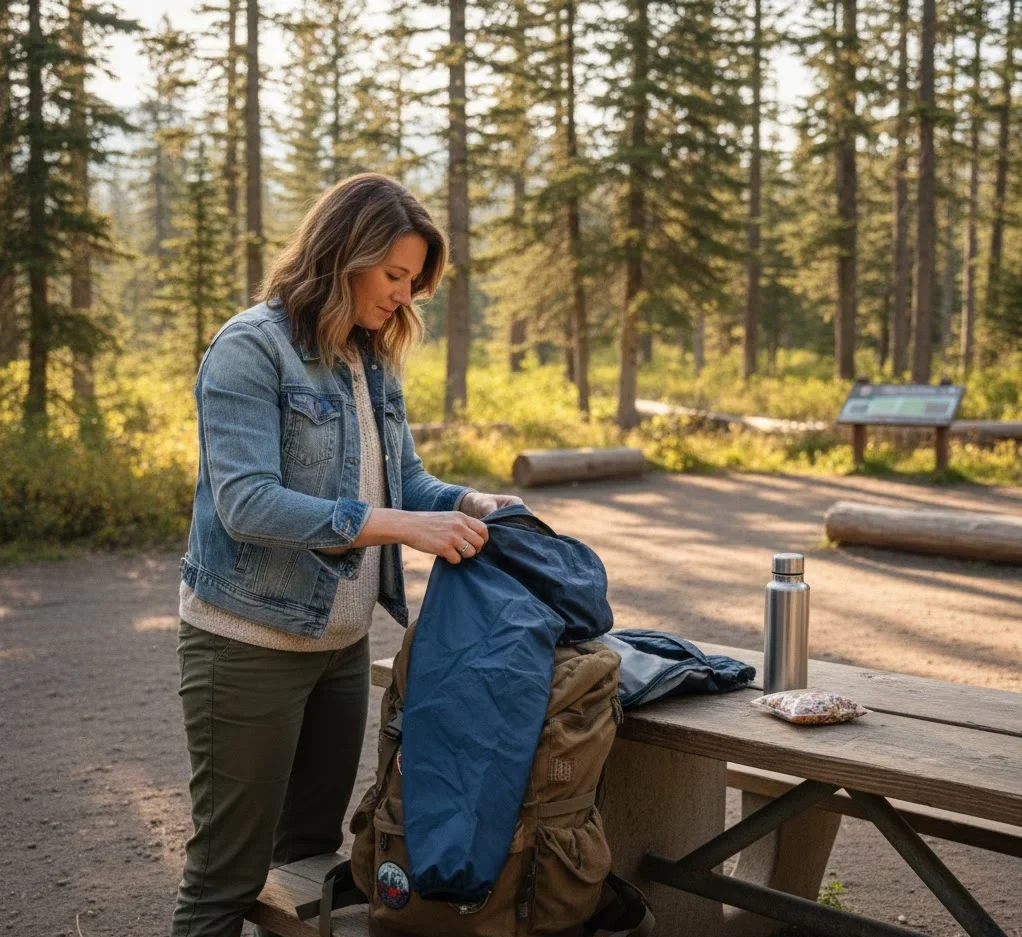
Essentials include water, snacks, layers, and comfortable shoes. Safety items include a headlamp, first aid kit, and power bank. Extras like a journal or book add comfort.
Lighter packs reduce strain and improve focus.
Frequently asked questions
Yes, especially on popular trails with preparation.
Many women travel alone safely by choosing busy parks and daytime activities.
Permit rules apply to everyone equally.
Offline maps and shared plans reduce risk
Two to four days works well.
Final thoughts
Solo travel in nature does not require extremes. Instead, calm planning, honest limits, and smart timing create better experiences. Over time, confidence grows naturally.
With the right approach, Nature Trips for Solo Travelers become peaceful, safe, and deeply rewarding.
