


After a busy work week, a short solo trip once felt like the perfect escape. Flights were booked fast. Plans were packed tight. Excitement stayed high. However, by Monday morning, the body felt tired and the mind felt rushed. A few months later, a longer solo journey changed that feeling. Days slowed down. Stress faded. Still, planning took effort and savings needed discipline. That contrast revealed a simple truth. The debate around Long Solo Trips vs Short Trips is not about trends. It is about real life limits.
Many solo travelers face this same struggle. Time feels short. Money feels tight. Energy runs low. Because of this, trip length matters more than the destination. At TravelistCorner.com, guidance comes from personal travel experience, careful research, and real traveler patterns observed over time.
What Is a Short Solo Trip?
A short solo trip usually lasts two to seven days. Sometimes, it stretches to ten days. These trips often fit around weekends or public holidays. As a result, planning stays simple and packing stays light.
For example, a city break allows quick sightseeing and fast food choices. Also, excitement stays high because everything moves quickly. However, limited time creates pressure. Schedules feel tight. Rest feels rushed. In contrast, adjustment time stays short.

What Is a Long Solo Trip?
A long solo trip starts at two weeks and may last several months. These journeys move at a slower pace. Instead of ticking boxes, daily life forms naturally. Cafés feel familiar. Streets become known.
At first, excitement dominates. Later, routine builds. Meanwhile, cultural awareness grows. Because of this, many travelers report calmer moods and clearer memories. Still, long trips need preparation, patience, and financial planning.

Long Solo Trips vs Short Trips: Quick Comparison
| Factor | Short Solo Trips | Long Solo Trips |
|---|---|---|
| Trip Length | 2 to 7 days | 2 weeks to several months |
| Planning Level | Quick and simple | Detailed and structured |
| Total Cost | Lower upfront spending | Higher upfront spending |
| Daily Cost | Often higher per day | Often lower per day |
| Travel Pace | Fast and packed | Slow and relaxed |
| Energy After Trip | Can feel tiring | Often feels refreshing |
| Best Fit For | Busy schedules and beginners | Flexible work and slow travelers |
Work Schedule and Time Limits
For full-time workers, vacation days are limited. Usually, ten to twenty days per year shape travel plans. Short trips fit easily into busy schedules. As a result, they work well for quick mental breaks.
On the other hand, one longer trip of ten to fourteen days allows deeper rest. Jet lag fades. Focus returns. Consequently, returning to work feels easier. Because of this balance, many travelers mix both styles.
First-Time Solo Travelers
At first, traveling alone can feel uncomfortable. Silence feels loud. Decisions feel heavy. Short trips offer a safe starting point. Confidence grows step by step.
For instance, a three-day solo trip teaches planning basics. After that, a two-week journey feels manageable. Otherwise, jumping straight into long travel may cause stress. In fact, gradual exposure builds confidence faster.
Remote Work and Flexible Lifestyles
Remote workers face a different situation. Internet access replaces office walls. Because of this, long stays often work better. Monthly rentals lower costs. Daily routines form.
Meanwhile, frequent short trips disrupt work flow. Packing repeats. Sleep suffers. Therefore, slower travel supports balance. In addition, fewer flights reduce fatigue.
Cost and Budget Reality
Cost often decides everything. Short trips appear cheaper at first. However, repeated flights add up. Hotel rates remain high. Transport resets repeat.
Long trips include one main flight, longer rentals, and lower daily averages. As well, food costs drop when cooking becomes possible. Even so, higher upfront savings remain necessary. In short, daily cost favors long stays, while total cost favors short breaks.
Mental and Emotional Effects
Travel affects the mind as much as the wallet. Short trips feel exciting. Energy spikes. Still, pressure builds. Long trips unfold slowly. Adjustment takes time.
At the same time, loneliness may appear during longer journeys. Likewise, clarity often follows. Because personality shapes experience, no single answer fits all. Overall, awareness matters more than trip length.
Packing and Preparation Differences
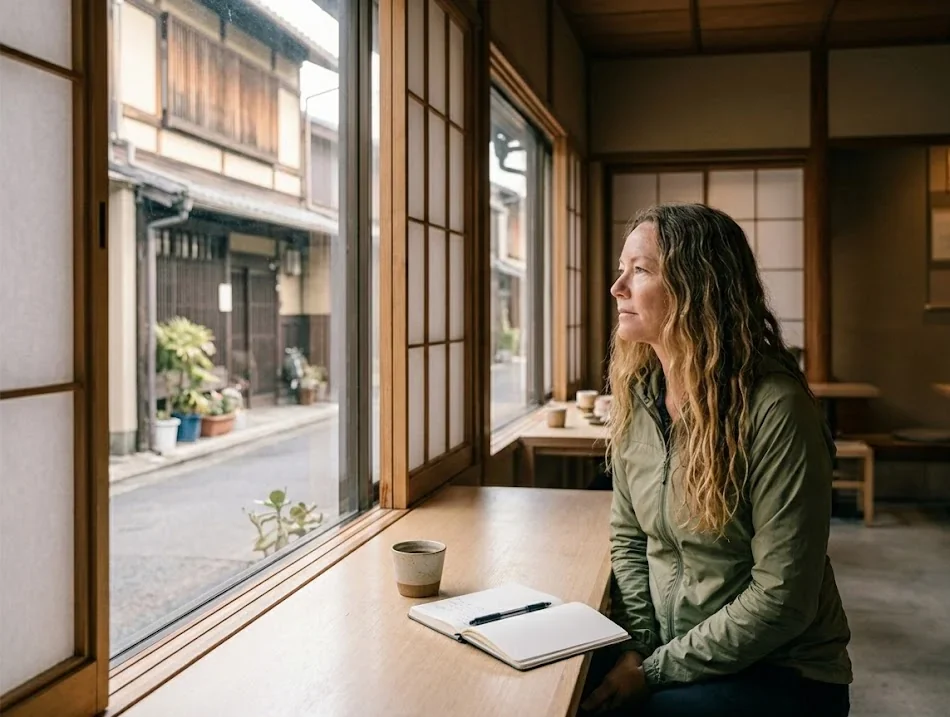
Packing reflects trip length. Short trips need minimal effort. Long trips demand planning. Documents, insurance, and backups matter.
Before departure, preparation reduces stress. After arrival, routine saves energy. Beyond that, good planning supports calm travel.
When Each Option Works Best
Short trips suit limited time, early solo experiences, and quick resets. Long trips suit flexibility, cultural learning, and steady rhythm.
Otherwise, combining both creates balance. One longer journey paired with smaller breaks offers variety. Next, experience guides future choices.
Final Thoughts from Experience
Years of solo travel teach one lesson clearly. Trip length does not define value. Mindset does. Short journeys have shifted perspective in days. Long journeys have reshaped habits over months. Each style carries meaning.
At travelistcorner.com, advice comes from lived experience and honest reflection. The choice between Long Solo Trips vs Short Trips should support real life, not complicate it. Finally, the best trip is the one that fits time, energy, and purpose right now.
