

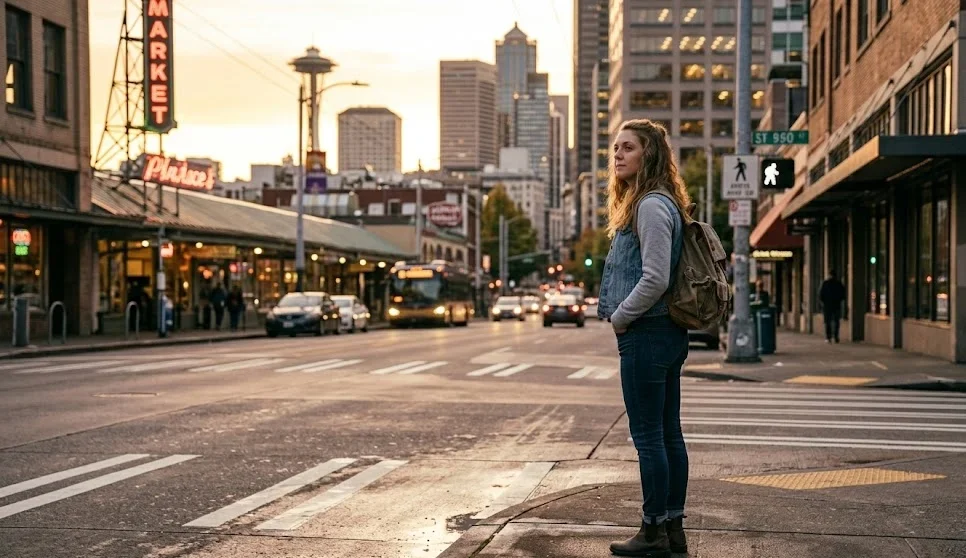
Booking a first solo trip brings excitement, but fear often follows close behind. Thoughts about safety, loneliness, and planning mistakes can feel overwhelming at first. At the same time, the idea of independence feels empowering. That mix of emotions is completely normal.
During my own first independent journey, I remember standing at the airport questioning whether I had overestimated myself. However, once the trip began, preparation replaced anxiety with calm. Confidence did not appear before departure. Instead, it grew with each small decision handled alone. This First Solo Trip for Women: Complete Guide is built from real planning experience and practical safety habits to help beginners feel ready.
Is It Safe to Travel Alone as a Woman in the US?
Safety is the biggest concern for most beginners. Fortunately, traveling alone in the United States can be safe with thoughtful preparation. Rather than focusing only on the city, attention should be placed on neighborhoods, lighting, and walkability.
For example, beginner-friendly cities often include:
- San Diego
- Seattle
- Boston
These places offer active downtown areas, reliable transport, and strong tourism infrastructure. In addition, selecting accommodation near restaurants and main streets increases comfort. Street View on Google Maps helps check lighting and activity levels. Reviews mentioning safety also provide insight.
Most importantly, arriving during daylight on the first day reduces stress. As a result, the environment feels easier to read. Simple habits like sharing your itinerary and avoiding empty late-night transport areas add another layer of security.
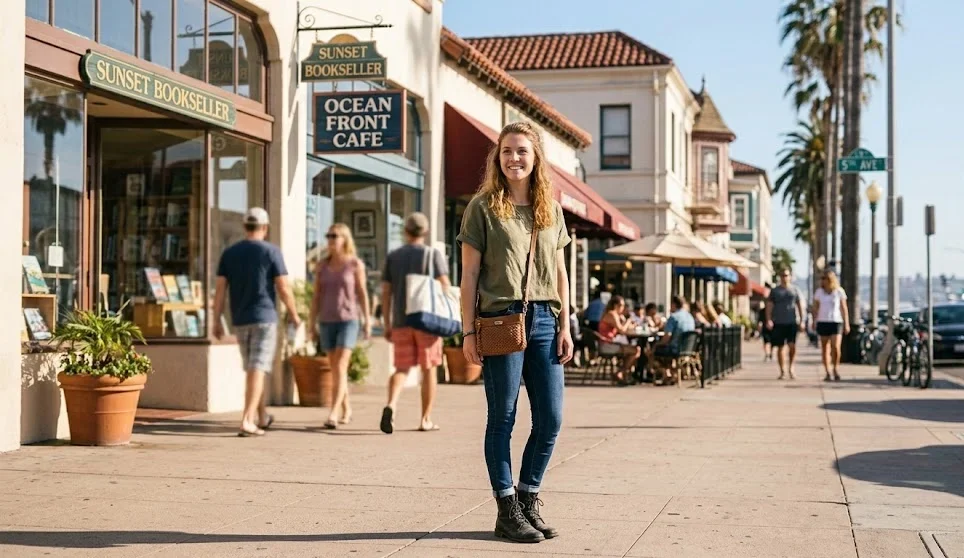
How to Plan Your First Solo Trip Step by Step
Planning removes uncertainty. Therefore, breaking the process into stages makes it manageable.
Start by choosing a destination that feels easy to navigate. Smaller cities or walkable downtown areas work well. Next, decide on trip length. Three to five days is ideal for a beginner because it builds confidence without exhaustion.
After selecting dates, book accommodation in a central area. Verified hotels or platforms like Airbnb offer review transparency. Then, outline two to three daily activities. Overplanning leads to stress, so leave room for rest.
Finally, share your plans with a trusted contact. This simple action increases peace of mind. Because structure creates clarity, planning becomes empowering instead of intimidating.
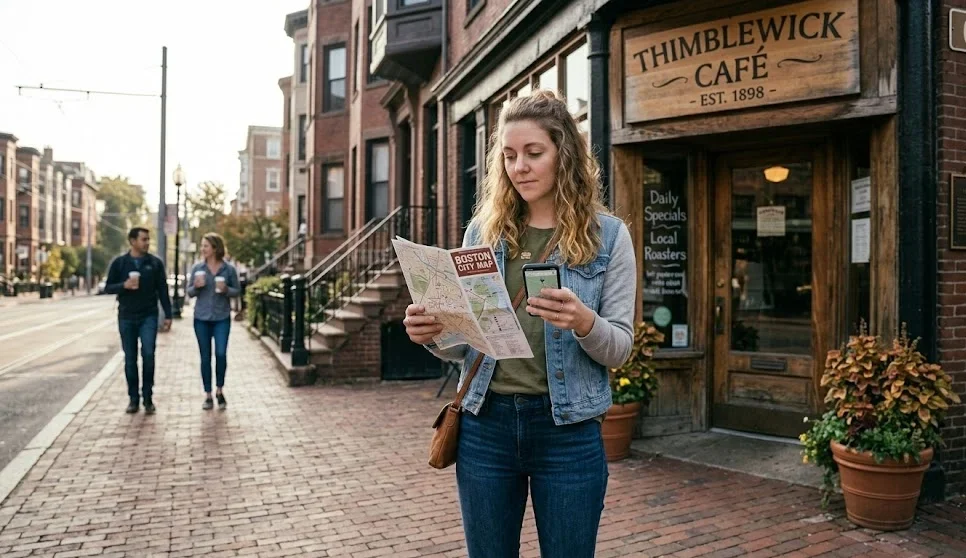
Budget Breakdown for a First Solo Trip
Money worries often stop women from traveling alone. Yet realistic numbers make planning easier. A five-day domestic trip may look like this:
| Expense | Budget | Mid-Range | Comfort |
|---|---|---|---|
| Flight | $150–300 | $300–450 | $450–700 |
| Hotel (5 nights) | $400–600 | $600–900 | $900–1,500 |
| Food | $150–250 | $250–350 | $350–500 |
In general, keeping an emergency buffer of $200–300 is wise. As a result, unexpected expenses feel manageable rather than alarming.
What to Pack for Your First Solo Trip
Packing light reduces stress. Instead of carrying everything “just in case,” focus on essentials.
A carry-on suitcase keeps mobility simple. A crossbody bag protects valuables. Portable chargers prevent dead-phone anxiety. Copies of important documents offer backup security.
Because lighter luggage improves flexibility, moving through airports and city streets feels easier. Consequently, confidence rises naturally.
Digital Safety and Smart Travel Habits
Modern travel requires online awareness. Avoid posting real-time locations on social media. Instead, share photos after leaving a destination. Two-factor authentication on travel apps adds another security layer.
Public WiFi should not be used for banking. Digital copies of IDs stored securely in email or cloud storage help if documents are lost. These small actions prevent larger problems later.
Before traveling, review the CDC travel health guidelines to check health recommendations, vaccination updates, and destination-specific advisories.
What to Do If Something Goes Wrong
Unexpected moments can happen. However, calm decisions solve most problems quickly.
If a flight is missed, speak directly to airline staff about rebooking. When feeling unsafe, move into a busy location and call a ride through Uber. Should accommodation feel uncomfortable, request a room change or relocate.
Prepared travelers respond faster because they already considered possibilities.
Domestic or International for a First Experience?
For beginners, domestic travel often feels easier. Language barriers disappear and healthcare systems remain familiar. On the other hand, international travel offers deeper cultural growth.
| Factor | Domestic | International |
|---|---|---|
| Planning Level | Simpler logistics | More preparation needed |
| Comfort | Familiar systems | Greater growth |
Therefore, starting domestically can be a smooth introduction to independent travel.
Managing Anxiety and Loneliness
Awkward moments may appear. Eating alone can feel uncomfortable at first. Sitting at a bar counter or bringing a book makes the experience easier. Joining a walking tour on day one also encourages light social interaction.
If overwhelm sets in, slow down. Cancel one activity. Spend time in a quiet cafe. Gradually, the unfamiliar becomes comfortable.
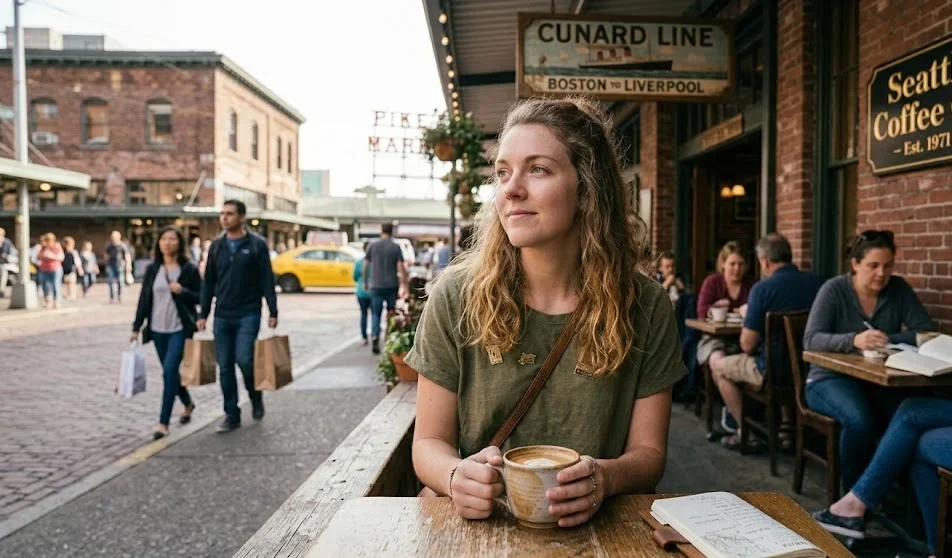
Realistic Expectations Matter
Perfection is not required. Minor mistakes will happen. Nevertheless, each challenge handled independently builds resilience. Over time, small wins create long-term confidence.
Your first solo trip does not require fearlessness. It requires preparation and the courage to begin.
Clara Whitmore
FAQs
Yes, with preparation. Choose busy neighborhoods, arrive during daylight, and share your itinerary with someone you trust. Beginner-friendly cities like San Diego and Seattle offer strong tourism infrastructure and walkable areas that feel comfortable for first-time travelers.
For a 3–5 day domestic trip in the US, most women spend between $800 and $2,000 depending on accommodation and activities. Keeping an extra $200–300 as an emergency buffer adds peace of mind.
Three to five days works best for beginners. It gives enough time to adjust while keeping the experience manageable. Short trips build confidence quickly.
Plan one group activity early in the trip, such as a walking tour or local class. Stay in central areas with cafes and public spaces. Most first-time travelers find that loneliness fades after the first full day.
Conclusion
Growth rarely feels comfortable at the beginning. Still, careful preparation transforms fear into focus. Safety planning, budgeting, and thoughtful pacing make independence manageable. With each decision handled alone, capability strengthens.
Looking back at my own first experience, the nervous energy at departure feels distant compared to the confidence gained afterward. The purpose of this First Solo Trip for Women: Complete Guide is simple: provide clarity so hesitation does not stop you. Preparation builds calm. Action builds confidence. The first step is often the hardest, yet it opens the door to many more journeys ahead.
