

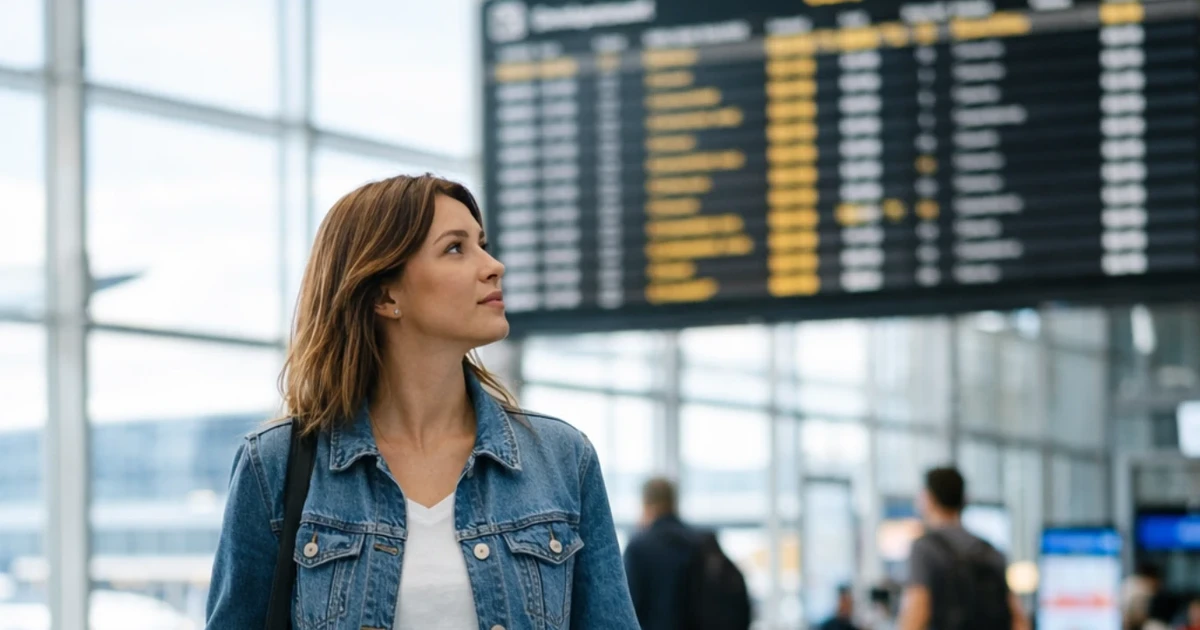
The idea of traveling alone can feel exciting and scary at the same time. Many women dream about exploring new cities, trying new food, and meeting new people. Still, one big question often stops them: is it safe to travel alone as a woman?
Fear usually grows from uncertainty. News stories highlight worst-case situations. Family members may worry. Social media sometimes shows dramatic experiences. However, fear does not always match reality. With clear information and smart planning, risk can be reduced.
Before my first solo trip, I felt nervous too. Instead of canceling, I researched official travel advisories, checked neighborhood reviews, and spoke with experienced travelers. As a result, my confidence increased. Preparation changed everything.
Is It Safe to Travel Alone as a Woman? The Short Answer
In many destinations, yes, it is safe. However, safety depends on location, timing, and behavior. No place in the world is completely risk free. Even your hometown carries some level of risk.
That said, millions of women travel alone each year without serious problems. Most incidents involve petty theft rather than violent crime. Therefore, awareness matters more than fear.
Understanding how to evaluate risk makes a big difference. Instead of asking only “is it safe to travel alone as a woman,” it helps to ask, “what makes a place safer or riskier?”
What Official Travel Data Shows
The U.S. Department of State provides travel advisories for every country. These advisories are updated regularly. Checking them should be the first step before booking.
Here is how advisory levels work:
| Advisory Level | Meaning |
|---|---|
| Level 1 | Exercise normal precautions |
| Level 2 | Exercise increased caution |
| Level 3 | Reconsider travel |
| Level 4 | Do not travel |
Most tourist destinations fall under Level 1 or Level 2. In other words, travel is possible with reasonable precautions.
Additionally, crime data from major cities shows that pickpocketing and scams are more common than violent crime in tourist areas. Moreover, risks often increase late at night. For this reason, planning activities during daylight hours lowers exposure.
Destinations That Often Feel Safer
If this is your first solo trip, choosing the right destination matters. Picking a country with strong public systems and low violent crime can reduce anxiety. It allows you to focus on enjoying the trip instead of worrying constantly.
Below are destinations many solo female travelers feel comfortable starting with.
Japan
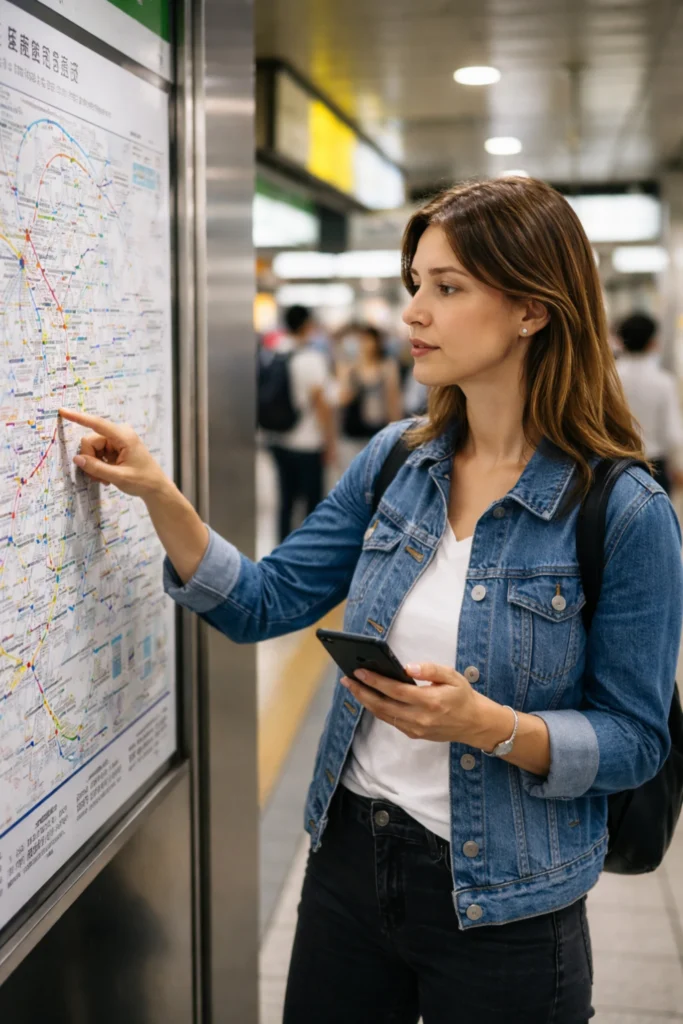
Japan is often recommended for first-time solo female travelers. Violent crime in major cities like Tokyo is low compared to many large U.S. cities. Public transport is reliable, clearly marked, and widely used by women.
If you are worried about walking alone, busy areas remain active late into the evening. Streets are clean and well lit. In addition, women-only train cars operate during peak hours in some cities.
However, confidence still matters. Avoid empty streets late at night. Stay in central neighborhoods. Preparation reduces stress.
For a first solo trip outside the U.S., Japan is often seen as a safe starting point.
Portugal
Portugal is popular among American solo travelers. English is widely spoken in Lisbon and Porto. That alone reduces anxiety for first-time visitors.
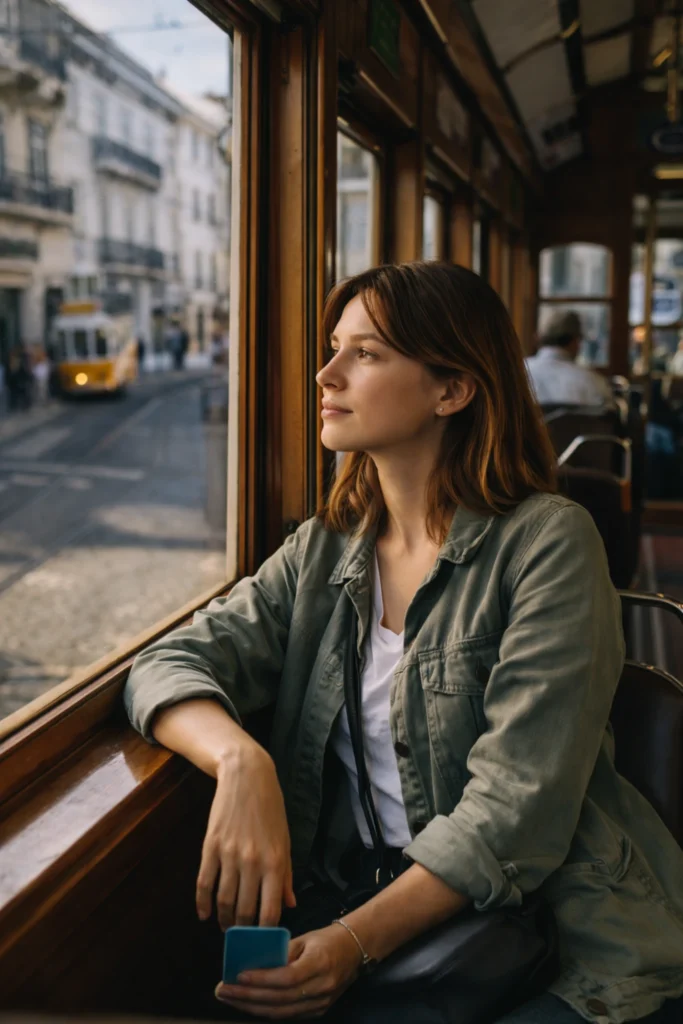
Cities are compact and walkable. Public transport is affordable and easy to understand. Police presence is visible in tourist zones.
That said, petty theft happens in crowded trams and busy squares. Use anti-theft bags and avoid displaying valuables. Choosing well-reviewed accommodation in central areas increases comfort.
If you want Europe but feel nervous, Portugal offers a balanced entry point.
Canada
Canada feels familiar to many U.S. travelers. Healthcare access, emergency systems, and infrastructure are strong. Cultural similarities also reduce culture shock.
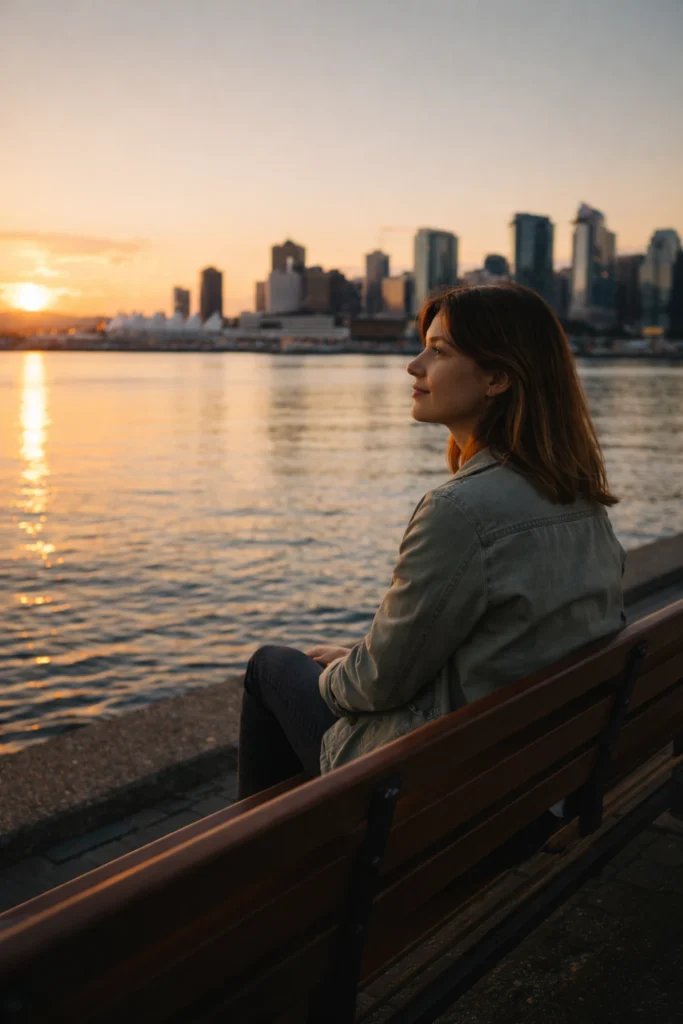
Major cities like Vancouver and Toronto are modern and well organized. Public transport runs regularly. Emergency services are accessible.
Still, large cities have neighborhoods that require caution. Research crime maps before booking. Stay near central areas with strong foot traffic.
For someone asking “is it safe to travel alone as a woman” for the first time, Canada can feel like a comfortable step outside the U.S. without being overwhelming.
Places That Require Extra Planning
Some destinations demand deeper research. That does not mean they must be avoided. Instead, it means stronger preparation is necessary.
For example, review political stability, transport safety, and cultural expectations. Likewise, read recent traveler reviews. If a country is listed as Level 3 or Level 4 by the U.S. Department of State, reconsider timing.
Quick Risk Evaluation Checklist
Before booking, ask:
- Is the advisory Level 1 or 2?
- Are solo female travelers visiting regularly?
- Is the neighborhood well reviewed?
- Is public transport regulated?
- Can late-night walking be avoided?
If most answers are positive, risk is lower. Therefore, research directly affects safety.
Solo Female Travel Safety Tips
Smart habits reduce exposure.
Before Departure
- Share your itinerary with someone trusted.
- Save emergency contacts.
- Buy travel insurance.
- Download offline maps.
During Transport
- Use official taxis or verified apps.
- Avoid unmarked vehicles.
- Arrive in new cities during daylight.
At Accommodation
- Choose central, well-reviewed areas.
- Lock doors and windows.
- Avoid posting real-time locations online.
At Night
- Stay in well-lit areas.
- Limit alcohol intake when alone.
- Keep your phone charged.
As a result, risk decreases significantly.
Is It Safe to Travel Alone as a Woman in the United States?
Safety varies within the U.S. Some cities are very safe. Others require careful neighborhood research.
Emergency services are accessible nationwide through 911. Moreover, crime maps are publicly available. Checking those tools helps evaluate areas before booking.
Real Experience: Clara Whitmore
Clara Whitmore, a solo traveler from California, has explored Europe and Asia alone. She checks official advisories before each trip and books central neighborhoods.
She explains:
“The fear was bigger than the reality. Once I arrived, I realized most people were helpful, not harmful.”
Clara Whitmore
She also shares:
“Planning gave me confidence. When I understood the area and had backup plans, I felt safer.”
Clara Whitmore
Her experience supports one key idea. Preparation changes perception.
Risk Comparison Table
| Factor | Lower Risk | Higher Risk |
|---|---|---|
| Advisory | Level 1–2 | Level 3–4 |
| Time | Daytime | Late night |
| Area | Central zones | Isolated areas |
| Transport | Official services | Unmarked vehicles |
| Planning | Research done | No research |
This table simplifies decision making.
Frequently Asked Questions
Many European cities are safe. However, safety varies by location. Checking advisories and local reviews remains essential.
Not necessarily. Risk depends on destination and behavior. Many women travel solo safely each year.
Japan, Portugal, and Canada are often viewed as safer options. Still, preparation always matters.
Conclusion
After reviewing official advisories, studying travel safety data, and analyzing real experiences, one conclusion stands out. Solo travel itself is not reckless. Lack of preparation is.
Based on research and practical evaluation, the answer to “is it safe to travel alone as a woman” depends on informed choices. Careful planning, awareness, and respect for local norms reduce risk greatly. Therefore, confidence should come from preparation, not from ignoring concerns.
At Travelist Corner, our goal is clear. Provide research-based guidance so travelers can explore with confidence and clarity.
