“Confidence does not come from ignoring risk. It comes from knowing you are prepared.”
Clara Whitmore
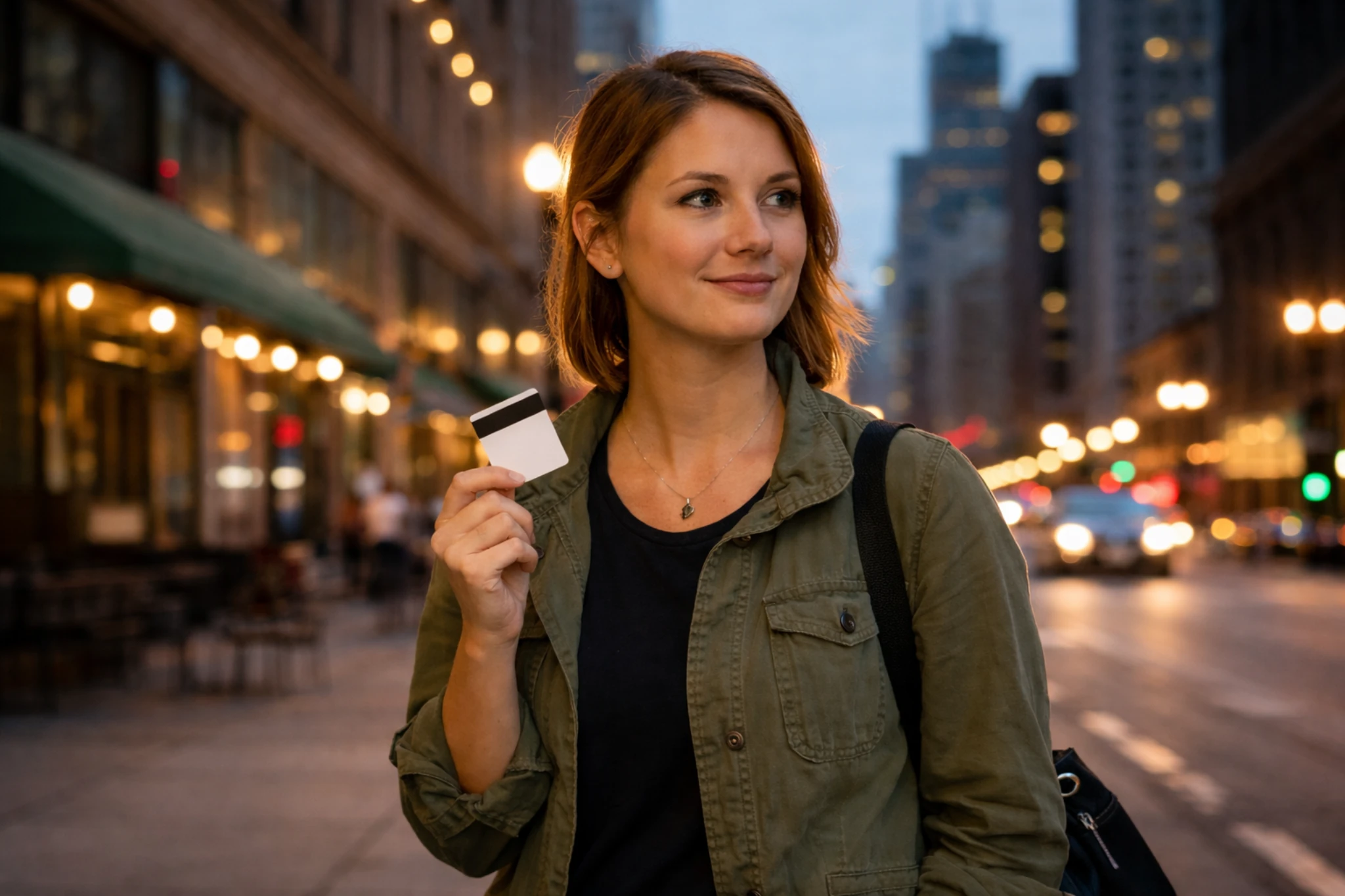
The first time I checked into a hotel alone, I remember holding my key card and feeling unsure. The lobby felt safe. However, the hallway felt quiet and unfamiliar. When that door closed behind me, I wondered if I had missed something important. Many women experience this moment. It is not fear. Instead, it is awareness.
Over the years, I have stayed in airport hotels, city high-rises, and small roadside inns across the United States. Most stays were smooth. Still, preparation always made the difference. These hotel safety tips for women traveling alone come from both personal experience and careful research into US hotel standards.
Why Hotel Safety Tips for Women Traveling Alone Matter
Hotels in the United States follow fire codes and safety regulations. For example, guest rooms must display evacuation maps. In addition, most properties use electronic key card systems and security cameras. Even so, personal habits still matter.
Small actions reduce risk. Furthermore, awareness prevents avoidable problems. Therefore, understanding smart safety steps builds real confidence during solo travel.
Before You Book a Hotel
Safety begins before arrival.
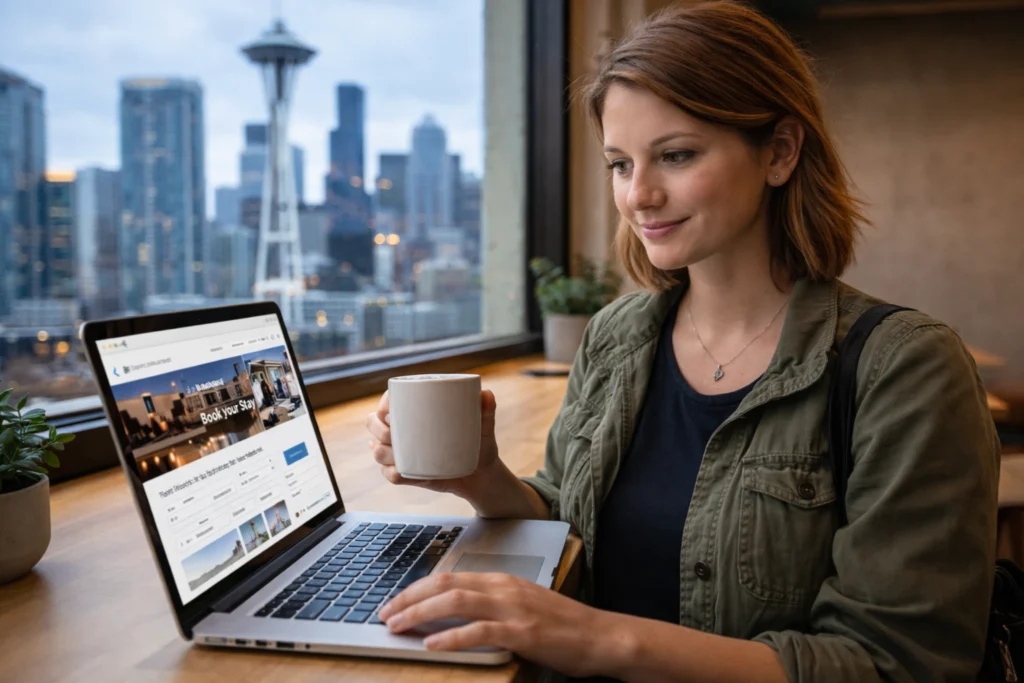
First, research the location carefully. Search the hotel name with terms like “safe area” or “well lit.” Next, read recent reviews instead of older ones. Look for comments about parking, staff behavior, and hallway lighting.
In contrast, repeated complaints about broken locks or dark entrances are warning signs. As a result, choosing the right property reduces stress immediately.
Additionally, select hotels with 24-hour reception. Staff presence overnight adds security. Likewise, well-lit parking areas matter, especially if arriving late.
Reading reviews and researching the area before booking improves hotel safety and peace of mind.
Smart Check-In Habits
The check-in moment is important.
Keep your room number private. If staff says it loudly, politely ask them to write it down. Moreover, keep your key card facing downward.
Ask for two keys even if traveling solo. This simple action suggests someone else may be staying with you. Meanwhile, stay aware of your surroundings in the lobby.
Because check-in areas are public, avoid sharing personal details within earshot of strangers.
Inside the Room: First Five Minutes
Once inside, take a few minutes to inspect the space.
Lock the door immediately using the deadbolt and latch. Then test the handle to confirm it is secure.
After that, check under the bed, inside the closet, and behind curtains. Although it may feel unnecessary, it creates peace of mind.
Next, inspect windows and balcony doors. Make sure they close fully. If something feels loose, request another room right away.
Finally, locate the emergency exit map on the back of the door. Knowing your nearest exit takes seconds yet can save valuable time.
These hotel safety tips for women traveling alone may seem simple. However, they are highly effective.
Choosing the Safest Floor
Many solo travelers ask which floor is safest.
Ground floors allow easier outside access. On the other hand, extremely high floors may slow evacuation during emergencies. For that reason, mid-level floors often feel safer.
Rooms near elevators, stairwells, and ice machines usually have more foot traffic. Therefore, request a quieter hallway when possible.
As a result, selecting the right floor increases comfort throughout your stay.
Choosing the right hotel floor can increase both comfort and security during solo travel.
Elevator, Hallway, and Night Safety
Hallways and elevators can feel uncomfortable at night.
Keep your key ready before reaching your door. If someone makes you uneasy in the elevator, step out and wait for the next one. Furthermore, walk with purpose and avoid distractions.
Late-night knocks require caution. Never open the door without verification. Instead, use the peephole and call the front desk if unsure. Similarly, confirm maintenance visits before allowing entry.
Engage all locks before sleeping. In addition, close curtains fully to block outside visibility.
These hotel safety tips for women traveling alone protect privacy and reduce anxiety.
Hidden Camera and Privacy Check
Modern travel concerns include privacy.
Use your phone flashlight to scan vents, smoke detectors, and shelves. Look for unusual wires or tiny lenses. While hidden cameras are rare, checking provides reassurance.
If anything appears suspicious, report it immediately and request a room change. Acting quickly protects your privacy.
What To Do If You Feel Unsafe
Instincts matter.
If something feels wrong, go to the lobby immediately. Request a new room if necessary. Furthermore, document the issue with hotel management.
In serious situations, contact local authorities. Acting early prevents escalation.
Preparation brings confidence, allowing solo female travelers to relax and enjoy their journey.
FAQs
Is it safe to stay in a hotel alone as a woman?
Yes. Most US hotels follow strong safety standards. Following hotel safety tips for women traveling alone reduces risk even more.
What floor is safest in a hotel?
Mid-level floors often balance security and emergency access. Ground floors allow easier outside entry.
Should I tell hotel staff I am traveling alone?
It is better to keep that private. Ask staff not to say your room number out loud.
What should I do if someone knocks at night?
Use the peephole and call the front desk before opening. Never open the door for unknown visitors.
Final Thoughts
Solo travel builds confidence and independence. At the same time, preparation ensures safety. Through years of personal travel experience, I have learned that simple habits create real peace of mind.
These hotel safety tips for women traveling alone are practical, realistic, and based on both research and lived experience. Most hotel stays are safe. Still, awareness transforms uncertainty into calm confidence. Travel prepared, stay alert, and enjoy the freedom ahead.
Clara Whitmore is a US-based solo travel writer and founder of Travelist Corner. She shares practical advice on planning, safety, and what traveling alone is really like, helping travelers feel confident on their own trips.