

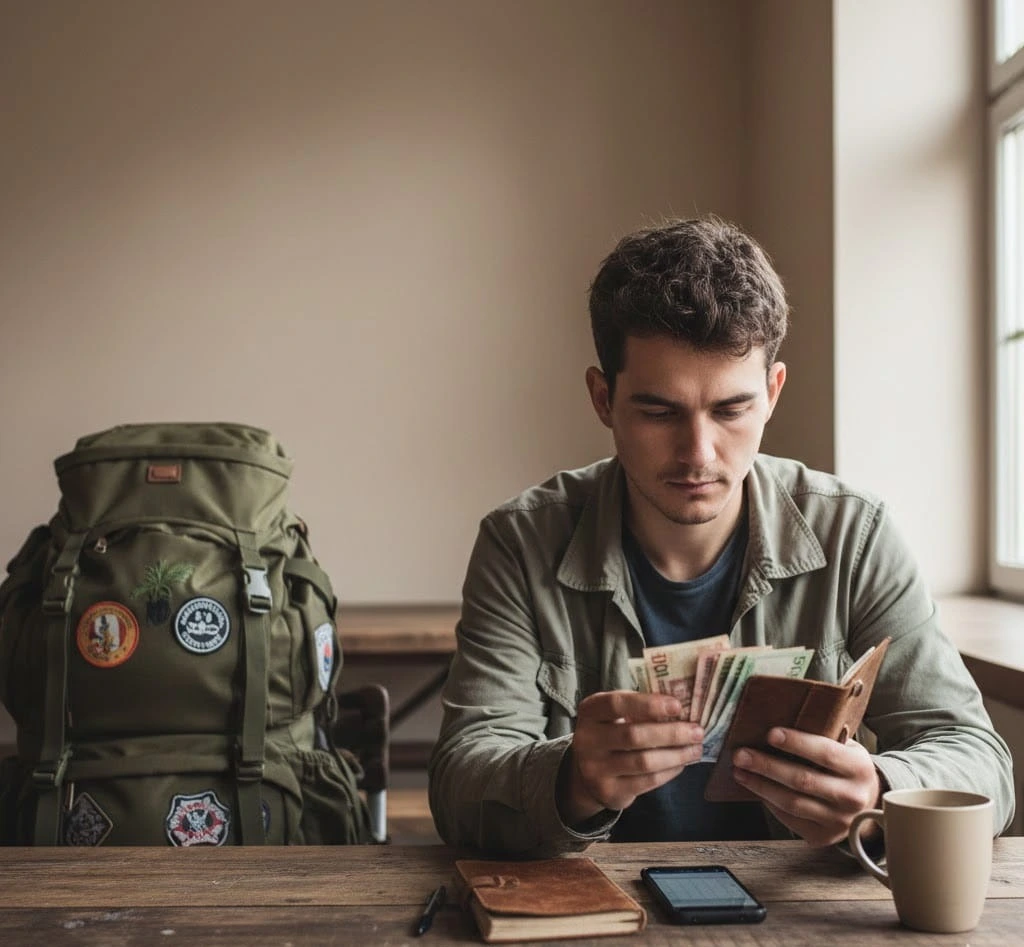
The first time I planned a solo trip in the US, the numbers scared me.
Every blog said “budget,” yet none showed real costs. Hotels felt expensive. Food added up fast. Transport choices were confusing. That gap between advice and reality caused stress before the trip even started.
After several solo trips across different US cities, patterns became clear. Some places drain money quickly. Others make it easier to stay on track. This guide comes from those real lessons, not guesses. It focuses on costs, choices, and what actually works for solo travelers.
What a Budget Trip Looks Like in the United States
A budget trip in the United States means simple choices.
It does not include luxury hotels or paid tours.
Instead, the focus stays on value.
In most cases, solo travelers spend:
- $90–120 per day in lower-cost cities
- $120–150 per day in mid-range cities
- $150 or more per day in major tourist areas
These costs usually include:
- Basic lodging
- Low-cost meals or groceries
- Local transport
- Free or low-fee activities
Flights are separate.
Even so, longer trips often reduce the daily average.
Low-Cost Ways to Move Between Cities
Transport affects the total budget quickly.
Therefore, choosing wisely matters.
Bus Travel
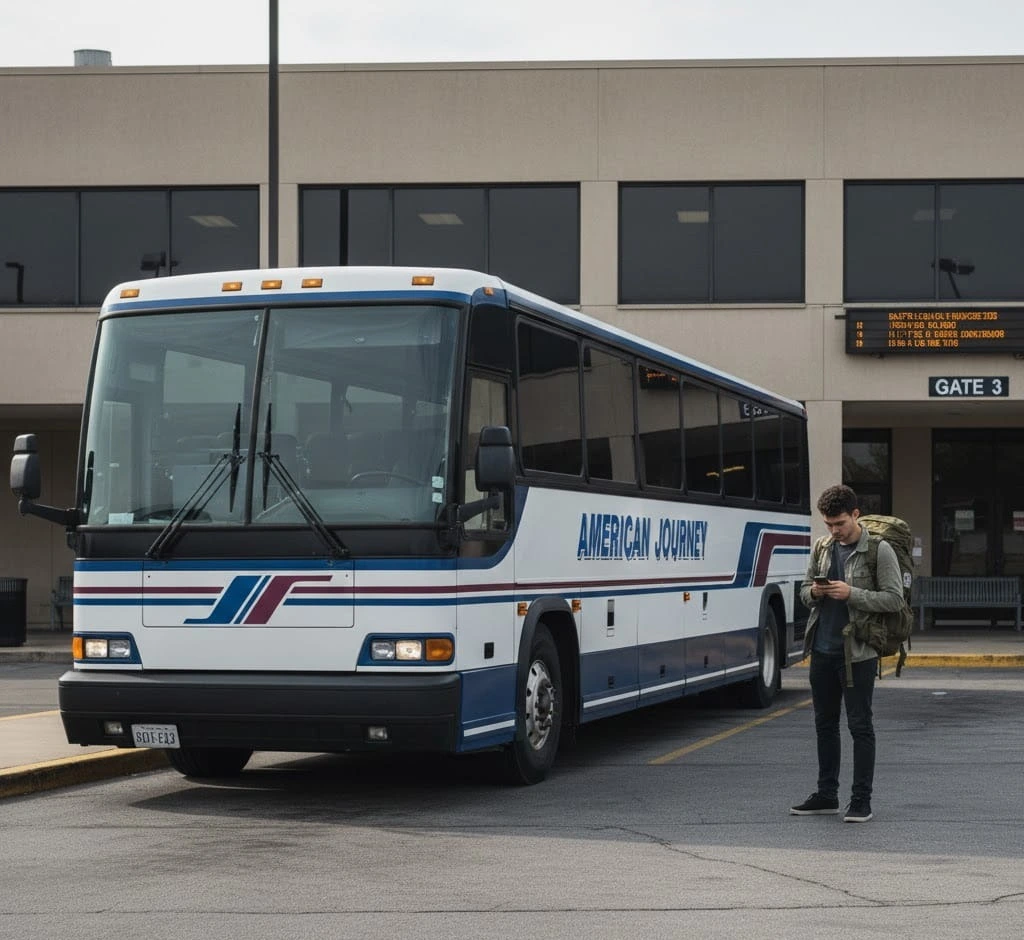
Buses are often the cheapest option.
For example, they work well for long routes.
In addition, early booking keeps prices lower.
External link:
Cheap intercity bus travel in the US
Train Travel
Trains cost more than buses.
Still, they offer comfort and space.
On busy routes, prices stay reasonable.
External link:
Amtrak train routes and fares
Budget Flights
Flights save time.
However, prices change quickly.
Because of this, mid-week travel usually costs less.
External link:
Find cheap domestic flights
Cities That Work Well for Budget Solo Trips in the US
Some cities offer better value than others.
They combine walkability with free attractions.
As a result, daily spending stays lower.
| Place | Daily Budget | Why it works |
|---|---|---|
| Philadelphia | $90–120 | Walkable areas and free museums |
| Portland | $100–130 | Public transport and city parks |
| Chicago | $110–140 | Free attractions and cheap food |
| New Orleans | $95–125 | Live music and affordable meals |
| Asheville | $90–120 | Nature access and small-town prices |
For many travelers, these places make budget solo trips in the US easier to manage.
Affordable Places to Sleep
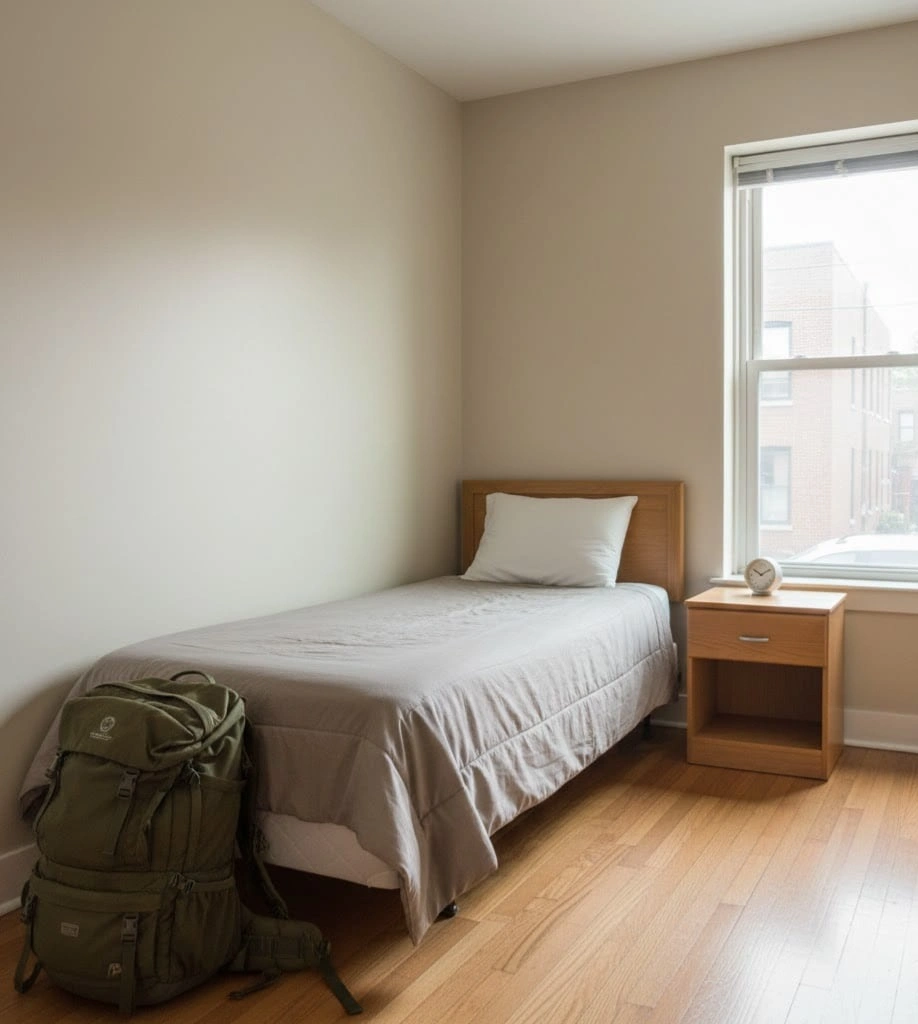
Where you sleep shapes daily costs.
Therefore, low-cost stays matter.
Hostels
Hostels are common in large cities.
They offer dorm beds and private rooms.
For short stays, they work well.
External link:
Find affordable hostels in the US
Budget Hotels and Motels
Budget hotels offer simple rooms.
Outside city centers, prices drop.
Road trips benefit the most.
Camping
Camping costs the least overall.
It suits long trips and nature routes.
External link:
Free and low-cost campsites
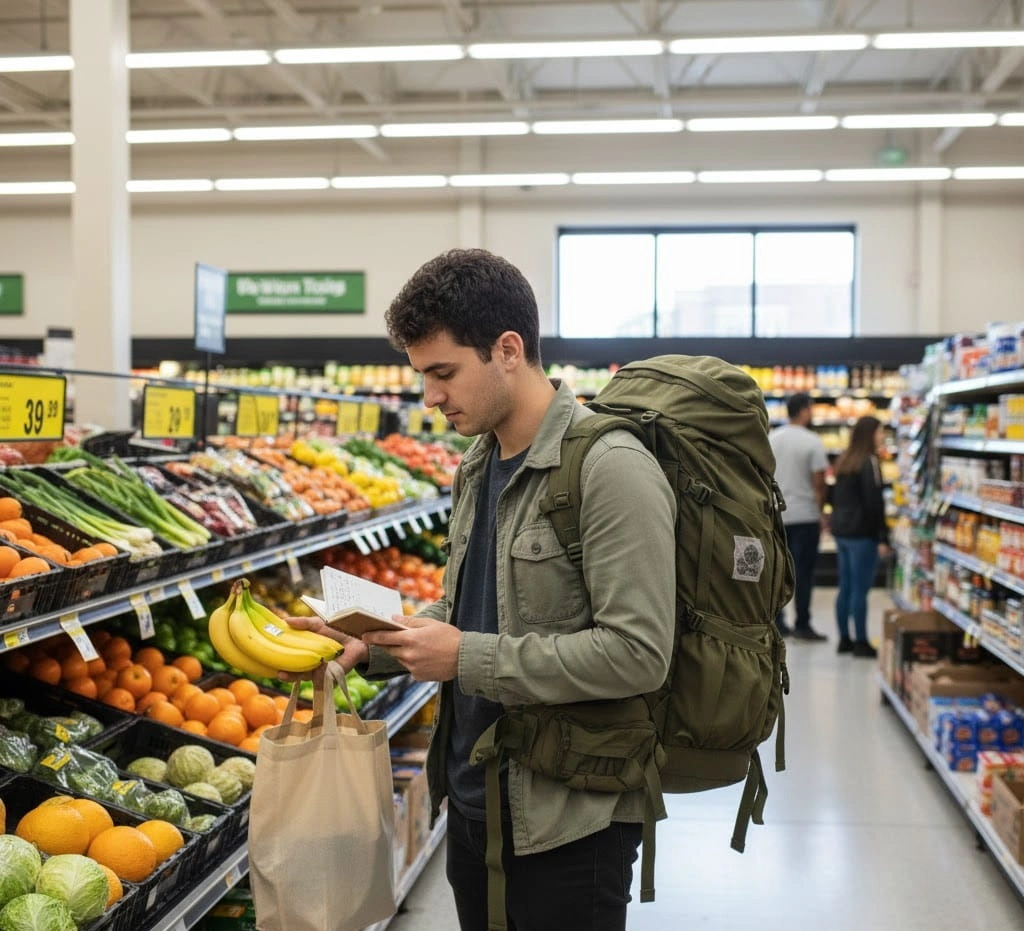
Food Costs and Smart Choices
Food spending adds up fast.
However, small changes help.
Many solo travelers:
- Buy groceries for breakfast
- Eat one low-cost meal out
- Avoid tourist areas
On average:
- $25–35 per day with groceries
- $35–45 per day with budget dining
Prices change by city and season.
Still, planning ahead reduces stress.
Sample Budget Ranges
These examples show realistic planning.
Weekend Budget Solo Trips in the US (2–3 Days)
- Transport: $60–120
- Stay: $70–100 per night
- Food: $25–35 per day
- Total: $250–400
One-Week Trip
- Transport: $120–200
- Stay: $80–120 per night
- Food: $30–40 per day
- Total: $700–1,000
Two-Week Trip
- Transport: $200–300
- Stay: $70–110 per night
- Food: $25–40 per day
- Total: $1,200–1,700
Because stays are longer, daily costs often drop.
Best Time to Travel on a Budget
Timing affects prices strongly.
Therefore, season choice matters.
Lower-cost periods include:
- Late winter
- Early spring
- Fall after summer
On the other hand, avoid:
- Summer holidays
- Festival weeks
- Long weekends
Planning dates carefully saves money.
Common Mistakes That Increase Costs
Many travelers overspend without noticing.
Fortunately, these mistakes are avoidable.
Avoid:
- Staying near major attractions
- Booking transport late
- Eating every meal out
- Skipping local transit passes
As a result, budgets stay balanced.
FAQs
Yes.
With planning, costs stay manageable.
Yes, especially in smaller cities.
Most are safe.
Check recent reviews first.
Buses cost the least overall.
No.
Many cities work well without one.
Final Thoughts
After years of solo travel, one truth stands out. Budget travel in the US is less about luck and more about planning. The right cities, slower pace, and simple choices keep spending steady. Small decisions shape the entire trip.
From personal experience, tracking daily costs and staying flexible makes a real difference. That approach avoids stress and builds confidence. With clear expectations and smart planning, solo travel across the US becomes realistic, manageable, and worth doing again.
