

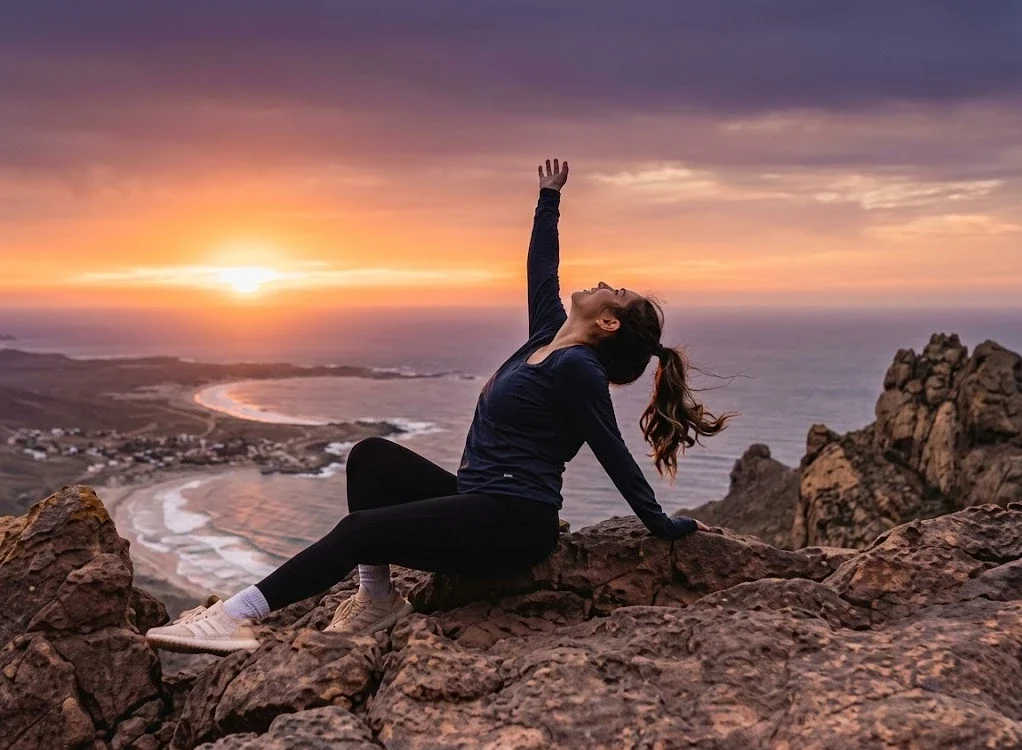
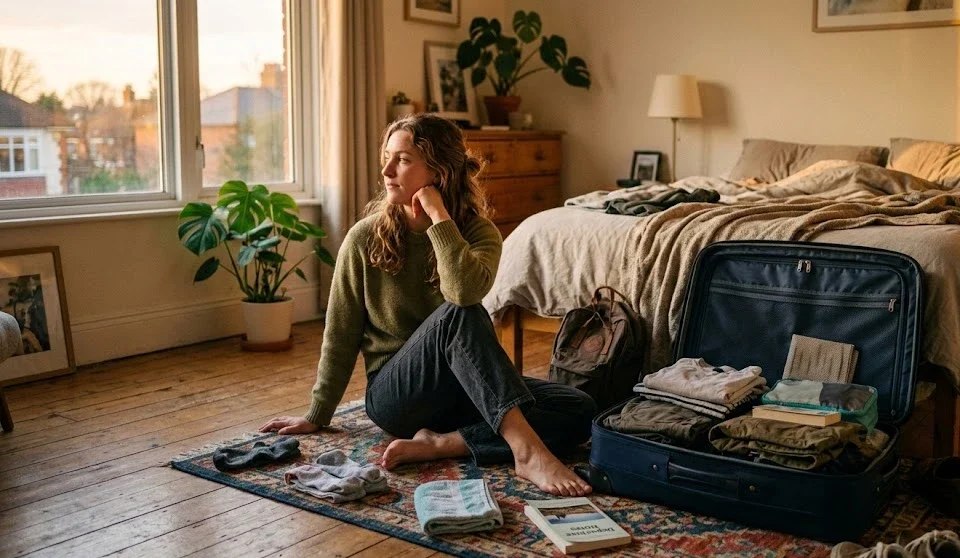
The night before my first solo trip, sleep felt impossible. My suitcase was ready, yet my mind kept asking hard questions. What if something goes wrong? What if I feel unsafe in a new city? That moment showed me how powerful common fears of solo female travel can be.
Over the years, while researching travel safety for Travelist Corner, I have spoken with many women who felt the same anxiety. However, most of them later said the fear was stronger than the reality. In fact, preparation changed everything. Instead of avoiding travel, they learned to manage risk with simple steps.
Why Fear Feels Strong Before Traveling Alone
Fear often grows from uncertainty. When something is new, the brain reacts with caution. In addition, news stories tend to highlight extreme events. As a result, rare incidents appear more common than they truly are.
At the same time, family and friends may express concern. Although their advice comes from care, it can increase stress. Therefore, understanding where fear comes from helps reduce its intensity. Once you recognize the source, it becomes easier to control.
Safety Concerns
Among all common fears of solo female travel, safety ranks first. Many women worry about crime, harassment, or walking alone at night. Even so, millions travel independently each year without serious problems.
Research lowers risk. For example, checking neighborhood reviews gives clear insight before booking. Likewise, arriving during daylight hours improves comfort. Sharing your location with a trusted person adds another layer of security. Consequently, planning replaces panic with confidence.
Awareness matters more than fear. Staying alert in public areas, choosing well-rated accommodation, and trusting instincts create balance. Instead of assuming danger everywhere, focus on informed decisions.
Fear of Loneliness
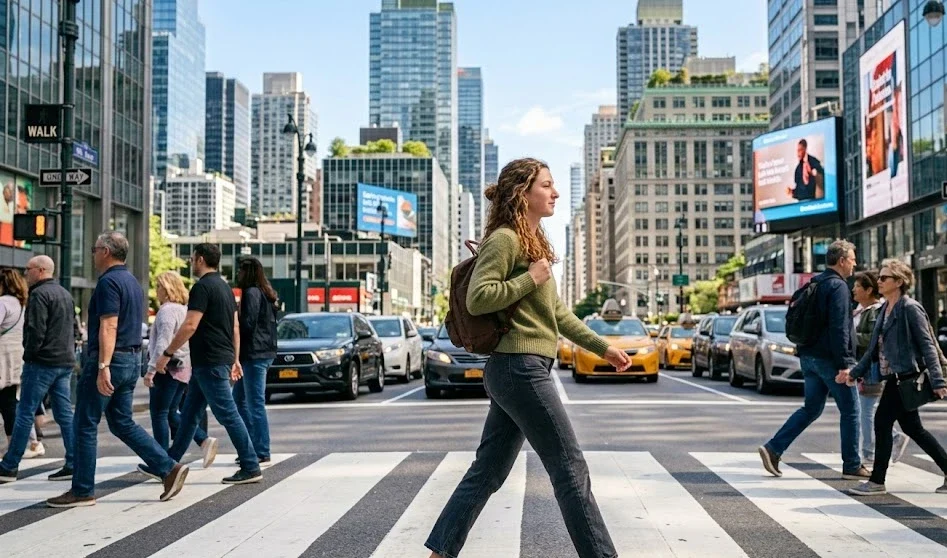
Another concern involves feeling isolated. Some imagine eating alone or exploring without company. Yet solo trips often create unexpected connections.
Joining walking tours introduces travelers to others with similar interests. Furthermore, group classes and local events build easy conversation. In many cases, people report meeting more friends alone than in groups.
Temporary quiet moments can feel uncomfortable at first. However, those moments often turn into reflection and growth. Eventually, confidence replaces doubt.
Fear of Getting Lost
Getting lost feels like losing control. Still, modern travel tools reduce this risk greatly.
Offline maps, translation apps, and digital transport guides simplify navigation. Additionally, keeping hotel details saved offline prevents confusion. Small planning steps, therefore, reduce stress quickly.
Even if direction becomes unclear, most situations remain manageable. Asking for help inside a shop or hotel lobby feels safer than standing outside. As a result, brief confusion rarely becomes danger.
Fear of Harassment
Concerns about unwanted attention appear often in discussions about common fears of solo female travel. Cultural differences can affect comfort levels.
Dressing according to local norms helps blend in. Likewise, confident body language discourages unwanted interaction. Moving toward busy spaces improves safety when something feels wrong.
Importantly, trusting intuition remains key. If an area feels uncomfortable, leaving immediately is wise. Calm decisions protect better than panic.
Fear of Medical Problems
Health worries also surface before departure. Questions about illness abroad can increase anxiety.
Travel insurance provides protection against unexpected costs. Moreover, saving emergency numbers on your phone ensures quick action if needed. Carrying basic medication prevents small problems from growing.
Although medical emergencies are rare on short trips, preparation creates reassurance. Therefore, simple precautions support peace of mind.
Fear of Money Issues
Financial stress can weaken confidence. Losing a card or overspending feels overwhelming.
Bringing two payment methods reduces dependency on one source. Separating emergency cash adds protection. Tracking daily spending, meanwhile, prevents surprises.
When budgeting feels clear, anxiety decreases. Practical planning supports emotional stability.
Real Risk vs Perceived Risk
Many common fears of solo female travel feel larger than reality. Understanding the difference builds control.
| Fear | Reality | Action |
|---|---|---|
| Getting lost | Usually temporary | Use offline maps |
| Loneliness | Often short term | Join activities |
| Harassment | Varies by area | Stay alert, move to busy spaces |
| Crime | Location dependent | Research neighborhoods |
| Panic | Passes with time | Pause, breathe, reset |
Clearly, informed awareness reduces exaggerated thinking.
What to Do If Fear Appears During Your Trip
Even experienced travelers feel nervous sometimes. However, fear during travel does not mean failure.
First, pause and take slow breaths. Next, move to a well-lit public place. After that, contact someone you trust. If needed, adjust your plans for the day.
Flexibility builds resilience. Instead of forcing confidence, respond calmly. Step by step, control returns.
Starting Small Builds Confidence
For beginners, starting small works best. Short domestic trips create practice without overwhelming pressure. Choosing cities with strong tourism systems increases comfort.
Planning the first day carefully removes early uncertainty. Meanwhile, leaving space in the schedule prevents stress. Over time, repeated positive experiences weaken fear naturally.
Growth happens gradually. Confidence strengthens through action.
Safety Checklist Before You Go
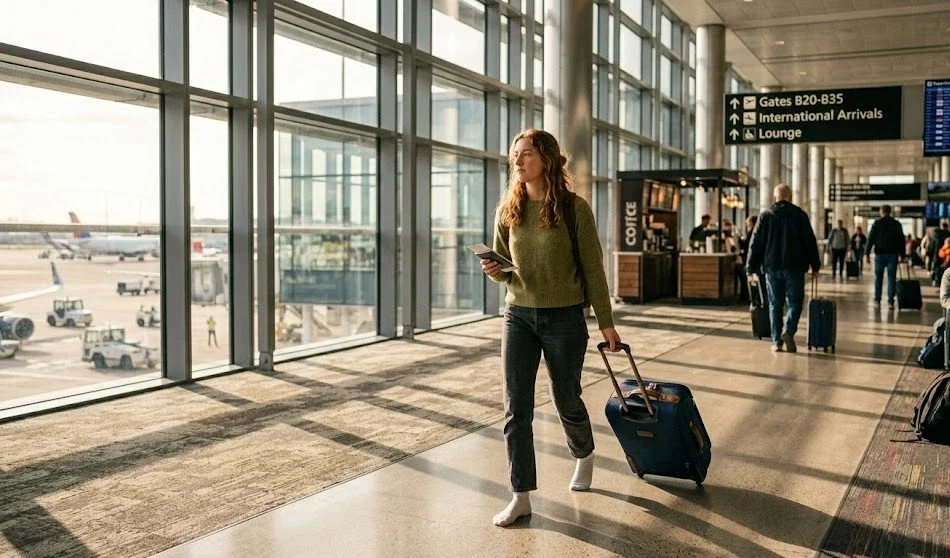
Before departure:
- Research neighborhoods
- Book well-reviewed stays
- Share itinerary
- Download offline maps
- Purchase travel insurance
During the trip:
- Stay aware of surroundings
- Avoid isolated areas late at night
- Keep emergency contacts saved
- Trust instincts
Preparation reduces emotional pressure.
Frequently Asked Questions
Solo travel can be safe with planning and awareness. While no place is risk free, research and smart habits lower danger significantly.
Unfamiliar situations trigger caution in the brain. In addition, negative stories appear more often than positive ones.
Clear planning, trusted accommodation, and shared itineraries reduce uncertainty. Confidence grows with preparation.
Safety concerns remain the most discussed issue. Nevertheless, most trips happen without serious problems.
Final Thoughts
From my years researching travel safety at TravelistCorner, one pattern stands out. Women who feel strong anxiety before departure often become confident explorers later. Preparation transforms fear into focus.
Common fears of solo female travel do not disappear overnight. Instead, they shrink through planning, awareness, and experience. Balanced decisions create security. Calm action builds confidence. With steady preparation, solo travel becomes less about risk and more about growth.
