

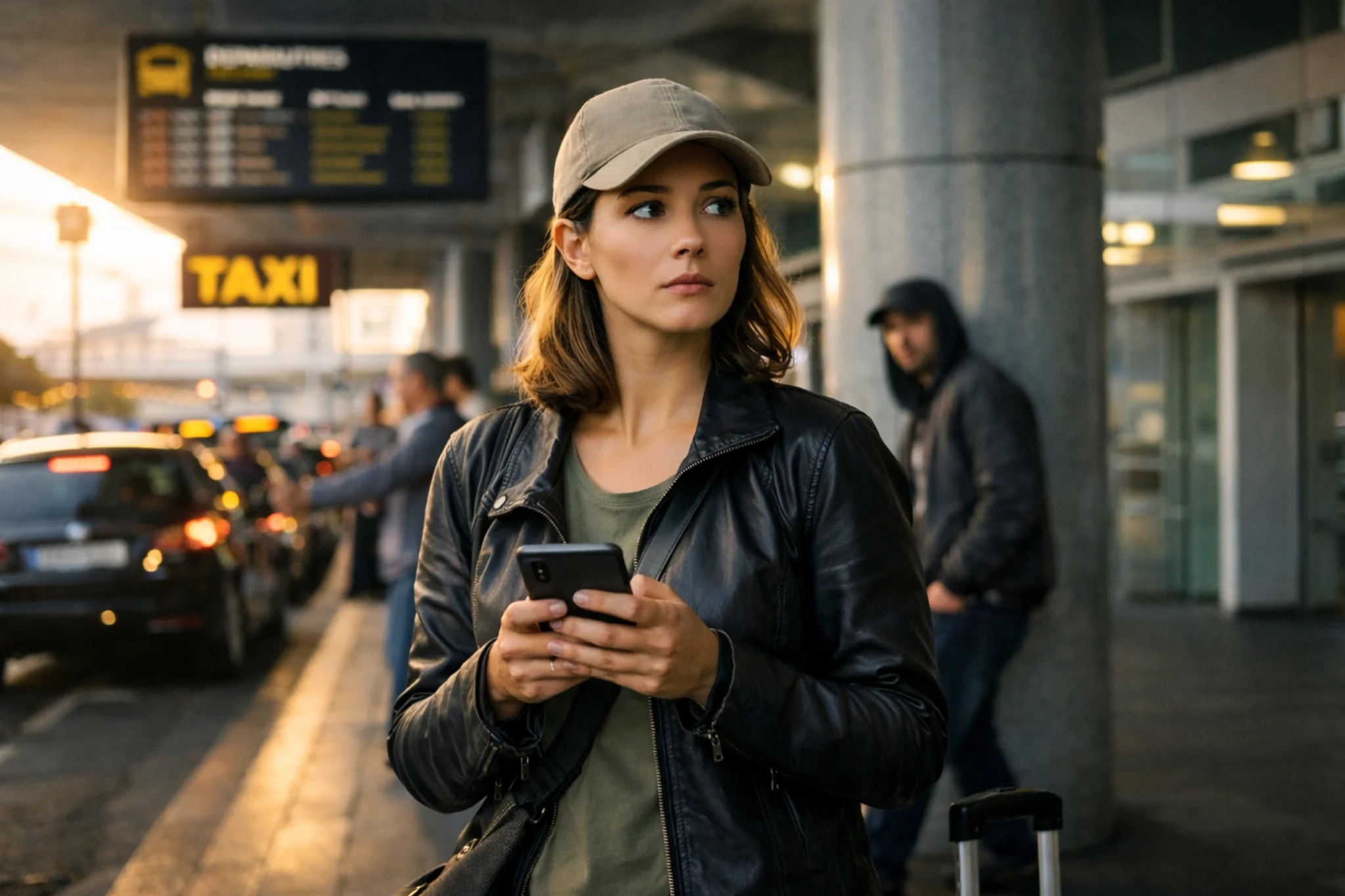
Traveling alone feels exciting. At the same time, it can bring quiet worry. Many women fear being tricked in a new country. That concern often starts before boarding the plane. A strange booking email. A taxi driver offering help too quickly. Small moments create doubt.
On one of my early solo trips, a driver told me my hotel was closed. For a second, I believed him. However, I called the hotel directly and confirmed it was open. That simple pause stopped a common scam. Since then, I have studied scam patterns, reviewed official warnings, and read hundreds of real traveler reports. As a result, I learned something important: knowing how to avoid scams as a solo female traveler removes most of the fear.
Why Solo Female Travelers Get Targeted
Scammers look for hesitation. In other words, they search for confusion.
Often, travelers who appear distracted become easy targets. For instance, standing in the street while checking maps signals uncertainty. Likewise, carrying luggage alone can attract attention.
Still, being alone does not mean being vulnerable. Instead, posture and tone matter more. Confidence discourages many problems before they begin.
Therefore, slow down decisions when someone pressures you. Urgency is a common tactic.
Scam vs Tourist Pricing
Higher prices in tourist areas are normal. However, that is different from fraud.
A scam usually involves false information or hidden demands. For example, someone might claim an attraction is closed. Meanwhile, it is open as usual.
Because of this, always verify details yourself. Checking online takes minutes. That habit alone helps you understand how to avoid scams as a solo female traveler in crowded areas.
Online Scams Before You Travel
Preparation begins at home. Unfortunately, digital scams are increasing.
Fake booking websites copy real hotel pages. Although they look professional, payment goes to criminals. Therefore, check the web address carefully. In addition, search reviews outside the website.
Rental scams are also common. Sometimes property photos are stolen and reposted. If a host asks for payment outside the platform, treat that as a red flag.
Furthermore, avoid travel deals offered only through social media messages. Legitimate airlines sell tickets through official sites.
According to the Federal Trade Commission, never pay for travel using gift cards or wire transfers. Instead, use a credit card for stronger fraud protection.
Airport and Transport Scams
Airports create stress and fatigue. Consequently, scammers act quickly.
A common example is the fake taxi driver. He may claim official taxis are unavailable. Rather than accepting, use authorized taxi lines or trusted apps.
Another trick involves hotel misinformation. A driver might say your hotel is unsafe. In that case, call the hotel directly before changing plans.
As a rule, slowing down protects you. Practicing how to avoid scams as a solo female traveler at arrival points reduces risk immediately.

Street Distraction Scams
Street scams often begin with friendly conversation. At first, everything feels normal. Then pressure appears.
Free bracelets or flowers are classic tactics. Once accepted, payment is demanded. Simply refuse politely and walk away.
Similarly, ATM help scams target distracted visitors. If someone offers assistance, decline firmly. Whenever possible, use machines inside banks.
Moreover, keep personal space clear while entering your PIN. Small awareness habits prevent large problems.
Digital Safety While Abroad
Modern travel requires digital caution. Therefore, adjust phone settings before departure.
Fake public Wi-Fi networks copy official names. Connecting may expose personal data. Instead, confirm the correct network with staff.
Card skimming devices also appear in tourist areas. Before inserting your card, check if the slot feels loose. If something seems unusual, choose another ATM.
In addition, avoid handing your card to anyone who walks away with it.

Body Language as Protection
Posture sends signals. Walking with purpose reduces attention.
Standing still while looking lost increases risk. Instead, step inside a shop if directions are needed.
Avoid counting cash in public spaces. Likewise, keep your phone secure when not in use.
These small actions support your overall strategy for how to avoid scams as a solo female traveler without appearing defensive.
What To Do If You Get Scammed
Even careful travelers face problems. Therefore, act quickly.
First, move to a safe location. Next, freeze your card using your banking app. After that, contact your bank immediately.
Save screenshots and receipts. U.S. travelers can file reports online with the Federal Trade Commission. Because most credit card companies allow disputes within 60 days, fast action improves recovery chances.
Knowing how to avoid scams as a solo female traveler also includes knowing how to respond if something goes wrong.
Final Thoughts
After reviewing scam reports, official alerts, and real traveler experiences, one lesson stands clear. Scammers rely on hesitation, not force. When calm thinking replaces panic, most schemes collapse.
Solo travel remains empowering. With preparation and awareness, independence grows stronger. Learning how to avoid scams as a solo female traveler is not about fear. Instead, it is about control. Travel smart, verify information, and trust your judgment wherever you go.
