

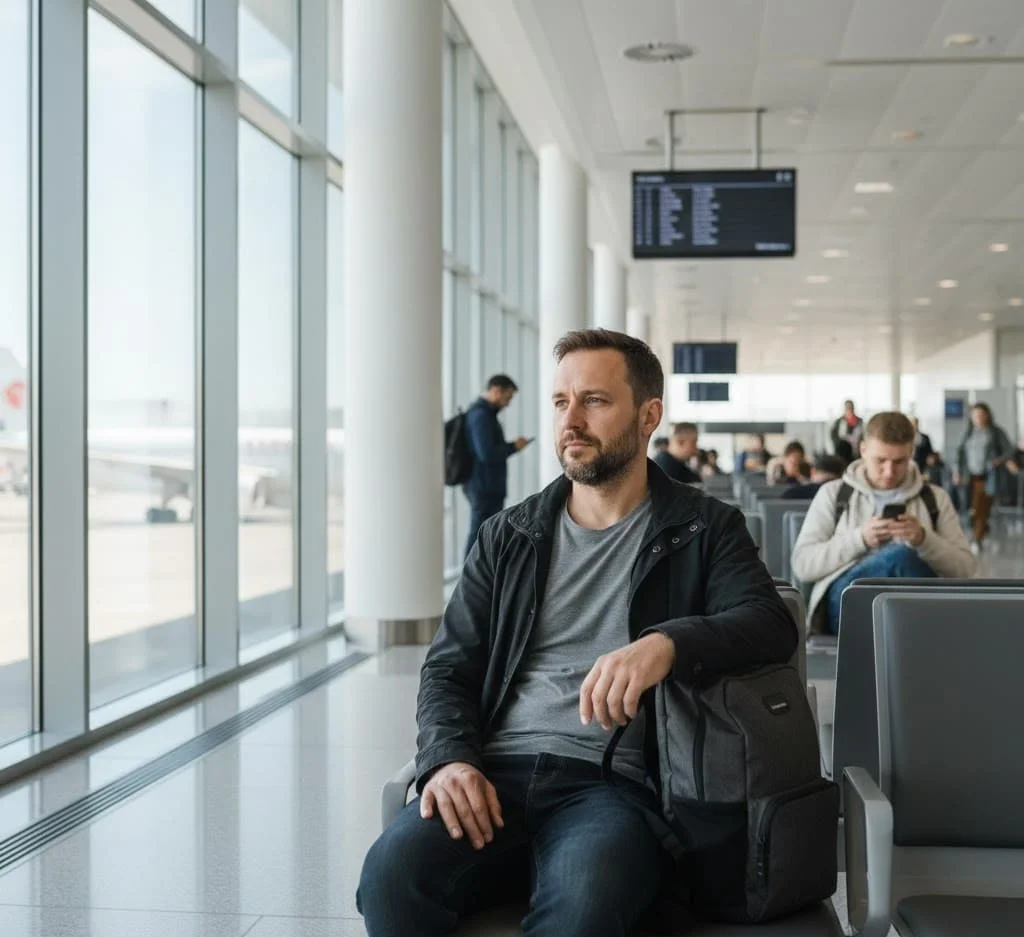
Thinking about traveling alone often brings mixed feelings.
At first, freedom sounds exciting.
Soon after, doubts appear.
Safety concerns come up quickly.
Loneliness and cost follow close behind.
At the same time, curiosity does not go away.
Because of this, many people stop before booking.
That pause matters.
This guide exists for that moment.
Instead of pushing excitement, it focuses on clarity.
So by the end, deciding whether solo travel fits your life should feel easier.
What Solo Travel Means in Real Life
Solo travel means taking a trip alone from start to finish.
Planning, booking, and daily choices stay in one set of hands.
However, being alone does not mean being isolated.
Many solo travelers meet people along the way.
Still, responsibility remains personal.
Therefore, comfort with independence matters more than excitement.
Why This Question Comes Up So Often
Interest in solo travel often begins with one idea.
Freedom.
Yet freedom also brings responsibility.
Because of that, hesitation follows.
For example, some people worry about feeling awkward alone.
Meanwhile, others think about money or safety.
As a result, searching Is Solo Travel Right for You becomes a way to reduce doubt before committing.
A Short Reality Check Before Deciding
Before moving forward, a few honest questions help.
First, comfort with alone time matters.
Long hours without company are normal on solo trips.
Next, decision-making style counts.
Every small choice adds up during travel.
Also, flexibility plays a role.
Plans change due to weather or delays.
In addition, handling problems calmly helps.
Missed buses and wrong turns happen.
Finally, budget tolerance should be clear.
Costs are not shared when traveling solo.
Taken together, these points reveal whether solo travel matches your habits.
Benefits That Attract Many Travelers
Solo travel has clear upsides.
To begin with, full control over plans feels refreshing.
Schedules stay flexible without compromise.
Likewise, confidence grows through small wins.
Finding places and solving issues builds self-trust.
Moreover, social connections often feel easier.
Solo travelers are more approachable.
At the same time, mental space increases.
Quiet moments allow reflection.
Because of these reasons, many people enjoy solo trips deeply.

Challenges That Are Often Overlooked
However, solo travel is not perfect.
Loneliness can appear without warning.
Even confident travelers experience it.
In addition, costs can be higher.
Rooms and transport are paid alone.
Safety responsibility also increases.
Without a partner, awareness matters more.
Furthermore, constant decision-making can feel tiring.
Choosing everything every day adds pressure.
Therefore, knowing these challenges early prevents regret later.
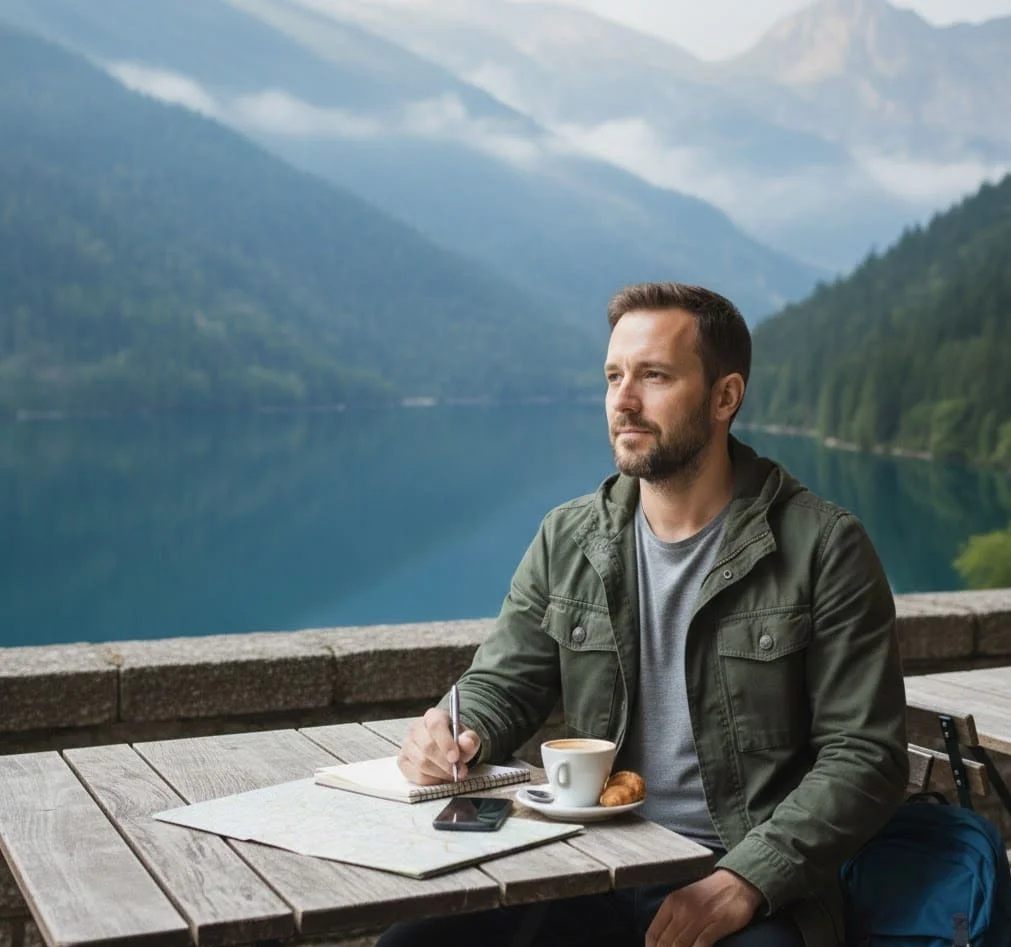
Comparing Solo Travel With Other Options
Making a decision becomes easier with comparison.
Solo travel offers freedom and flexibility.
However, emotional support is limited.
Group travel lowers planning stress.
Still, personal control drops.
Traveling with a partner shares costs and moments.
Yet personal space becomes smaller.
As a result, the best option depends on personal priorities.
Managing Budget as a Solo Traveler
Money concerns are valid.
Fortunately, smart planning helps.
For example, smaller rooms reduce costs.
Hostels and guesthouses offer savings.
Likewise, traveling off-season lowers prices.
Public transport also helps control spending.
Therefore, solo travel does not always mean high cost.
Staying Safe While Traveling Alone
Safety is often the biggest concern.
Basic preparation lowers risk.
Before choosing a destination, checking official travel guidance helps set expectations.
For destination-specific safety updates, many travelers rely on the U.S. Department of State travel advisories, which provide current risk levels and local alerts.
You can review them here: U.S. Department of State travel advisories
Along with that:
- Share trip details with someone
- Keep copies of documents
- Avoid unsafe areas at night
- Trust instincts
- Carry travel insurance
Prepared travelers usually feel calmer.

Handling Loneliness on the Road
Loneliness does not mean failure.
Many solo travelers manage it in simple ways.
For instance, staying in social places helps.
Short group activities add connection.
Calling family or friends provides comfort.
Journaling helps process feelings.
Over time, these moments pass.
Who Solo Travel Usually Suits Best
Solo travel works well for certain people.
Those who value independence often enjoy it.
Flexible planners adjust easily.
People comfortable with quiet time adapt faster.
Personal growth seekers also benefit.
Meanwhile, travelers who need constant company may struggle.
Both preferences are valid.
Is Solo Travel Right for You?
After years of observing travelers, one pattern stands out.
Solo travel is about fit, not bravery.
Some trips feel peaceful alone.
Others feel heavy without company.
That contrast is normal.
If control, flexibility, and reflection matter most, solo travel may suit you.
If shared experiences matter more, other travel styles may work better.
The right choice matches who you are today.
FAQs
Is solo travel safe?
With preparation and awareness, it can be safe.
Does solo travel feel lonely?
Lonely moments happen, but they usually pass.
Is solo travel more expensive?
Costs can be higher, though planning reduces them.
Is solo travel good for beginners?
Short trips to safe places work well.
Should introverts consider solo travel?
Many introverts enjoy the control and space.
