

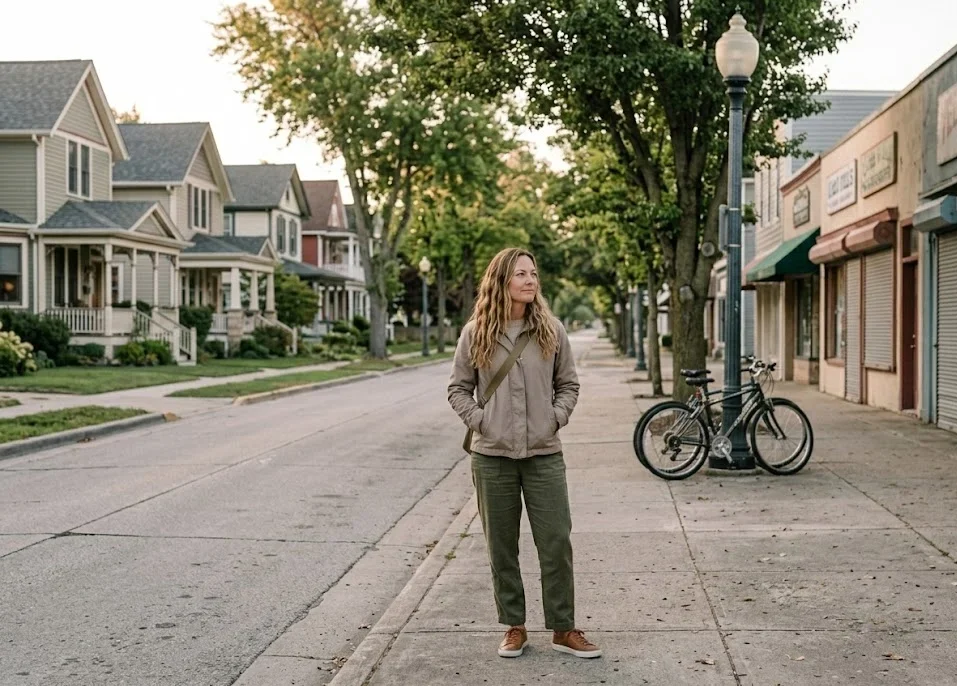
A few years ago, I booked a solo trip because I felt completely drained. Work pressure had built up, my sleep was poor, and my mind felt crowded. Traveling alone seemed like the right answer. However, I planned too much, stayed in a noisy area, and rushed through each day. As a result, I returned home feeling even more tired.
That experience changed how I view solo travel. Since then, I have taken several quiet trips across the United States, both short breaks and longer stays. Over time, one lesson became clear. Relaxation does not come from distance or luxury. Instead, it comes from the right environment and a slower pace. That is what defines truly relaxing solo vacations.
Beach and Warm Weather Escapes
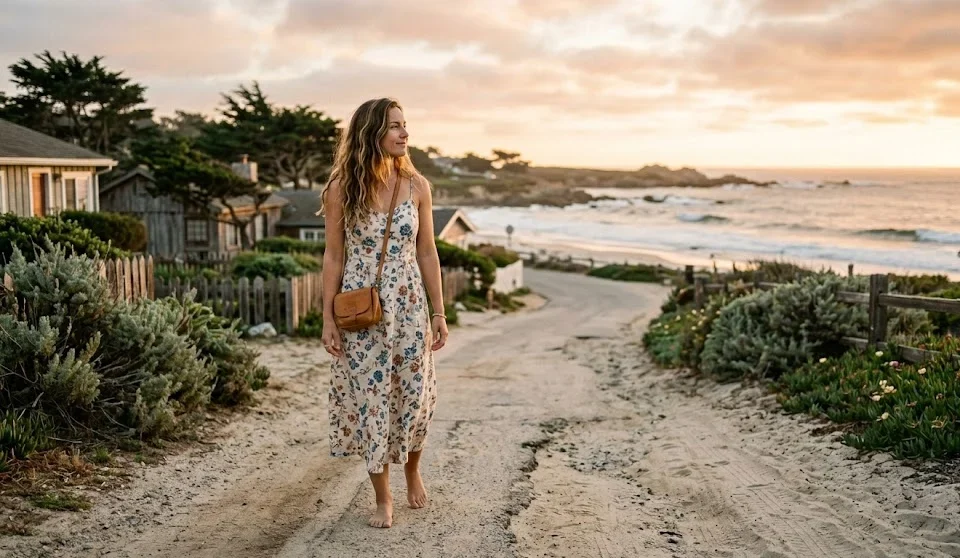
Warm weather has a natural calming effect. Sunlight lifts mood, and fresh air helps the body settle. Still, not every beach destination supports rest. Busy resort towns often bring noise and crowds. Therefore, choosing a quiet coastal area matters.
Small beach towns allow slow walks, peaceful mornings, and quiet evenings. In addition, fewer distractions mean less planning. As a result, beach-focused relaxing solo vacations work best in places where doing nothing feels normal rather than wasteful.
Mountain and Nature Retreats
Nature creates space for the mind. Mountains, forests, and lakes reduce daily noise and mental clutter. Because distractions are limited, thoughts slow down naturally. For this reason, many people choose nature trips during emotional or mental fatigue.
These trips do not require intense hiking or packed activity. Instead, gentle walks, scenic drives, and fresh air are enough. Meanwhile, cooler nights often improve sleep quality. Compared to city travel, nature demands less effort and fewer decisions.
Cozy Small-Town Solo Trips
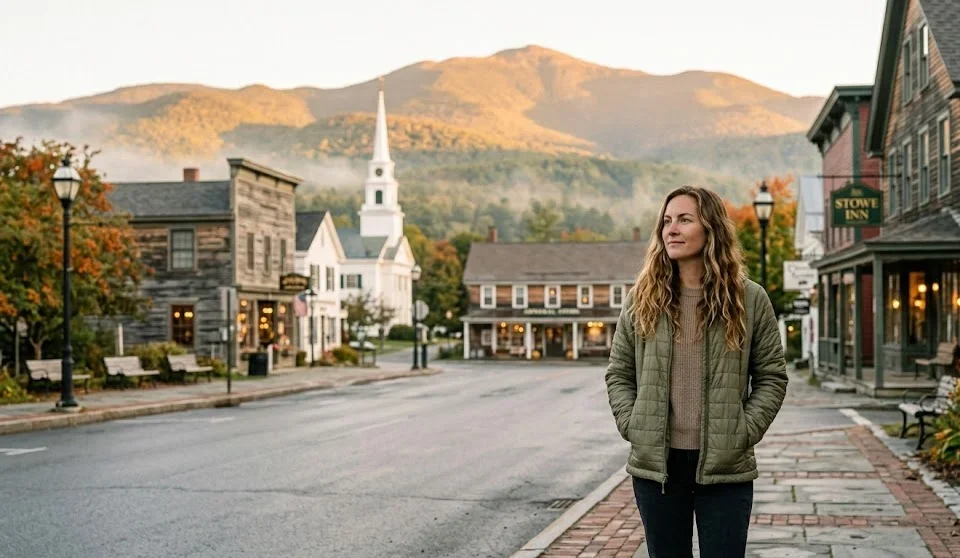
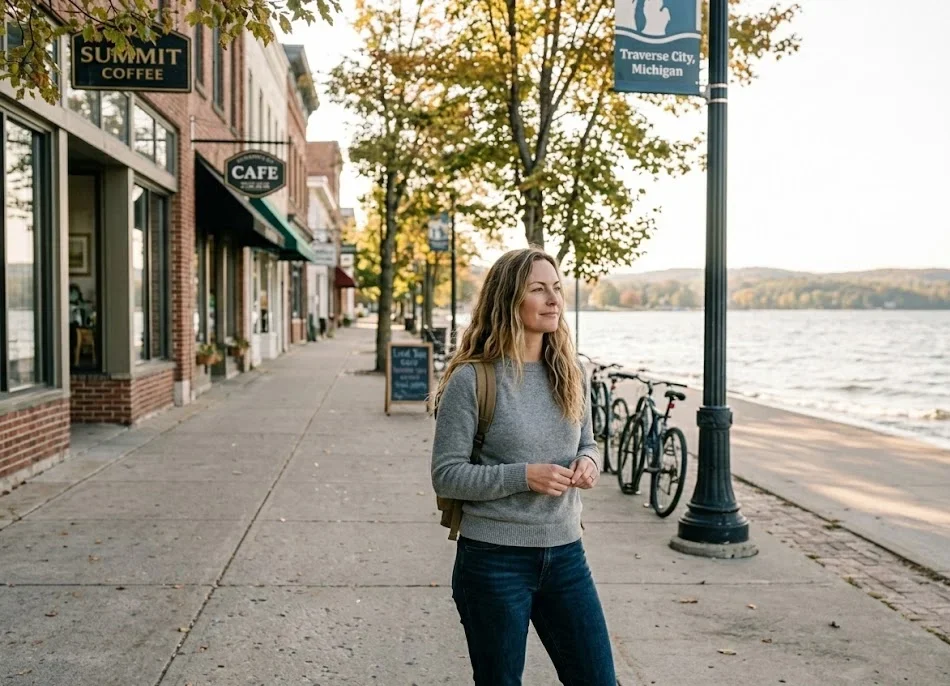
Small towns offer balance. They are lively enough to feel safe but calm enough to avoid stress. Because most areas are walkable, travel feels easy and controlled.
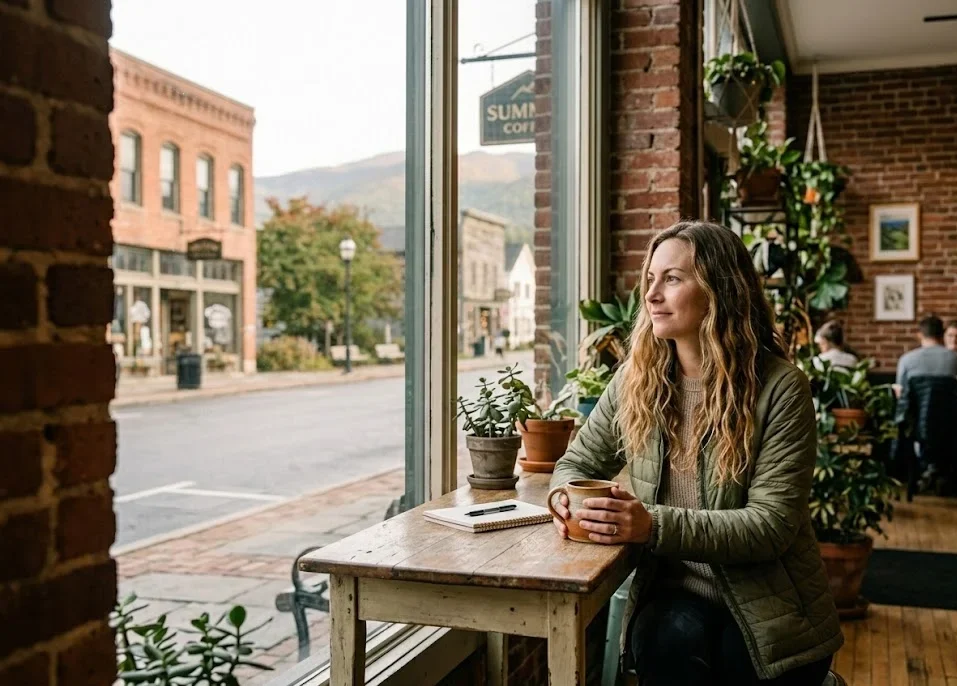
Local cafés, bookstores, and quiet streets give structure without pressure. For example, mornings can begin with coffee, followed by a walk and time to read. Afterward, evenings remain calm and predictable. As a result, small-town travel suits introverts and first-time solo travelers especially well.
Wellness and Spa-Focused Trips
Some trips focus fully on rest. Wellness stays prioritize sleep, body care, and calm routines. Consequently, they suit travelers dealing with burnout or long-term stress.
Spa towns and retreat-style stays remove many daily choices. Meals may be planned, and quiet time is encouraged. Therefore, mental load drops quickly. Although these trips can cost more, the value comes from how little effort they require.
From experience, wellness-based relaxing solo vacations often create the strongest physical reset. Rest becomes the main purpose, not an afterthought.
Budget-Friendly Peaceful Travel
Peaceful travel does not need to be expensive. Many quiet destinations remain affordable, especially outside peak seasons. Because of this, planning stays flexible and realistic.
Drivable locations reduce costs and stress. Likewise, cabins and small inns usually cost less than large hotels. When combined with off-season timing, expenses stay manageable. As a result, budget-friendly relaxing solo vacations remain accessible.
Simple activities also help. Scenic drives, lakeside walks, and reading outdoors cost nothing yet support rest.
Comparison Table: Types of Relaxing Solo Vacations
| Travel Type | Best For | Experience | Cost Level |
|---|---|---|---|
| Beach Getaway | Warmth and rest | Sun, walks, quiet mornings | Medium |
| Mountain Escape | Mental space | Fresh air, views, silence | Medium |
| Small Town Trip | Comfort and safety | Cafés, books, walking | Low to Medium |
| Spa Retreat | Deep rest | Massage, sleep, calm days | High |
| Budget Road Trip | Affordable peace | Scenic drives, cabins | Low |
Planning Without Stress
Planning style shapes the outcome. Over-planning creates tension, even in quiet places. For that reason, keeping plans light improves the experience.
Limit daily goals. Leave open time. Choose walkable areas to avoid transport issues. In addition, traveling during shoulder seasons helps avoid crowds.
If visiting parks or nature areas, basic preparation matters. The National Park Service trip planning and safety tips offer simple guidance that supports calm and prepared travel.
Staying Comfortable While Alone
Being alone does not mean feeling lonely. Structure makes a difference.
Morning routines, café visits, and light walks create rhythm. Public spaces offer quiet presence without forced interaction. Over time, comfort grows naturally.
From personal experience, the quiet moments became the most valuable. Silence allowed reflection, and reflection brought clarity.
FAQs
In many parts of the USA, yes. Staying in central areas, booking well-reviewed places, and following basic safety habits helps maintain peace of mind.
They do not have to be. Small towns, nature trips, and off-season travel can be very affordable.
Three to five days is often enough to reset mentally if the trip is slow and well planned.
Yes. Quiet destinations with walkable areas and simple plans help first-time travelers feel safe and comfortable while traveling alone.
Conclusion
After years of solo travel and writing about travel planning, one truth stands out. People are not seeking more activity. They want relief from constant noise and demand. The most effective relaxing solo vacations succeed because they remove pressure rather than add excitement.
The trips that helped me most were not far away or expensive. They were slow, intentional, and built around rest. With the right place and mindset, solo travel becomes more than a break. It becomes a reset that lasts long after the trip ends.
