

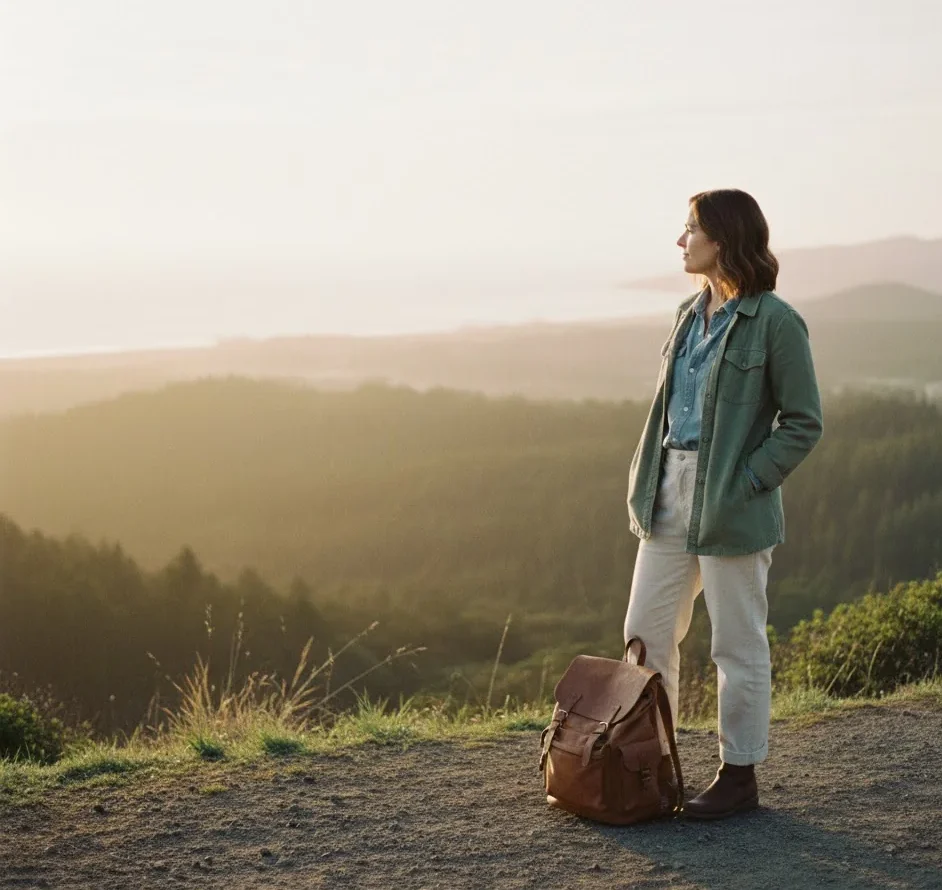
After long work weeks and constant noise, many people reach a point where even planning a trip feels heavy. Instead of excitement, there is hesitation. Instead of joy, there is worry about crowds, stress, and coming back more tired than before. Because of that, the idea of Relaxing Solo Vacations in the US has grown steadily among travelers who want peace, not pressure.
From personal experience, the calmest solo trips are not about doing more. Rather, they are about removing friction. On one quiet trip inside the US, the biggest relief came from simple days with no fixed plans. As a result, mental space returned naturally. That moment shaped how solo travel should feel when rest is the goal.
Is This Style of Travel a Good Fit?
Solo trips focused on calm suit people who value quiet time. For instance, travelers who enjoy slow mornings and flexible days often adjust easily. In contrast, those who rely on constant activity may feel unsettled.
At the same time, independence plays a role. Since decisions stay simple, energy is saved. Therefore, the trip feels lighter from the start. Above all, the goal is comfort, not performance.
What Relaxation Really Means While Traveling Alone
Relaxation during solo travel does not mean isolation. Instead, it means balance. For example, safe surroundings, easy movement, and low noise levels often matter more than attractions.
Moreover, decision fatigue drops when schedules stay loose. Consequently, mental rest becomes possible. In addition, places that support walking, short outings, and early evenings help maintain calm throughout the stay.
Common Types of Relaxing Solo Trips
Quiet Coastal Towns
Small beach towns support slow routines. For example, walks by the water and quiet cafes allow solo travelers to blend in naturally. Meanwhile, evenings stay peaceful.
Small Mountain Towns
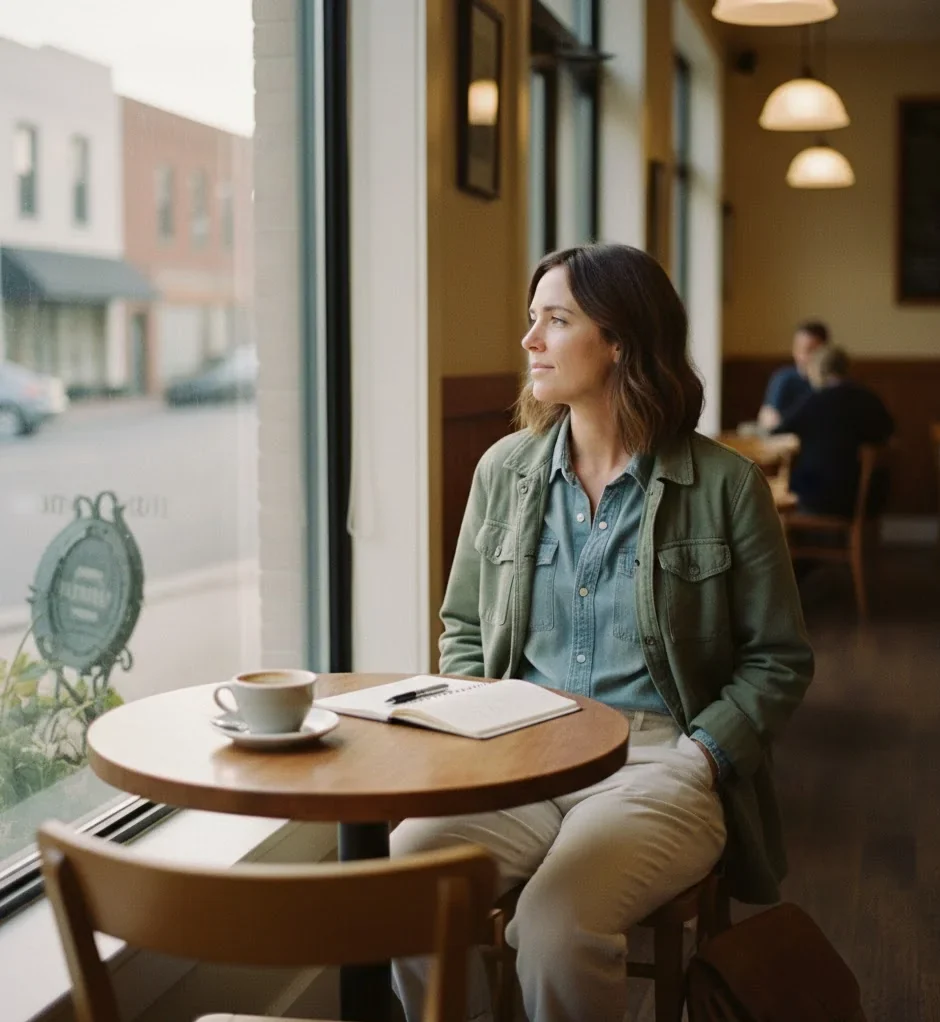
Mountain areas offer cooler air and scenic views. As a result, short walks and relaxed meals feel satisfying. Likewise, local cafes provide comfort without pressure.
Calm National Park Areas
Some park regions stay quiet outside peak seasons. Therefore, scenic drives and brief trails work well. In other words, nature does the heavy lifting.
Importantly, travelers looking for calm outdoor spaces can rely on official guidance from the National Park Service, which provides accurate information on park seasons, crowd patterns, and less-visited areas across the country. This helps solo travelers choose locations that stay peaceful rather than overwhelming.
Walkable, Low-Stress Cities
Certain cities feel easy alone. For instance, good public transport and relaxed neighborhoods reduce planning stress. As a result, days feel predictable in a good way.
Wellness-Focused Locations
Wellness towns center around rest. Consequently, simple routines, spa visits, and quiet lodging support mental recovery.
Altogether, these options define Relaxing Solo Vacations in the US for travelers who want calm above all else.
What a Calm Solo Day Often Looks Like
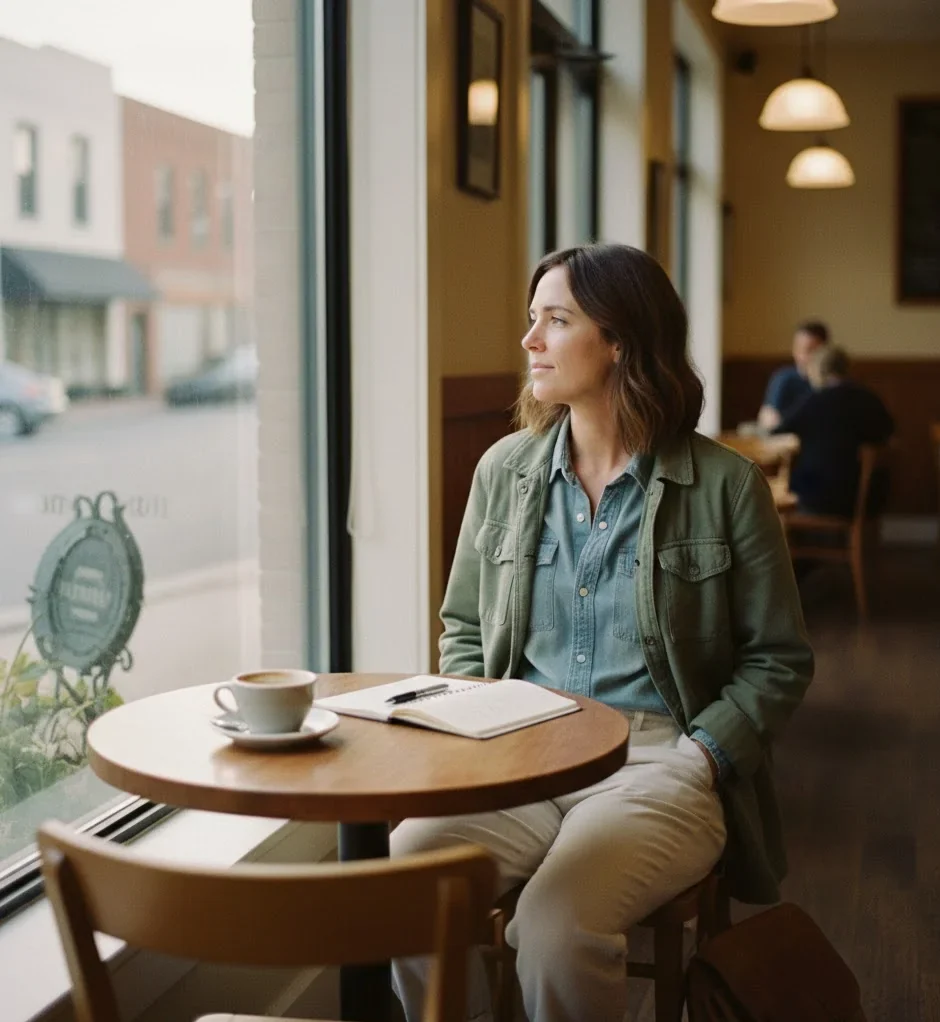
Most relaxing days share a gentle rhythm. First, mornings begin without alarms. Then, breakfast stays simple. After that, time passes through walks, reading, or quiet observation.
Meanwhile, activity remains optional. As a result, energy levels stay balanced. Eventually, evenings slow down naturally. In short, the day supports rest without effort.
Safety Without Creating Fear
Safety supports relaxation when it feels routine. For example, staying in well-reviewed areas reduces stress. Likewise, keeping phones charged and sharing plans with someone at home adds comfort.
However, constant worry ruins calm. Therefore, experienced solo travelers rely on habits, not fear. In the end, peace depends on confidence more than caution.
Cost and Planning Expectations
Relaxing trips often cost less. For instance, staying in one place reduces transport expenses. Similarly, traveling outside busy seasons lowers prices.
As a result, planning stays simple. Moreover, fewer activities mean fewer decisions. Because of that, Relaxing Solo Vacations in the US remain accessible for many budgets.
Starting Small as a First-Time Solo Traveler
First experiences matter. Therefore, short trips work best. For example, three to five days allow adjustment without pressure.
In addition, familiar settings reduce anxiety. Over time, confidence grows. Consequently, longer trips feel easier later on.
Who Benefits Most From This Travel Style
This approach suits busy professionals, introverted travelers, remote workers, and people feeling mentally drained. Likewise, anyone seeking quiet time often connects with this pace.
Most importantly, choosing calm is not avoidance. Instead, it is intentional care. That mindset defines Relaxing Solo Vacations in the US at their best.
Conclusion
After years of observing solo travel behavior and reflecting on personal trips, one pattern stays clear. The most meaningful journeys are rarely crowded or rushed. Instead, they are quiet, steady, and gentle on the mind.
From experience and long-term research, the success of Relaxing Solo Vacations in the US depends on realistic expectations. Comfort matters more than coverage. When the environment supports calm, solo travel becomes restorative rather than demanding.
FAQs
Yes. When calm destinations and basic safety habits are chosen, most travelers feel comfortable.
For many, quiet feels freeing. As a result, loneliness is less common in peaceful settings.
Short trips work well at first. Later, longer stays may feel more natural.
Minimal planning works best. Flexibility often supports relaxation.
Not necessarily. Slow travel and off-season timing often reduce costs.
