

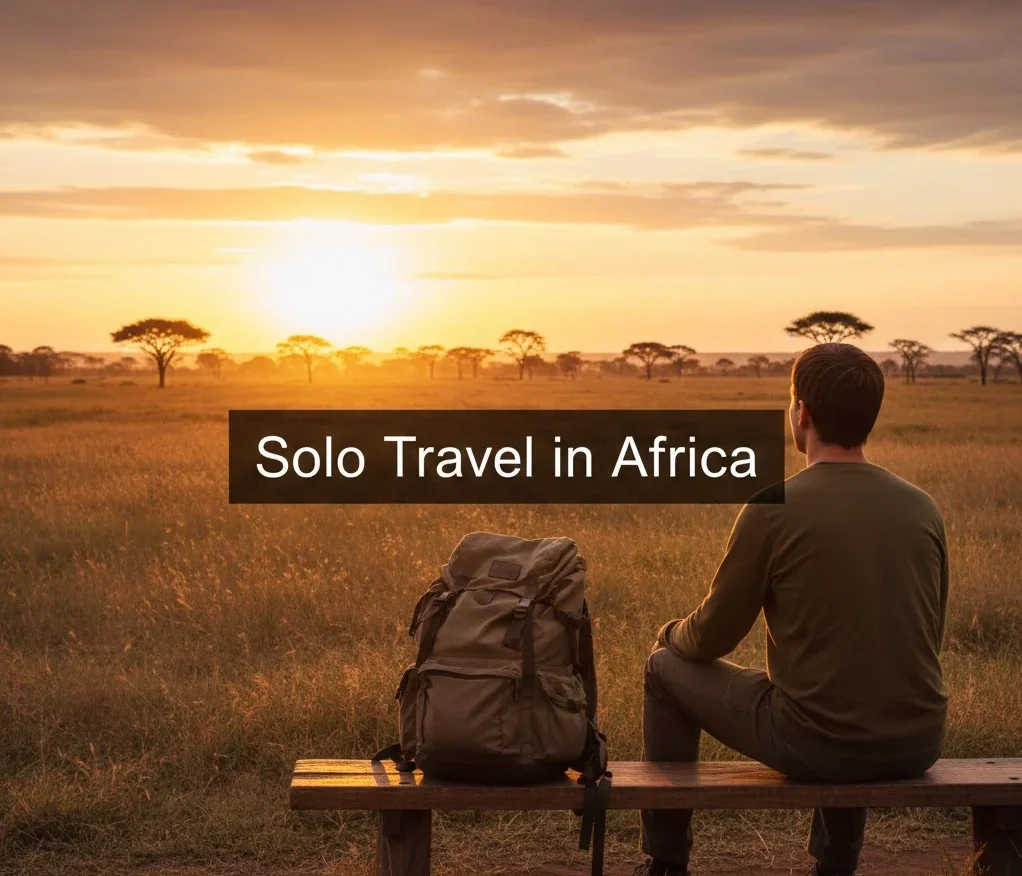
The thought of traveling alone across Africa often creates mixed emotions. Excitement shows up quickly. Doubt usually follows. Many people in the US feel unsure because online advice feels extreme or unclear. That same confusion appeared during my early research phase, long before routes or budgets came into focus.
After reviewing traveler reports, safety guidance, and first-hand accounts, a clear pattern appeared. Solo travel in Africa is realistic when planning is thoughtful and expectations stay grounded. This guide is written to replace fear with clarity and to share research-backed insight that helps travelers prepare with confidence.
Is Africa Safe for Independent Travelers?
Safety varies widely across the continent. Countries differ. Cities differ. Even neighborhoods feel different.
However, many independent travelers visit Africa each year without serious issues. In most cases, problems arise when local advice is ignored or plans are rushed. Tourist zones, national parks, and known travel routes tend to remain calm and organized.
For official, country-specific safety updates, travelers should always review the U.S. Department of State travel advisories before planning routes or accommodations.
As a result, simple habits matter:
- Staying in well-reviewed areas
- Using transport arranged by accommodations
- Avoiding late-night walks alone
- Keeping valuables discreet
Therefore, awareness plays a bigger role than fear.
Regions That Work Well for Solo Trips
Africa is diverse, so starting in the right region helps.
East Africa
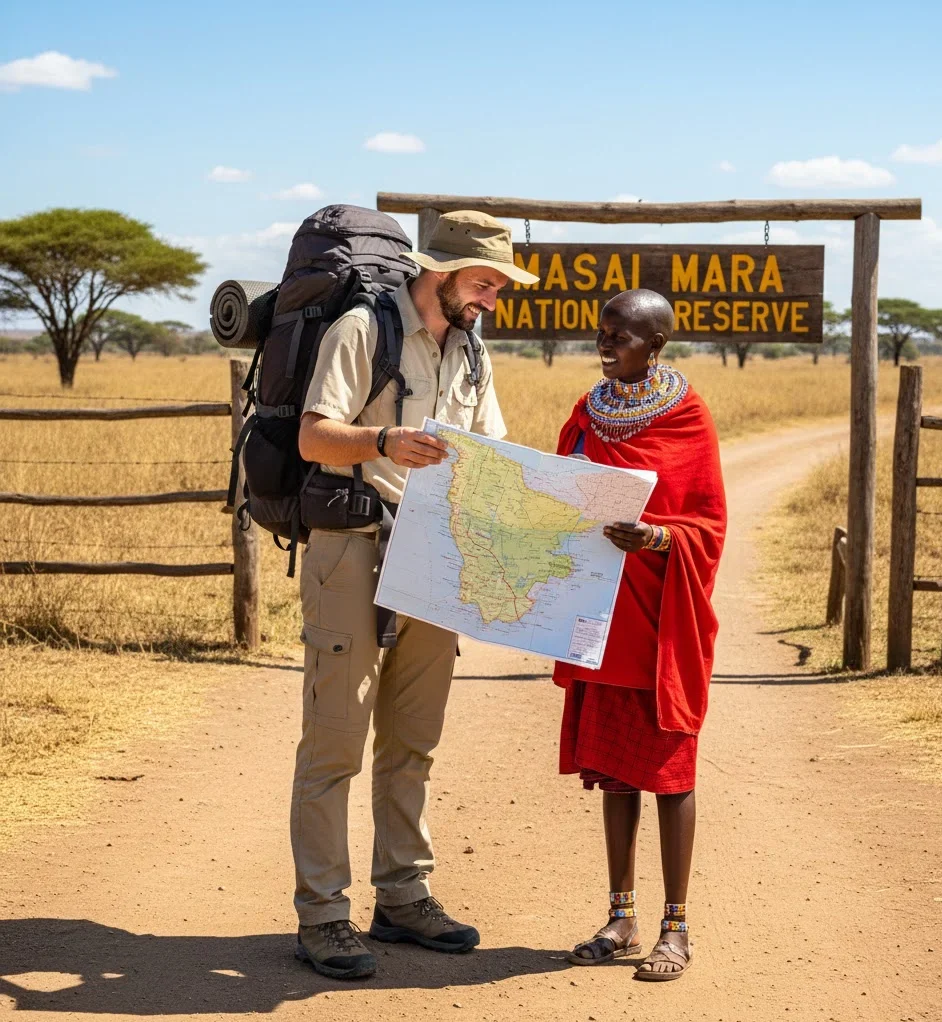
East Africa often suits first-time travelers. Tourism is well developed, and travel routes are clear. For example, Kenya and Tanzania combine wildlife, cities, and beaches. Because of this balance, many travelers feel comfortable there early on.
Southern Africa
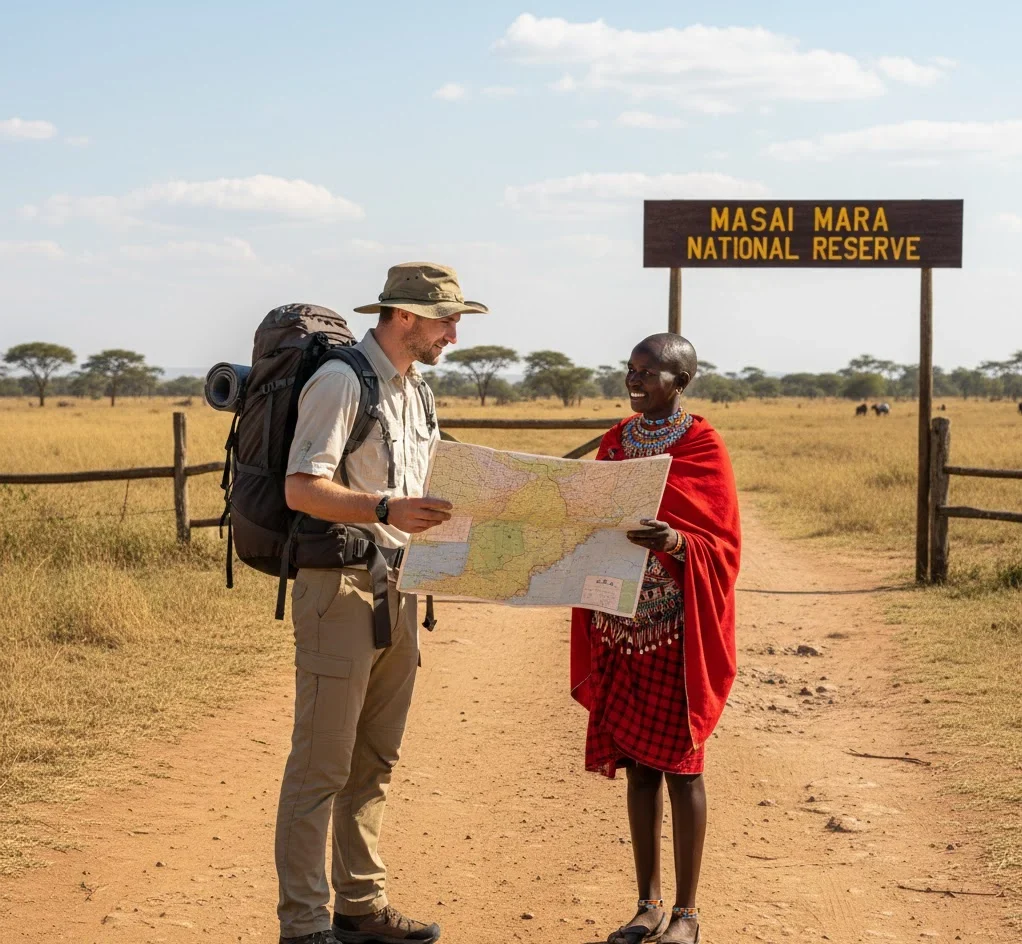
Southern Africa feels structured and calm. Namibia and Botswana are often described as stable and easy to move through. In contrast to busier regions, distances are longer but travel feels predictable.
North Africa
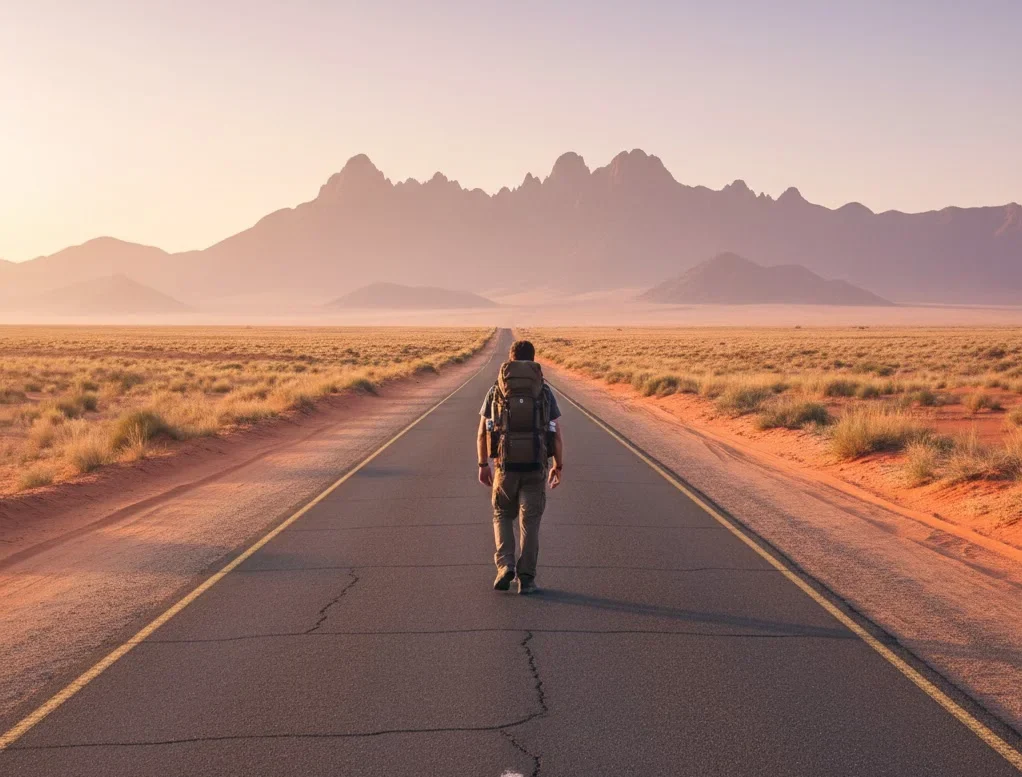
North Africa attracts culture-focused travelers. Morocco stands out due to strong tourism and clear transport options. Meanwhile, historic cities and guided routes simplify planning.
Choosing Destinations by Travel Style
Matching location with travel style makes a difference.
Wildlife and Nature
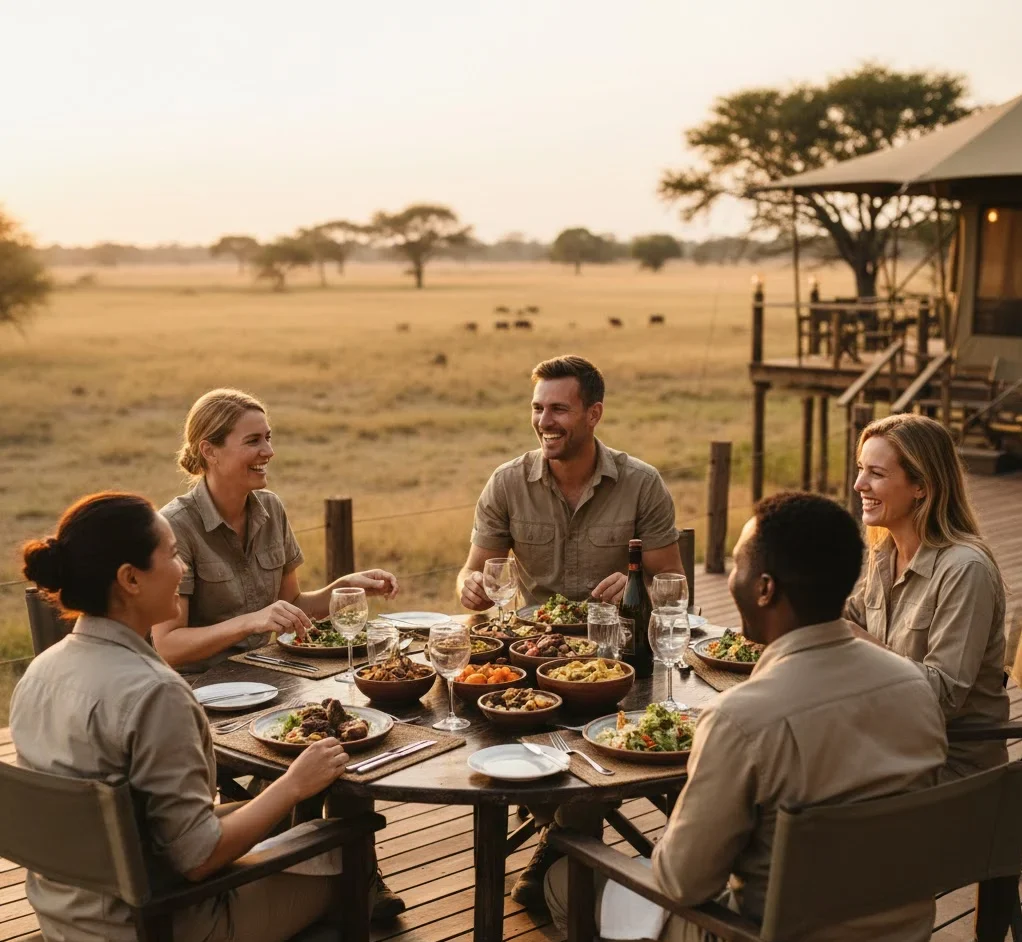
Safaris and national parks work well for solo visitors. Group safaris reduce costs and improve safety. In addition, shared experiences often lead to social connection.
Cities and Culture
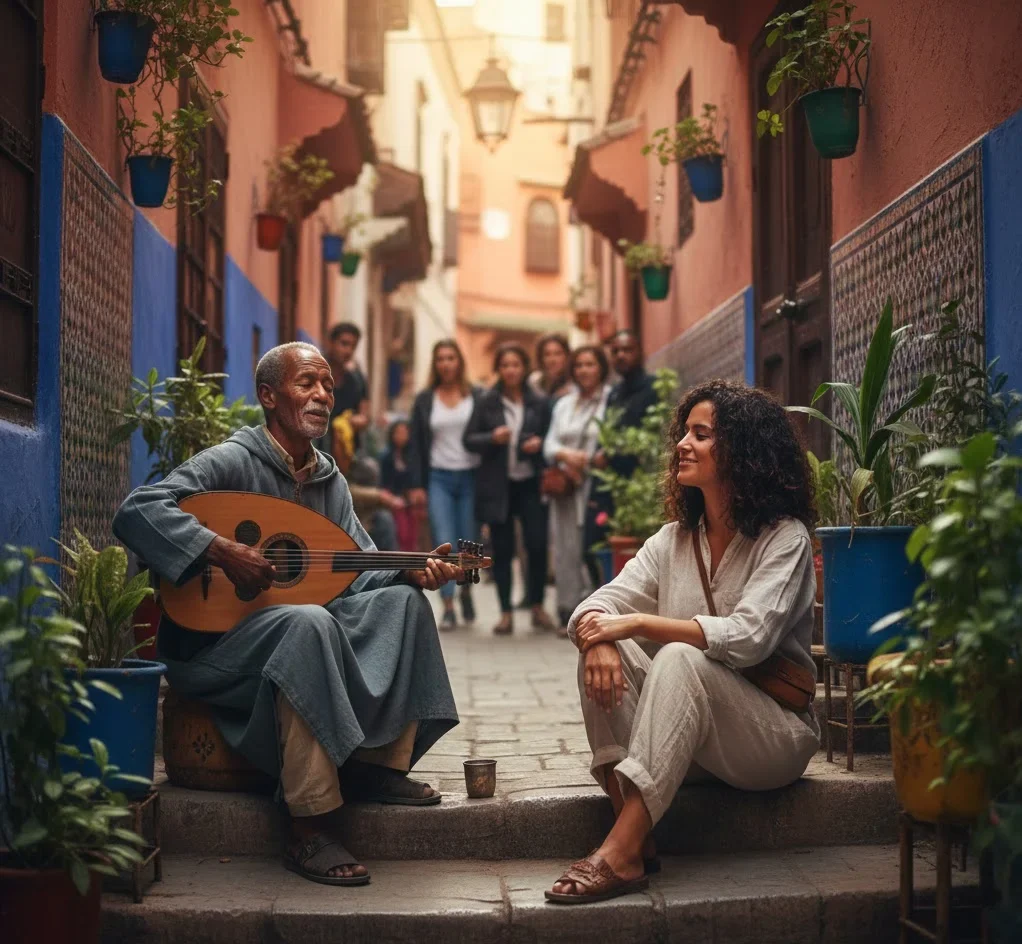
Large cities offer hostels, cafes, and walking tours. As a result, meeting people feels natural. Likewise, guided city tours provide structure without pressure.
Beaches and Slow Travel
Beach towns attract long-stay travelers. Life moves slower there. Consequently, daily costs stay lower, and routines feel relaxed.
Moving Around Without Stress
Transport concerns often appear early in planning. Still, options are clear once understood.
Most travelers rely on:
- Domestic flights for long distances
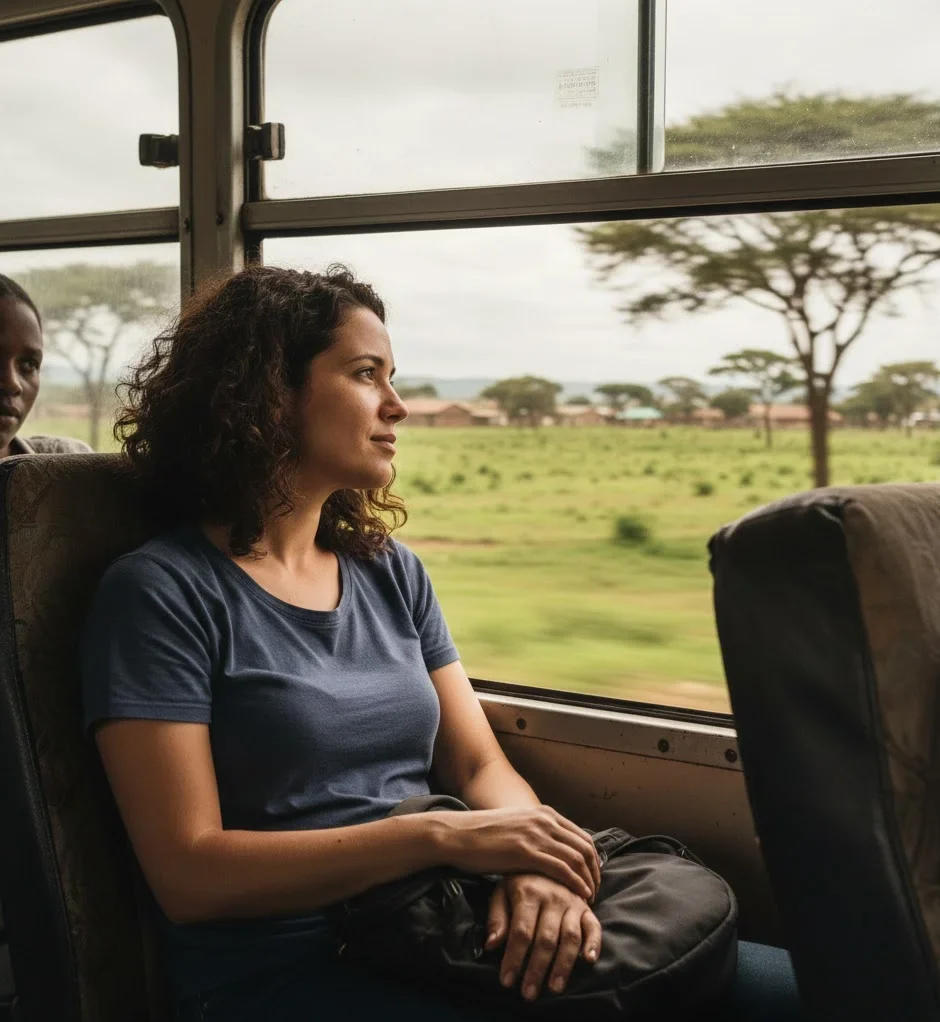
- Buses or shared vans for short routes
- Guided tours for remote areas
In many cases, accommodations help arrange drivers. Therefore, stress decreases and safety improves. Instead of random street taxis, trusted options offer peace of mind.
Understanding Costs Before You Go
Budgets vary, yet Africa fits many travel styles.
General cost patterns look like this:
- Budget trips focus on hostels and buses
- Mid-range travel includes guesthouses and flights
- High-end travel centers on lodges and private guides
Meanwhile, East and Southern Africa remain easier to budget than remote zones. Food and local transport often cost less than in the US. As a result, daily expenses feel manageable.
Solo Female Travel Considerations
Many women travel independently across Africa each year.
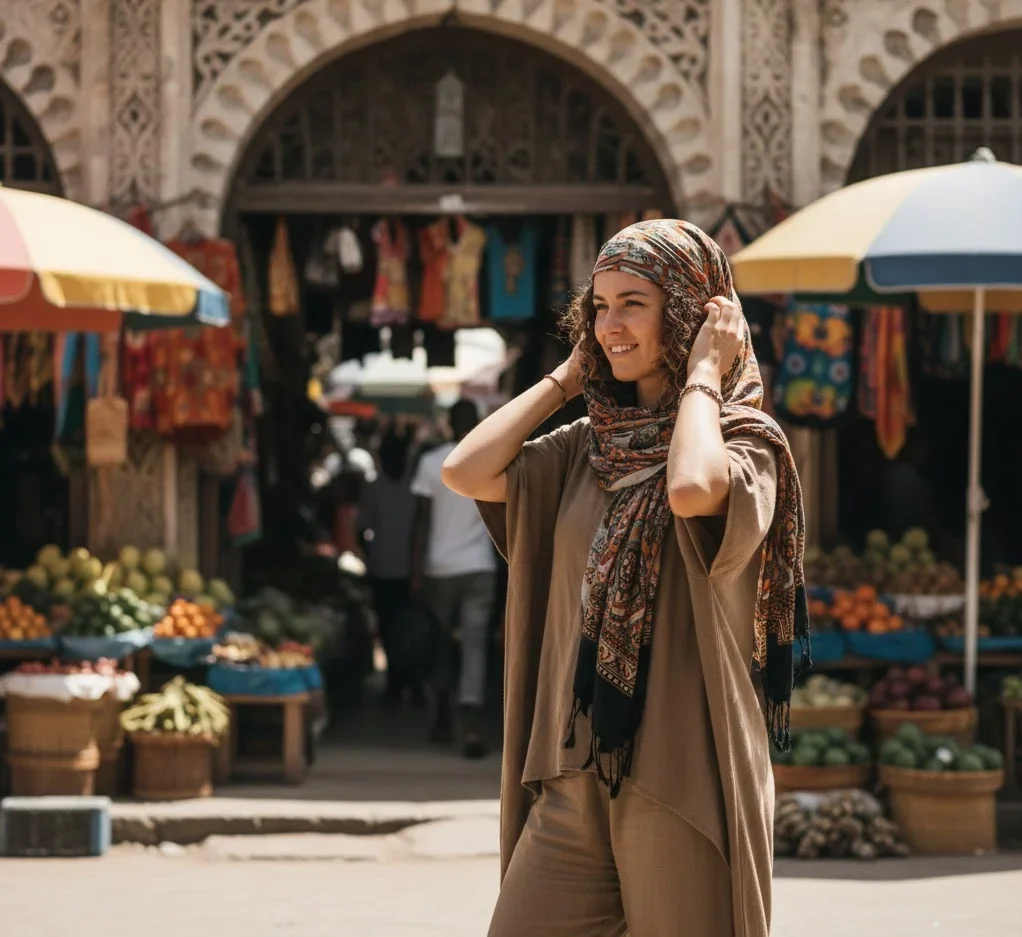
In conservative areas, modest clothing helps reduce attention. On the other hand, beach towns and large cities feel relaxed. Confidence and awareness matter more than strict rules.
Helpful habits include:
- Using transport arranged by stays
- Limiting personal details shared with strangers
- Trusting instincts
- Staying calm in public spaces
Therefore, preparation supports comfort and safety.
Meeting People Along the Way
Traveling alone does not mean staying isolated.
Connections often happen through:
- Hostels and guesthouses
- Group safaris or day tours
- Local activities or classes
Overland tours, for example, attract social travelers. Similarly, shared experiences create easy conversation.
Common Challenges to Expect
Africa feels different from the US or Europe.
Travelers may notice:
- Language gaps
- Slower service speeds
- Internet limits in rural areas
- Occasional power cuts
Nevertheless, flexibility helps. Over time, most travelers adjust quickly. As a result, patience becomes part of the experience.
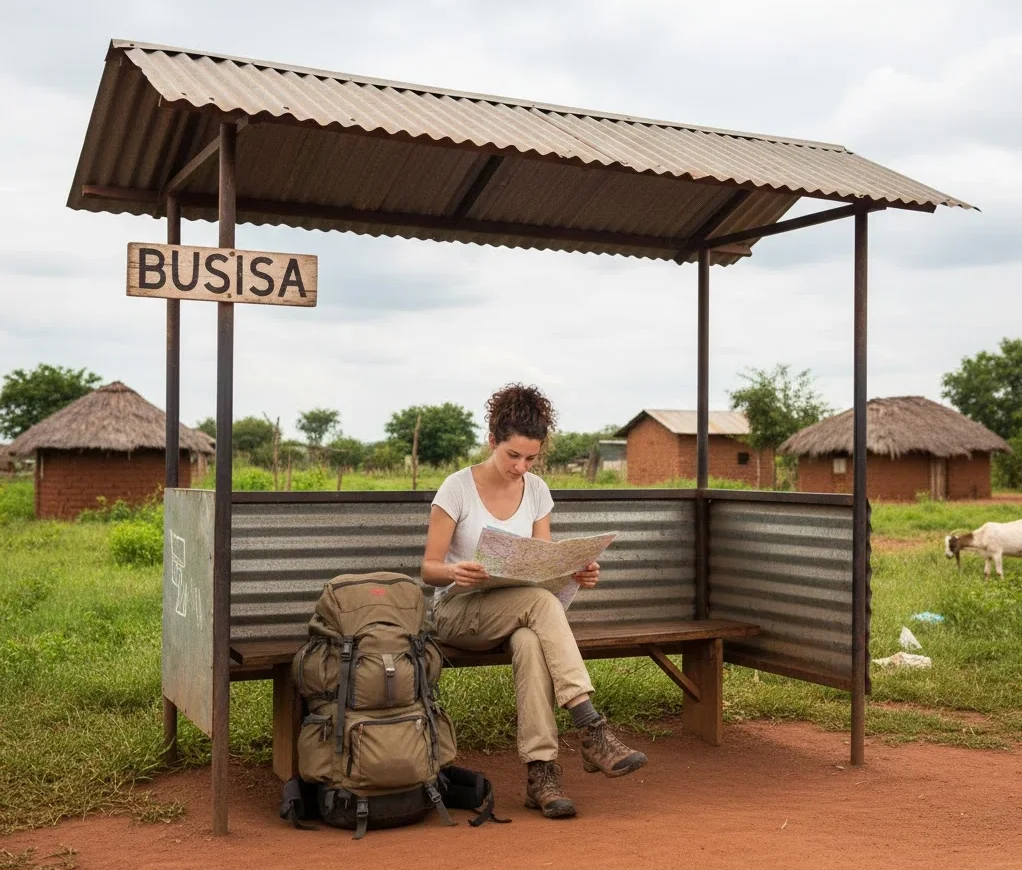
Health, Visas, and Basic Preparation
Preparation reduces stress later.
Before leaving:
- Review vaccine guidance
- Purchase travel insurance
- Check visa rules by country
- Keep copies of documents
Many countries offer eVisa or visa on arrival. However, rules change, so checking official sources remains important.
Frequently Asked Questions
Yes. Starting in East or Southern Africa works well.
Not always. Tours help in remote areas but remain optional in cities.
Ten to fourteen days offers balance.
Yes. Guesthouses and hostels are common in travel areas.
Experience Of My Life
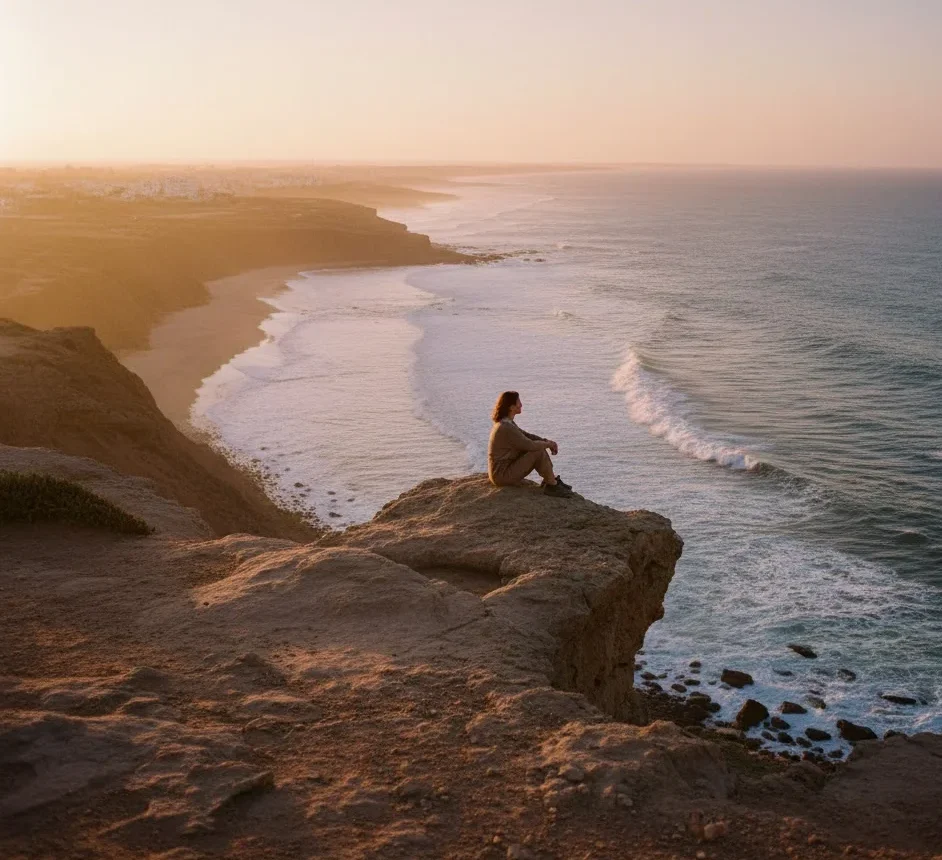
Through research, traveler feedback, and careful planning insight, one point remains consistent. Solo travel in Africa rewards those who prepare and stay aware. While each country feels different, smart choices create smooth experiences.
At Travelist Corner, guides are built on research and traveler-focused insight. This page reflects how solo travel in Africa works in real conditions, not through extremes. With planning, respect, and flexibility, the journey becomes meaningful, safe, and memorable.
