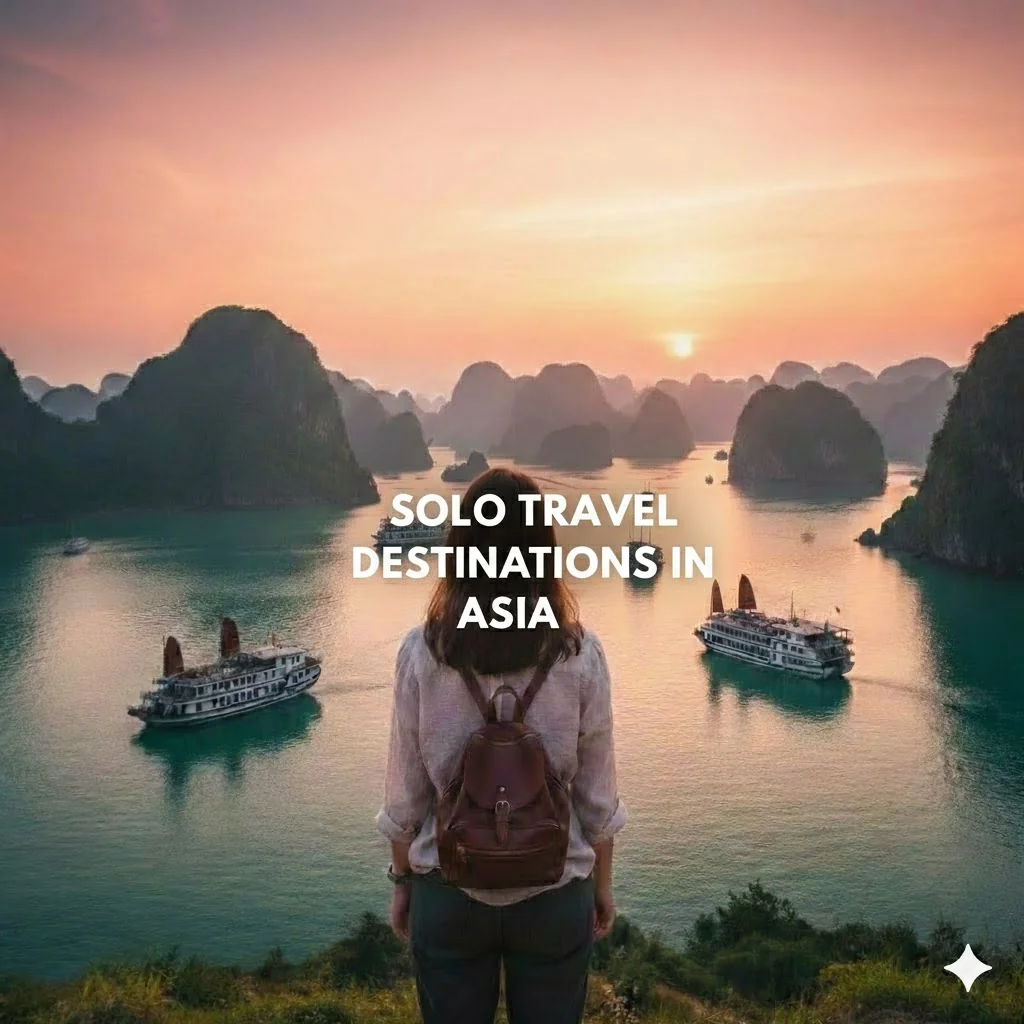
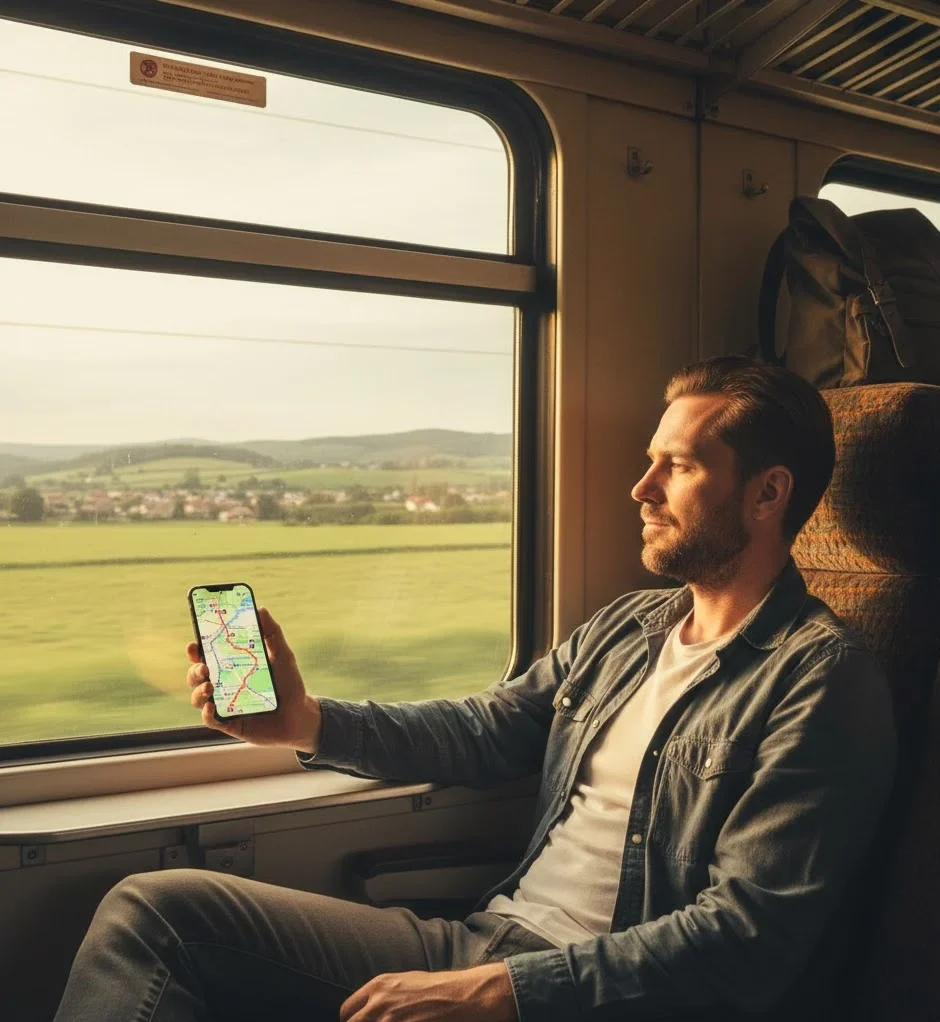
The idea of traveling alone across Asia often begins with excitement. Soon after, worry steps in. Questions about safety, culture, and daily life feel overwhelming. Many travelers search for help, yet most guides only list destinations without explaining what truly makes a solo trip work.
After studying real travel routes, reviewing traveler feedback, and learning from shared experiences across travel communities, one truth stands out. Solo Travel in Asia is not about being fearless. Instead, it works best with clear planning and honest expectations. Once the basics are understood, the journey feels far less stressful and far more rewarding.
Travel alone teaches you one simple truth: you are more capable than you think.
Is Solo Travel Safe Across Asian Countries?
Safety is usually the first concern. Thankfully, many Asian destinations are known for low violent crime and strong public transport systems. As a result, solo travelers often feel supported rather than exposed.
That said, safety changes by place. Large cities and tourist areas offer better lighting, transport, and help. Meanwhile, smaller towns require more awareness. Still, simple habits matter. Staying central, using trusted transport, and keeping documents secure reduce risk greatly.
For the most accurate and current updates, checking official US travel advisories for Asian countries is strongly recommended. These advisories cover entry rules, safety notes, and local conditions.
Many solo female travelers report feeling comfortable in countries like Japan and Taiwan. Therefore, preparation matters more than fear.
Destinations That Work Well for Solo Travelers
Japan
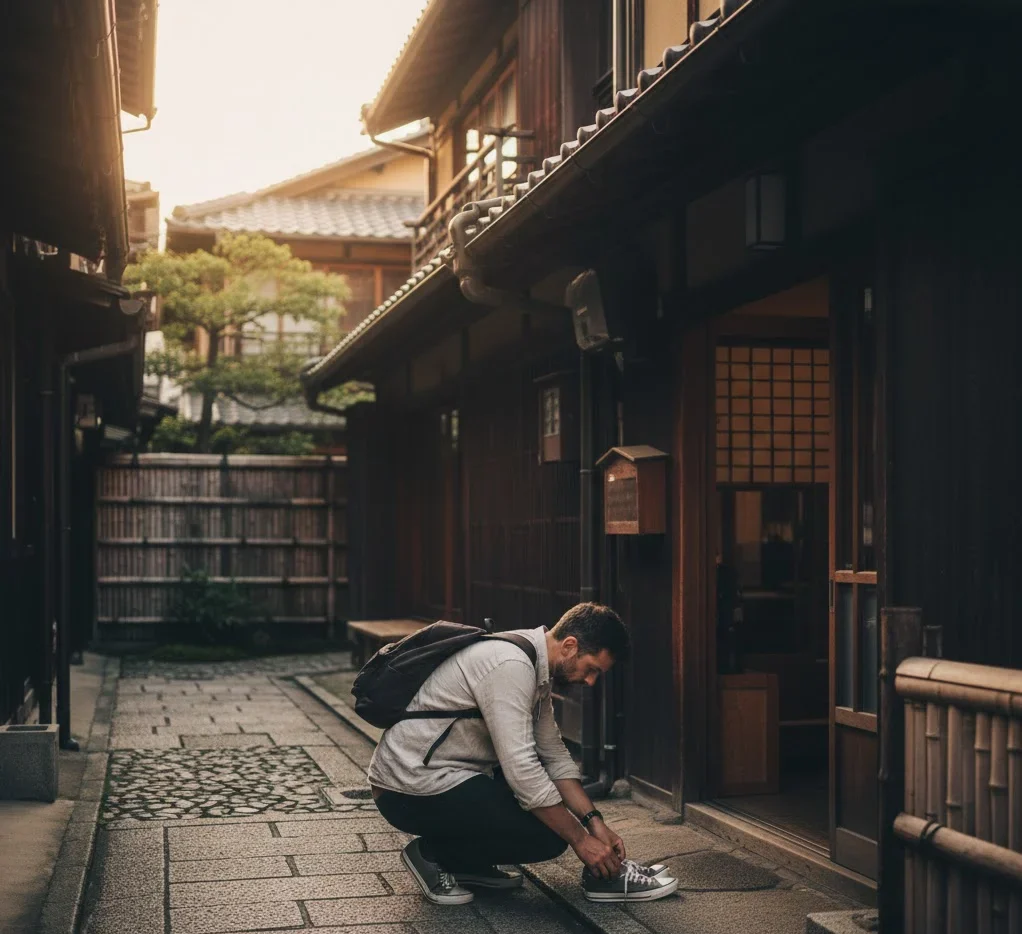
Japan offers structure and clarity. Trains arrive on time. Streets stay clean. Social rules are clear. Because of this, confusion stays low for solo travelers.
Cities such as Tokyo and Kyoto balance tradition with modern life. Although costs run higher, comfort often balances the expense.
Japan offers structure, safety, and clear travel systems for solo travelers.
Thailand
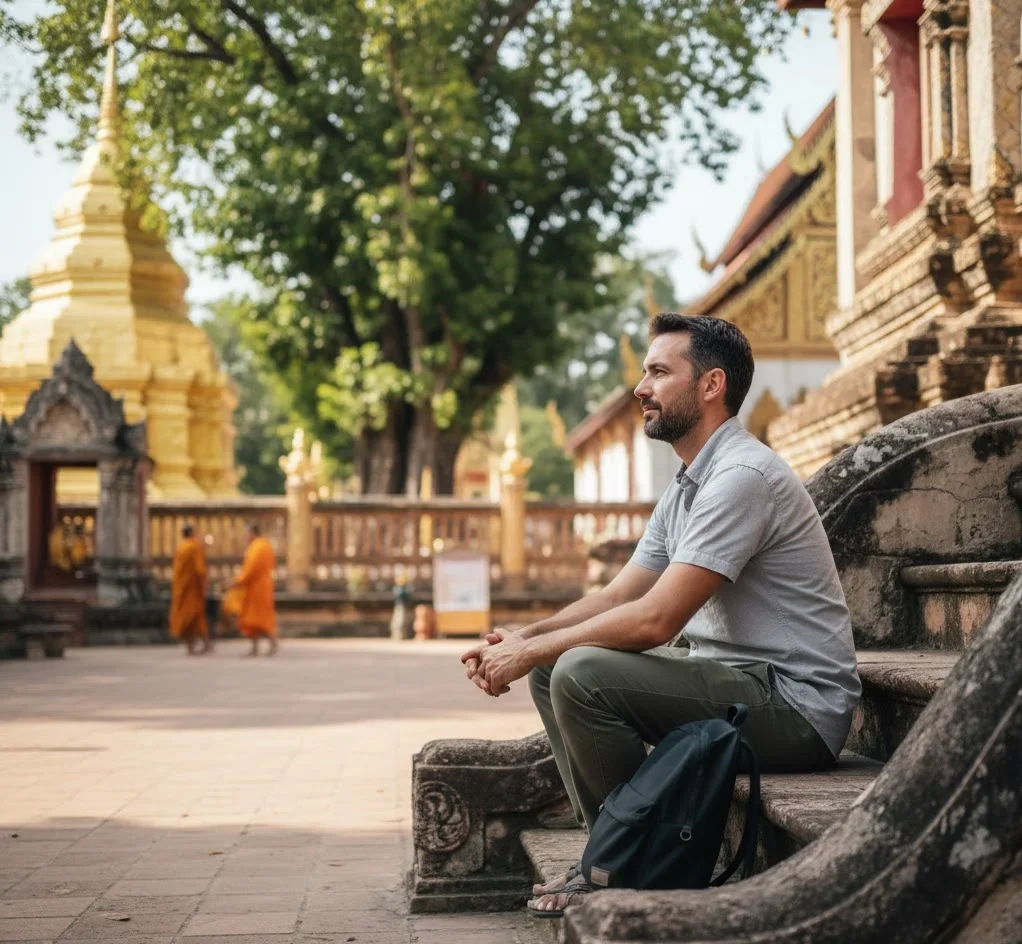
Thailand remains a favorite among solo travelers. Affordable food and strong travel routes make daily planning easier.
Chiang Mai feels relaxed and welcoming. In contrast, Bangkok delivers energy and variety. Since transport links are strong, moving around feels simple.
Thailand combines affordability with a welcoming solo travel culture.
Vietnam
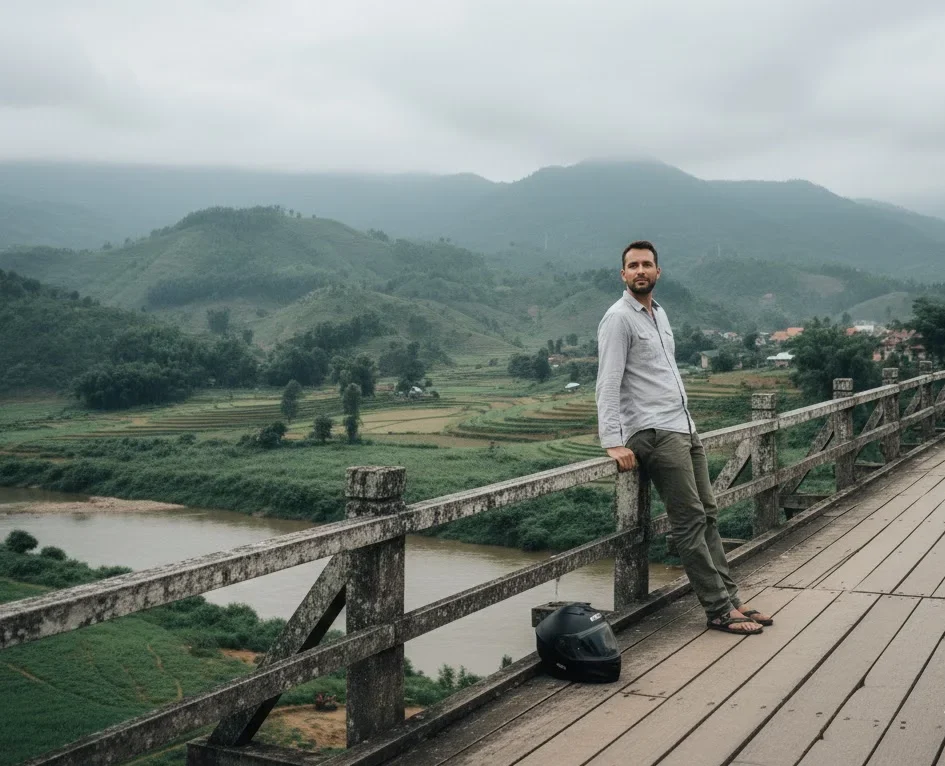
Vietnam blends culture with value. Food costs little. Transport stays affordable. Therefore, flexibility remains high.
Hanoi attracts social travelers. Meanwhile, the Ha Giang Loop draws adventure seekers. Guided options help beginners join safely.
Vietnam blends culture, value, and flexible solo travel routes.
Pakistan
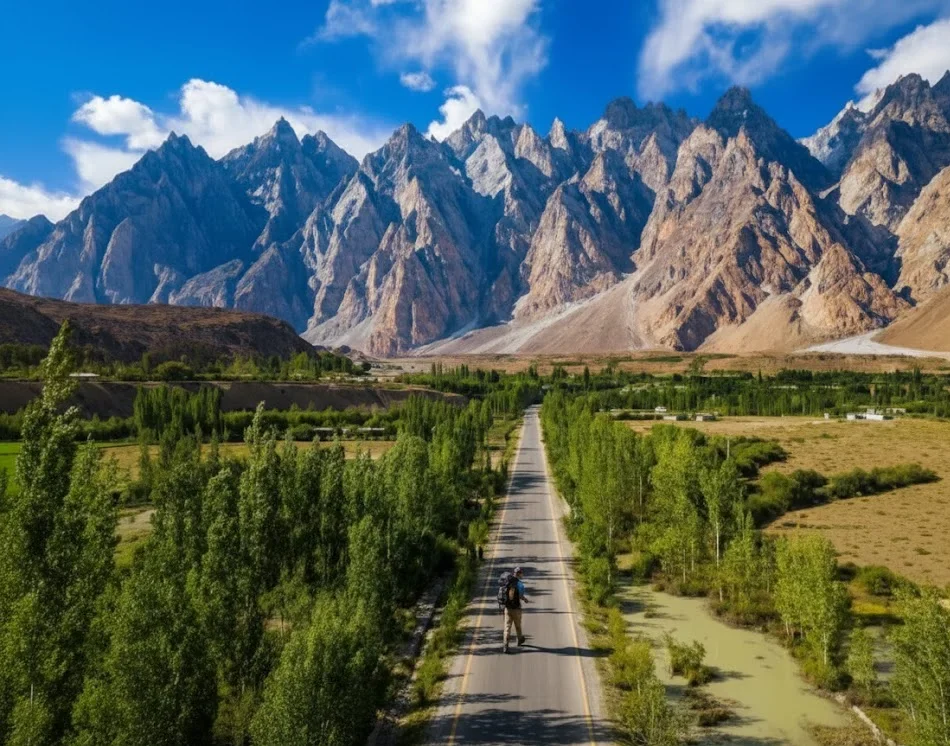
Pakistan is one of the best places to visit in the world for travelers who enjoy culture, scenery, and local life. While it is less common on travel lists, solo travelers who visit often describe it as welcoming and respectful.
Islamabad feels calm and organized. Lahore adds history and food culture. In the north, Hunza Valley is known for mountain views and a strong sense of community.
Pakistan offers culture, scenery, and meaningful experiences for solo travelers.
Taiwan
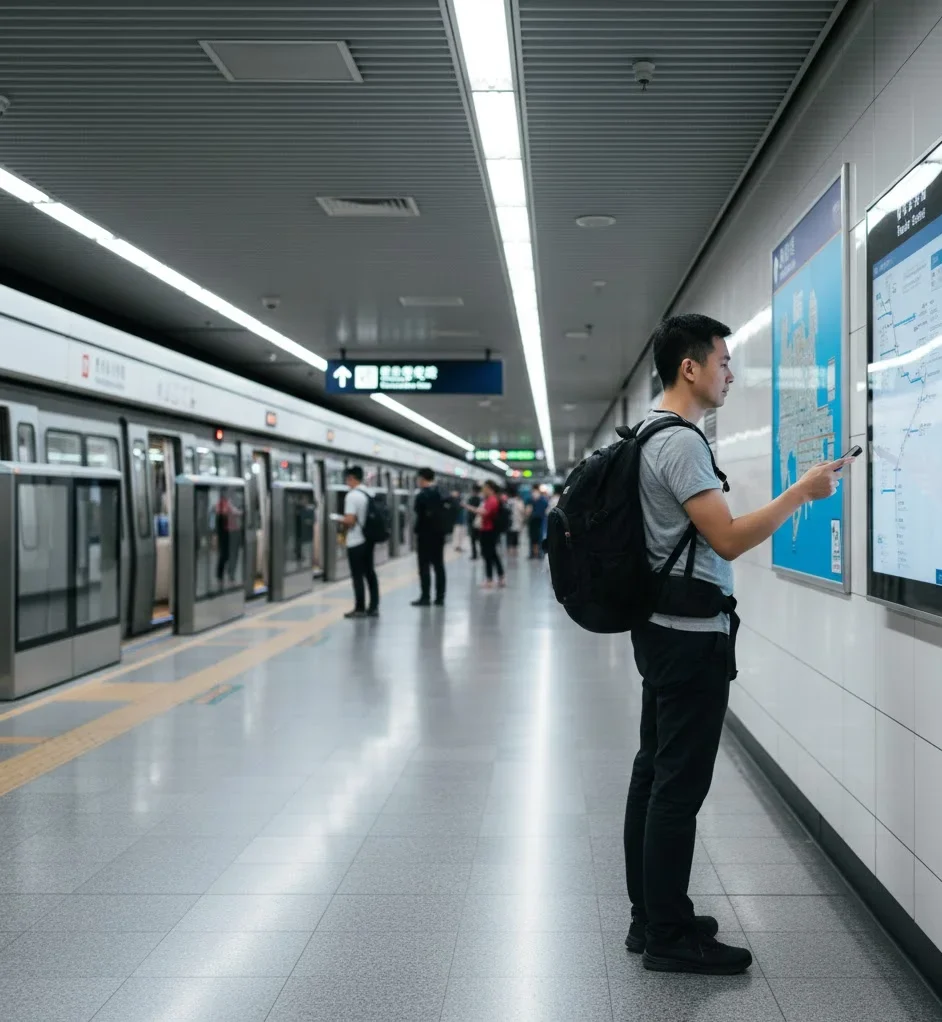
Taiwan surprises many visitors. Streets feel orderly. Locals often help. Transport systems stay easy to follow.
Taipei works well day and night. As a result, stress remains low even without local language skills.
Taiwan makes solo travel easy with safe cities and simple transport.
Indonesia (Bali)
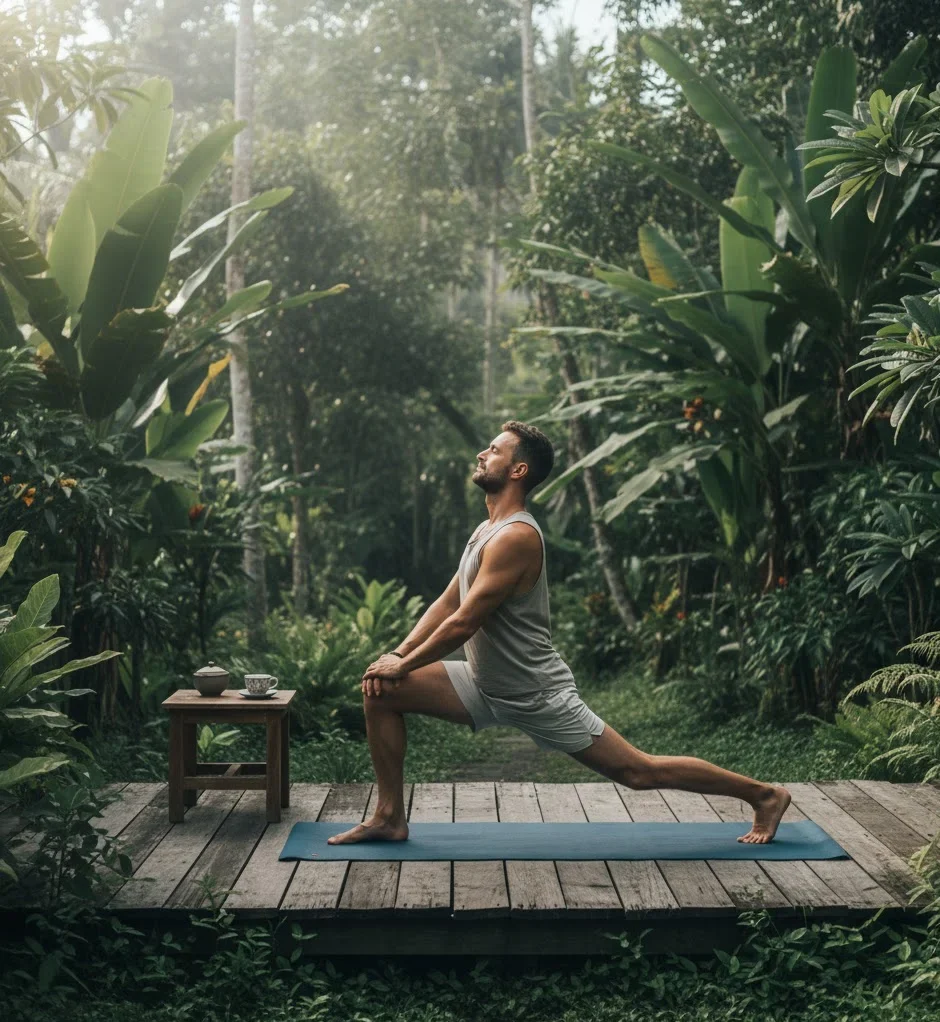
Indonesia offers many travel styles. Still, Bali stands out for independent travelers.
Ubud suits long stays and slow routines. Consequently, many travelers extend visits beyond their plans.
Bali suits solo travelers who prefer slower, longer stays.
Cost Reality for Independent Travelers
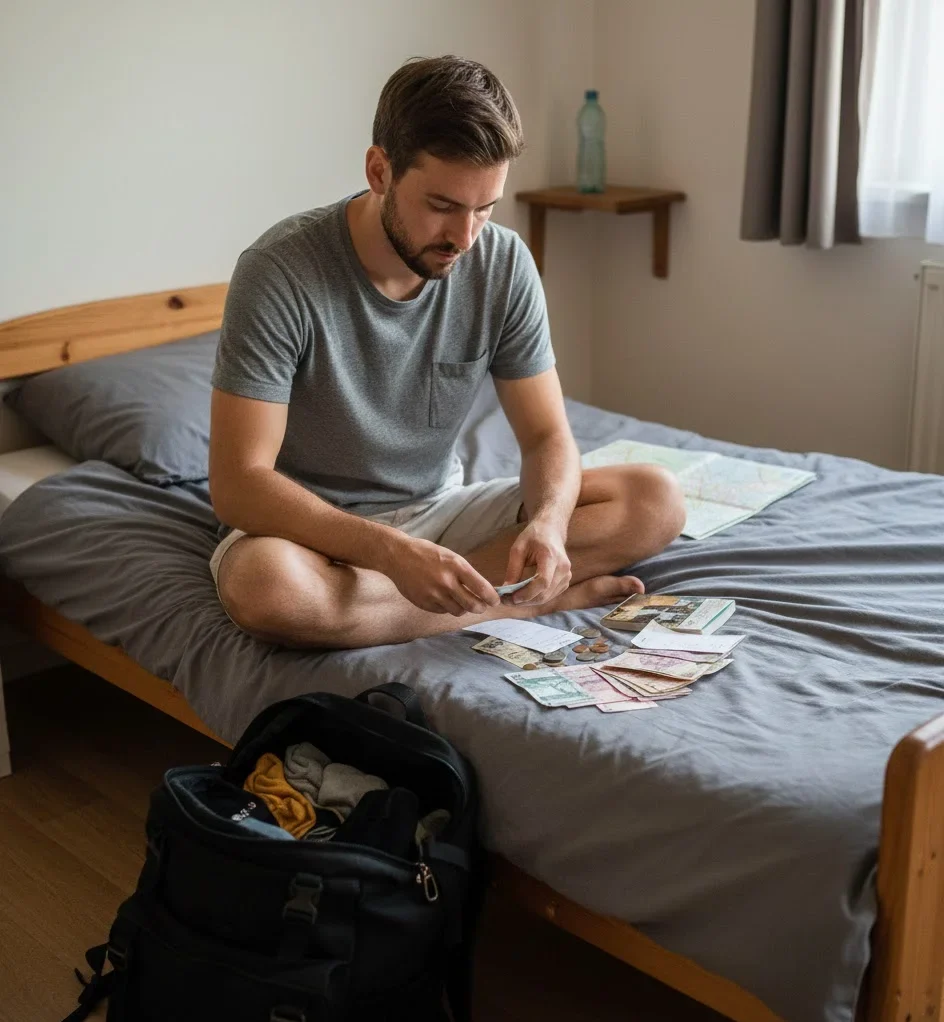
One major reason Solo Travel in Asia attracts US travelers is cost. Compared to domestic trips, daily expenses remain lower.
Typical ranges include:
Southeast Asia: $30–60
East Asia: $60–120
South Asia: $25–50
Food and transport stay affordable. Hostels and guesthouses help save money. Although flights cost more upfront, longer stays balance total spending.
Solo travel in Asia remains affordable with simple budgeting.
Visa Basics and Entry Planning
Visa rules differ by country. However, many Asian destinations offer visa-free entry or simple online applications for US passport holders.
Stay limits usually range from two weeks to three months. Therefore, checking official embassy sources before booking flights prevents problems later.
Best Seasons to Visit
Asia covers many climates. Because of this, timing affects comfort.
Southeast Asia feels drier from November to February.
East Asia stays pleasant in spring and autumn.
South Asia experiences heavy rain during monsoon months.
Although travel runs year-round, seasonal awareness improves the experience.
Easy Routes That Reduce Stress
Structured routes help beginners gain confidence.
One week Bangkok → Chiang Mai
Two weeks Hanoi → Hoi An → Ho Chi Minh City
One month Thailand → Vietnam → Cambodia
These paths remain popular because transport, lodging, and social options already exist.
Well-known travel routes help solo travelers move with confidence.
Common Errors to Avoid
Certain mistakes appear often. Overpacking slows movement. Rushing cities causes burnout. Ignoring visa rules leads to trouble. Taxi scams happen when awareness drops. Therefore, slowing down improves results.
Social Life While Traveling Alone
Meeting people happens naturally. Hostels, walking tours, long rides, and shared spaces create chances. Meanwhile, staying open matters more than planning.
Although solo travel sounds isolating, shared moments appear without effort.
Meeting people while traveling alone often happens naturally.
Who This Style of Travel Suits Best
This approach fits travelers who value freedom and learning. However, those needing strict schedules may struggle at first. Even so, comfort grows with experience.
Final Thoughts from Travelist Corner
After reviewing real journeys, traveler feedback, and planning patterns, one fact remains consistent. Solo Travel in Asia rewards preparation, patience, and respect. Choosing friendly locations and moving at a steady pace builds confidence.
This guide reflects trusted research and real travel insight created for Travelist Corner readers. With realistic expectations and simple planning, traveling alone across Asia can become one of the most meaningful journeys a person takes.
Clara Whitmore is a US-based solo travel writer and founder of Travelist Corner. She shares practical advice on planning, safety, and what traveling alone is really like, helping travelers feel confident on their own trips.