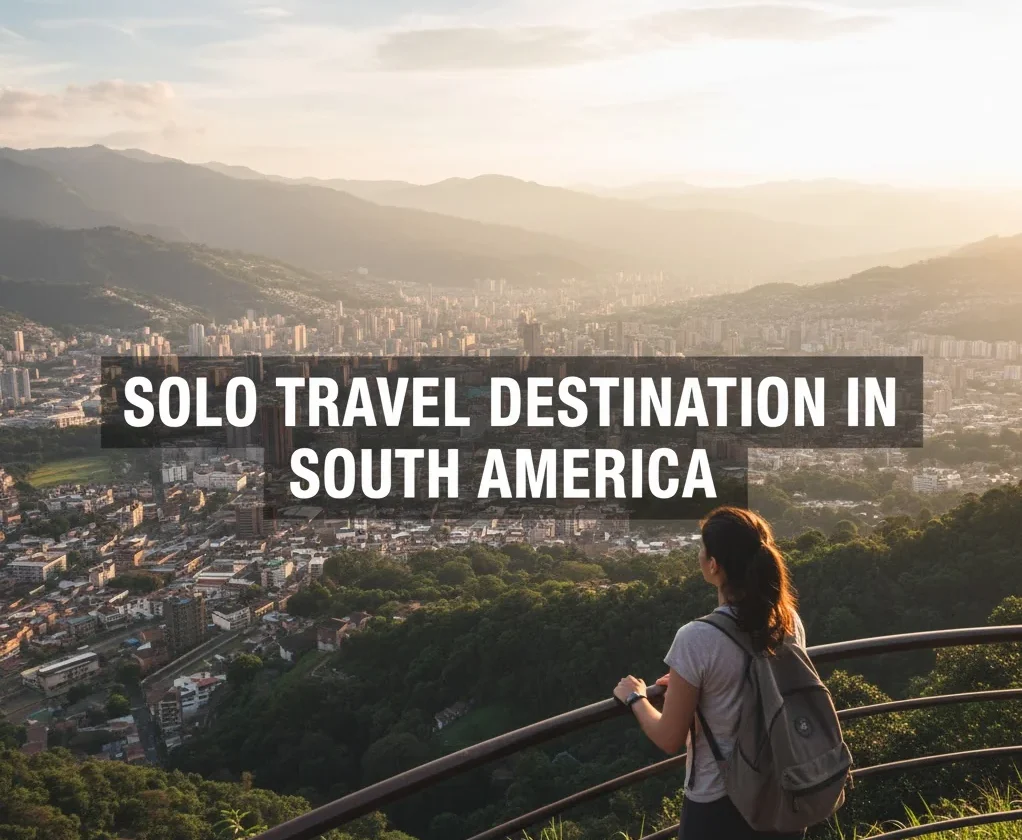
Planning solo travel in South America can feel confusing at first. Online advice often sends mixed signals. Some posts focus only on danger, while others ignore real challenges. Because of that contrast, doubt builds fast, especially for first-time solo travelers.
During my first independent trip across South America, that same confusion almost stopped me. Still, real travel experience showed a different picture. Most problems came from rushed planning, unclear expectations, or ignoring local realities. For that reason, this guide is based on personal travel, careful research, and honest limits, so planning feels calm instead of stressful.
About South America
South America is not one single travel experience. Instead, each country works differently. Safety, costs, transport, and comfort change from place to place.
As a result, comparing destinations before choosing a route matters. For example, some countries feel relaxed and social, while others demand patience. Because of this, solo travel in South America works best when expectations match reality.
Solo Travel by Country
Argentina
Argentina is often a strong starting point. Cities offer public transport, walkable areas, and social hostels. Moreover, food remains affordable in many regions.
At the same time, distances between cities are long. Therefore, overnight buses or flights are common.
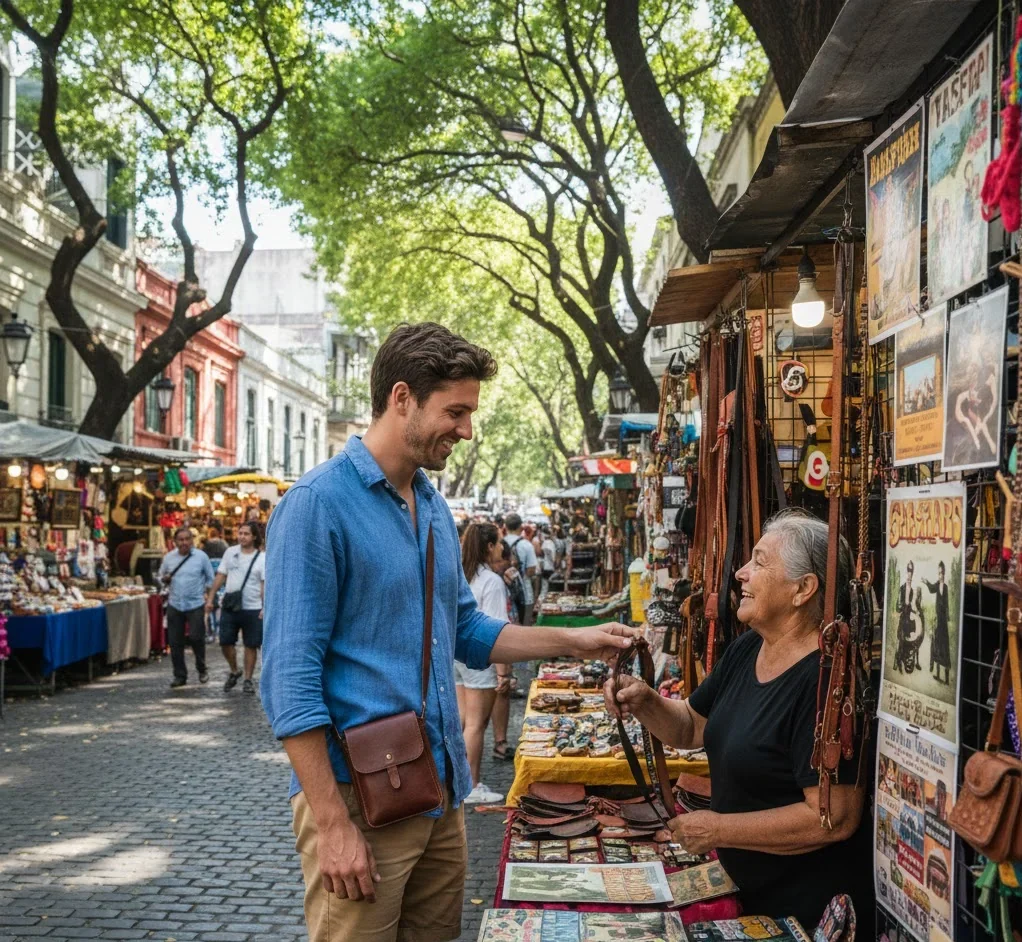
Buenos Aires is popular with solo travelers for its walkable neighborhoods and daily local life.
Bolivia
Bolivia suits travelers who enjoy slower travel. It is budget friendly, yet physically demanding.
For that reason, altitude affects many visitors. Otherwise, rushing can turn the trip tiring.
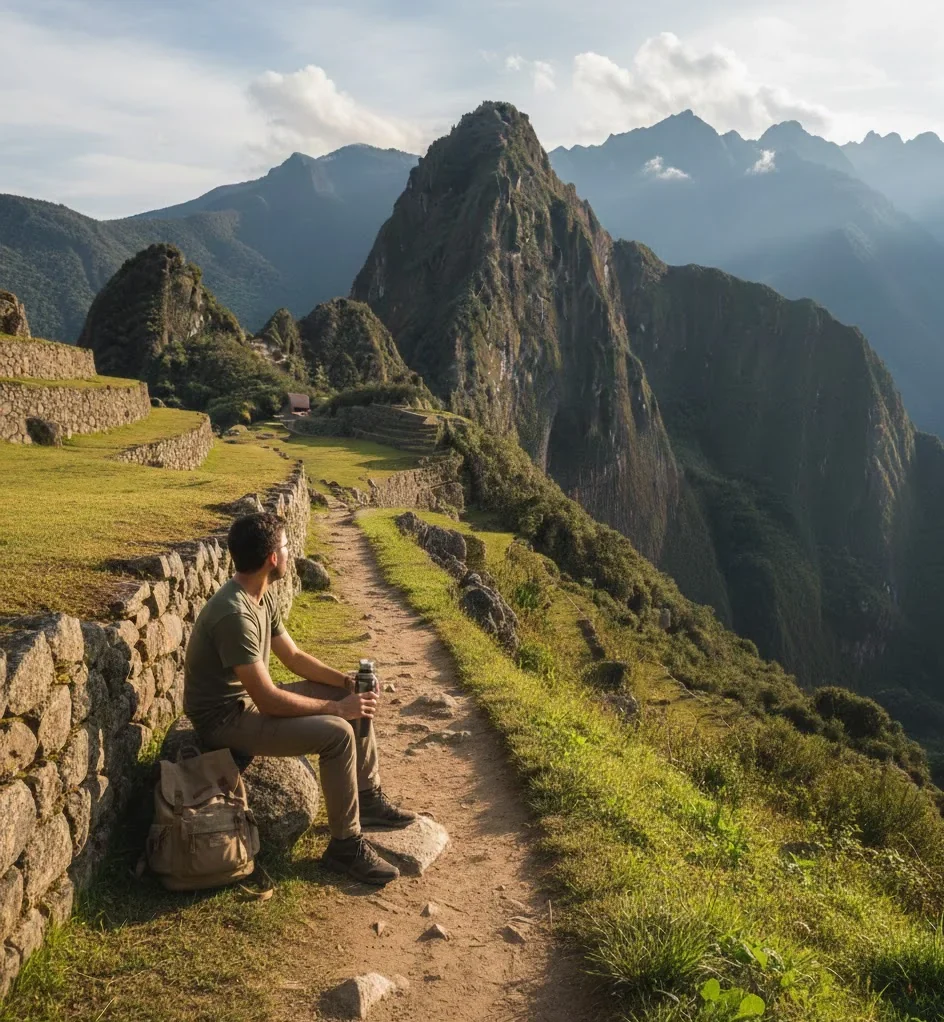
Solo traveler resting near Cusco while adjusting to high altitude
Brazil
Brazil offers beaches, cities, and rich culture. Meanwhile, language differences matter more here since Portuguese is spoken.
Although social scenes are strong, awareness is needed in large cities. Consequently, choosing the right neighborhoods improves comfort.
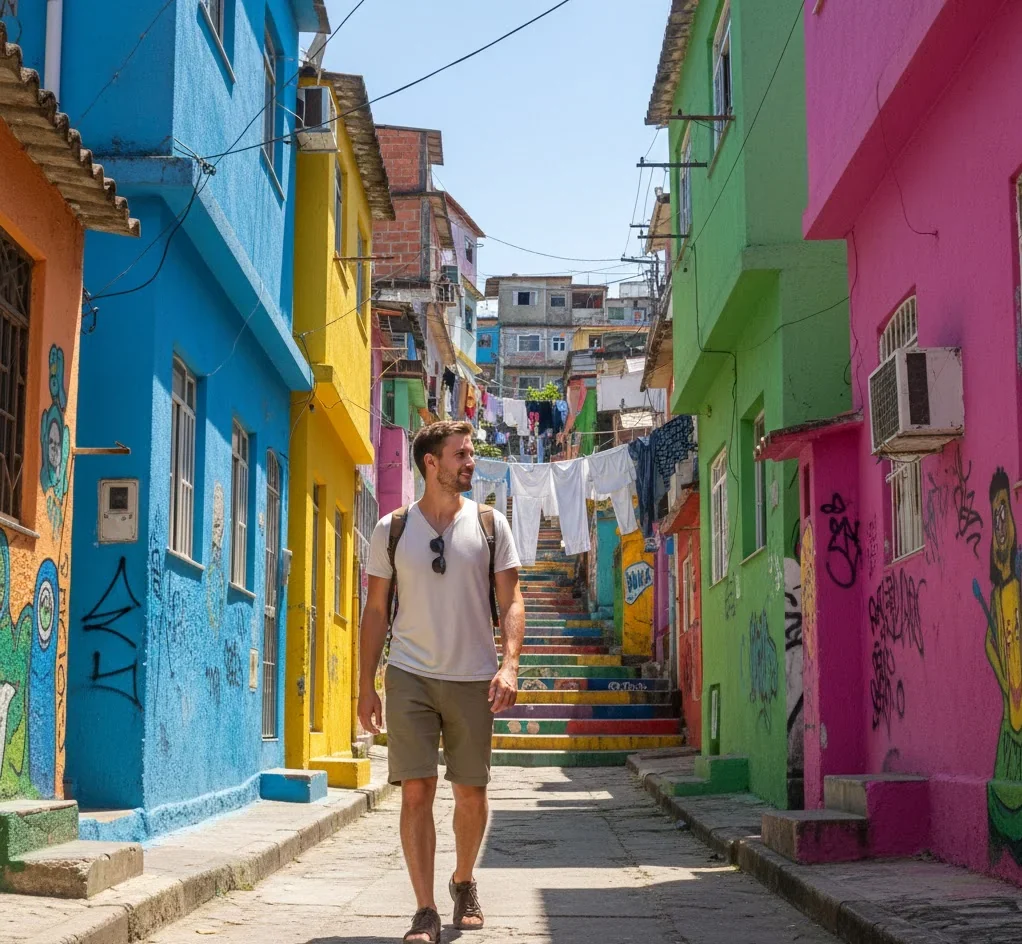
Brazil offers vibrant cities and culture, with awareness playing a key role in solo travel comfort.
Guyana and French Guiana
These destinations are less traveled. As a result, tourist services are limited.
Because of that, experienced solo travelers manage these areas better than beginners.
Chile
Chile feels organized and easy to navigate. Public buses are reliable, and city layouts are clear. In contrast, daily costs are higher.
Therefore, budget planning becomes important.
Colombia
Colombia is popular with solo travelers. Culture feels welcoming, and routes are well developed.
Still, city awareness matters. For example, trusted transport at night reduces risk.
Ecuador
Ecuador works well for shorter trips. Distances remain manageable, and costs stay moderate.
However, altitude affects some cities. As a result, slower pacing helps adjustment.
Peru
Peru supports solo travel in South America through established routes. Group tours and hostels make social travel easier.
On the other hand, altitude and crowds can feel draining. Because of this, rest days matter.
Suriname
Suriname offers calm travel. It suits travelers who enjoy quiet places.
Nevertheless, options outside main towns remain limited.
Uruguay
Uruguay feels stable and relaxed. Coastal towns move at a slow pace.
Even so, costs are higher. Therefore, it suits mid-range budgets.
Venezuela
Despite natural beauty, solo travel remains difficult here. Safety concerns and service limits continue.
For these reasons, most travelers skip it.
Attractions Across the Region
South America offers wide variety. Mountains, beaches, wildlife, and historic sites appear across the continent. Instead of rushing, focusing on one region improves the experience.
Meanwhile, food markets and local festivals give insight into daily life.
How Safety Works in Practice
Safety depends on habits. Fear alone does not prevent problems. Instead, awareness and preparation reduce risk.
For example, keeping valuables hidden, using daytime transport, and asking locals for advice helps. As a result, solo travel in South America feels manageable for many travelers.
“Good planning does not remove risk. It helps you handle it better.”riosity is balanced with caution.”
Cost Choices and Comfort
Cheap options often come with trade-offs. Poor locations or unsafe transport add stress.
Therefore, spending slightly more on key choices improves safety and comfort.
Helpful Travel Technology
Offline maps, translation apps, and local SIM cards reduce confusion. In addition, ride apps work well in many cities.
Because of these tools, moving alone feels easier.
Solo Travel Snapshot
Country
Solo-Friendly
Daily Budget
Main Challenge
Argentina
High
$40–60
Long distances
Chile
High
$55–80
Higher costs
Colombia
High
$35–55
City awareness
Entry and Visa Basics
Most South American countries allow US passport holders to enter without a visa for short stays. Still, entry rules vary.
Therefore, checking official sources before departure is important.
Transport Reality
Distances are large. Overnight buses save money but reduce energy. Flights save time but raise costs.
Because of this, mixing transport types works best.
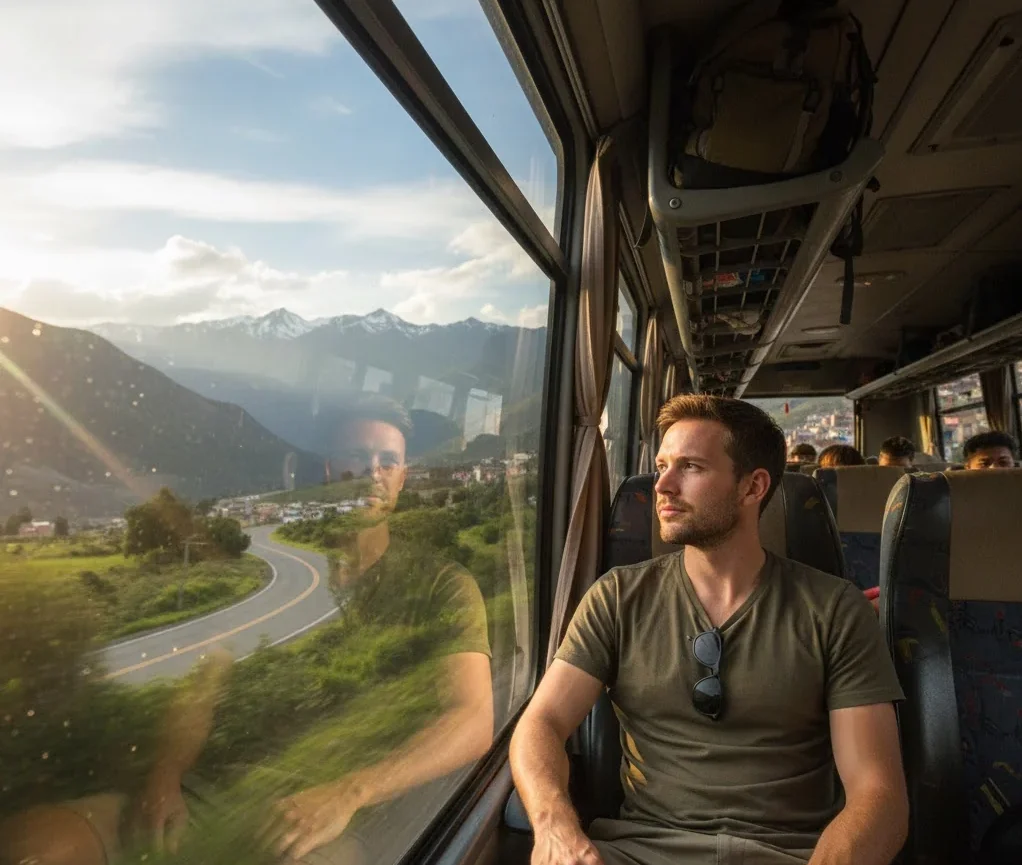
Long bus journeys are common during solo travel across South America.
Health and Altitude
High altitude affects many travelers in Peru and Bolivia. Symptoms include headaches and tiredness.
Thus, hydration and rest days support adjustment.
Solo Female Travel Notes
Many women complete solo travel in South America each year. Choosing safe areas, dressing with awareness, and joining group activities adds comfort.
As a result, confidence improves.
Who Should Think Carefully
Travelers who dislike long journeys or fixed schedules may struggle here. Flexibility improves outcomes.
“Solo travel works best when curiosity is balanced with caution.”
FAQs
Is solo travel in South America safe?
Yes, with planning and awareness. Conditions vary by country and city.
Which country suits beginners?
Argentina, Chile, Colombia, and Ecuador work well.
How much money is needed daily?
Most travelers spend $30 to $60 per day.
Is language a problem?
Basic phrases help, and apps support communication.
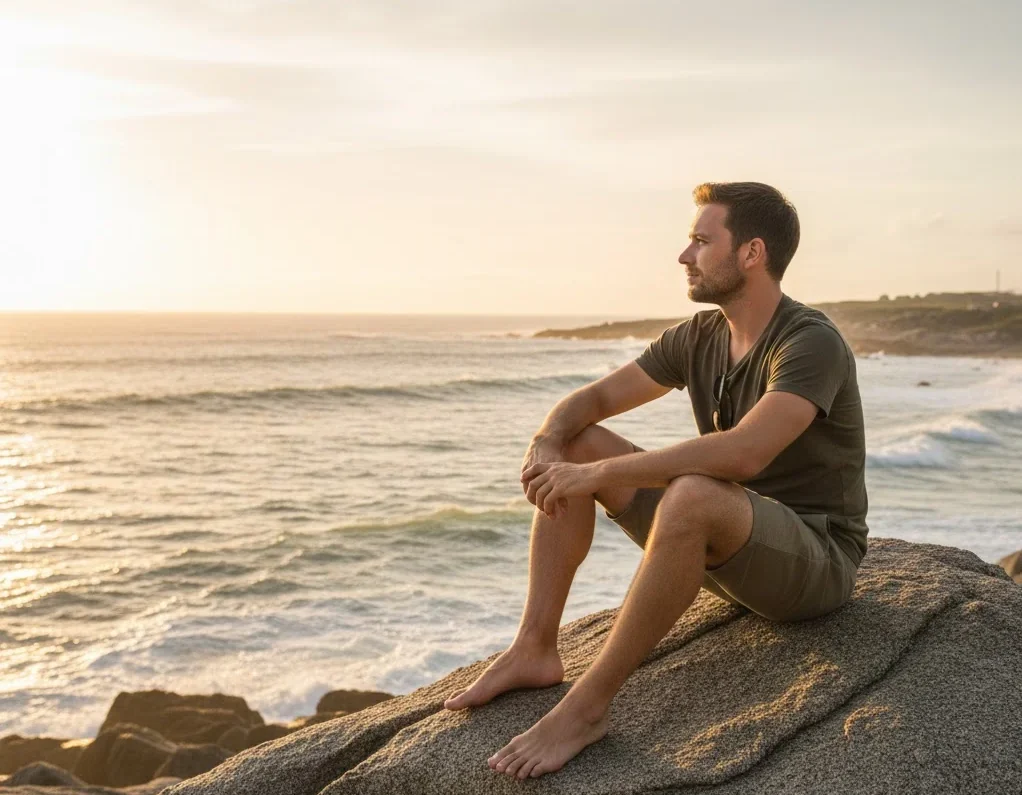
Quiet moments often define the most meaningful parts of solo travel in South America.
Conclusion
Experience taught me that solo travel in South America rewards patience and preparation. Long days, language gaps, and changing plans are part of the process. However, those challenges build awareness and confidence.
Based on real travel and research, this region suits travelers who plan carefully and stay flexible. When expectations stay realistic, solo travel in South America becomes meaningful, safe, and deeply rewarding.
Clara Whitmore is a US-based solo travel writer and founder of Travelist Corner. She shares practical advice on planning, safety, and what traveling alone is really like, helping travelers feel confident on their own trips.