

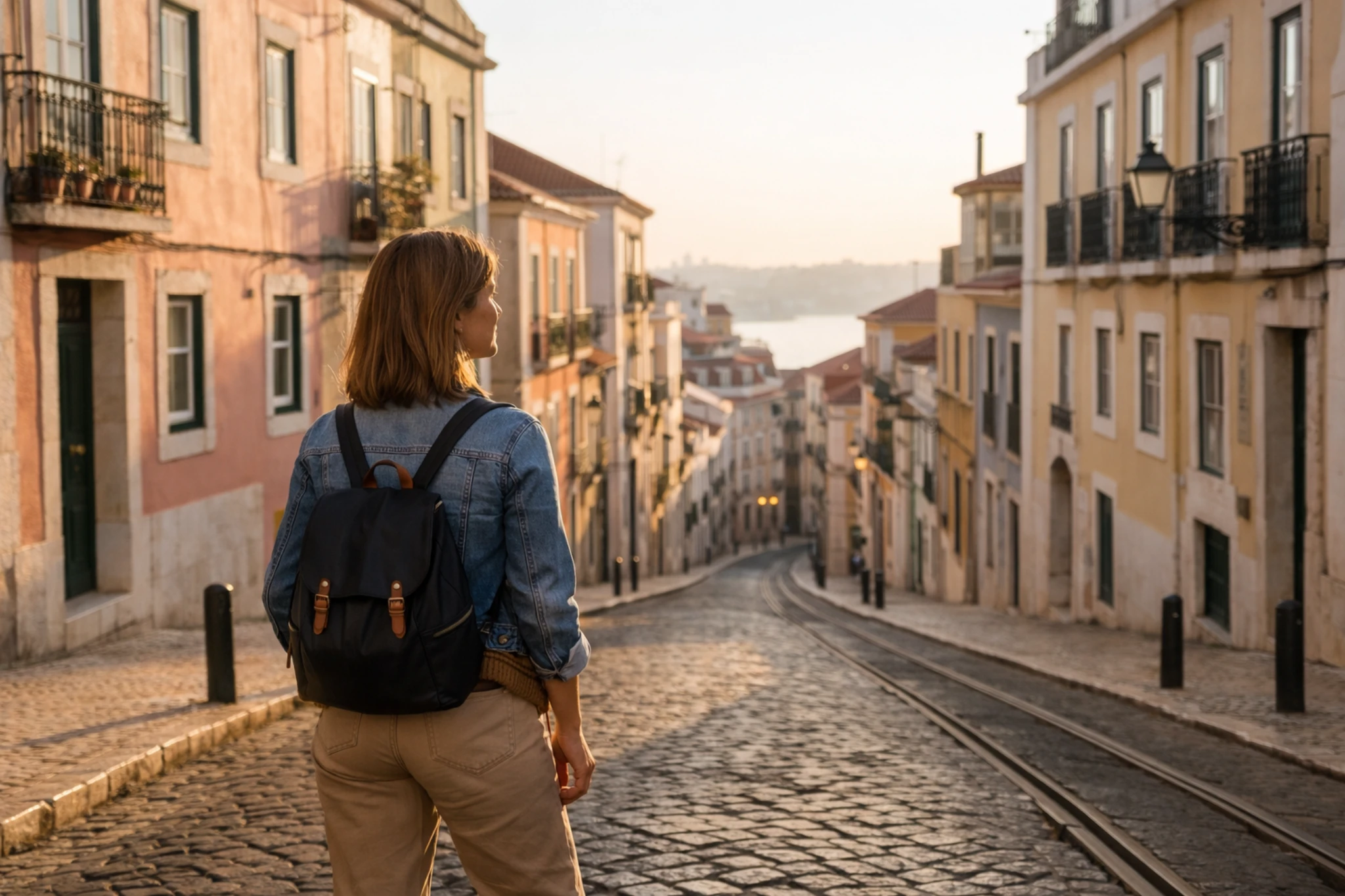
Traveling alone can feel exciting, yet it can also bring worry. Many first time travelers wonder what could go wrong. Getting lost, losing documents, or facing unsafe situations are common fears. Because of this, many people delay their first solo trip even though they want the freedom that travel offers.
However, experience shows that most problems can be avoided with preparation. Travelers who learn the solo travel safety basics feel more confident exploring new places. At TravelistCorner, many readers share how simple safety habits helped them enjoy their first trip without stress. Therefore, learning these basics early can make a huge difference.
Five Fundamentals to Keep You Safe As You Travel Solo
Safe travel begins with understanding a few simple rules. These fundamentals guide many decisions during a trip.
Your Person
Personal awareness is the first priority. Stay alert and observe what is happening around you. Confident body language often prevents unwanted attention.
For example, walking with purpose helps travelers appear familiar with the area. Meanwhile, busy public places are usually safer than isolated streets.
Your Documents
Travel documents are extremely important. Losing a passport can create serious problems during a trip.
Because of this, keep digital copies stored online. In addition, many travelers keep a printed copy in their bag. This way, replacement becomes easier if the original is lost.
Your Money
Money safety is another part of the solo travel safety basics. Carrying everything in one wallet can create risk.
Instead, split money into two or three places. For instance, some travelers keep backup cash inside their luggage or a hidden pocket.
Your Stuff
Tourist areas can attract pickpockets. Crowded places such as markets and train stations require extra attention.
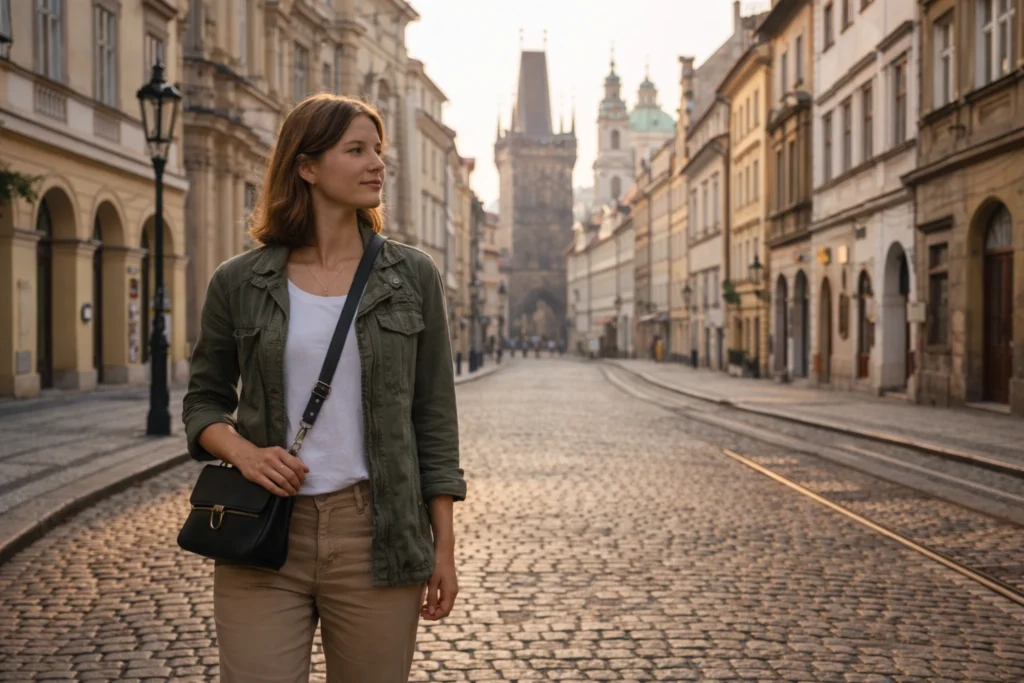
Therefore, choose bags with strong zippers. Crossbody bags also help because they stay close to the body.
Solo Travel Safety Overview
| Safety Area | Why It Matters | Simple Action |
|---|---|---|
| Personal Awareness | Awareness helps travelers avoid risky situations. | Stay alert and remain in busy public places. |
| Travel Documents | Losing documents can interrupt a trip. | Store digital copies and protect originals. |
| Money Safety | Carrying all money together increases loss risk. | Split cash and cards into separate places. |
| Belongings Protection | Crowded tourist areas often attract thieves. | Use secure bags and keep items close. |
| Emergency Planning | Preparation helps travelers react quickly. | Save emergency contacts and embassy numbers. |
Why Solo Travel Safety Matters
Traveling alone means making your own decisions. No companion may be available to help in unexpected situations.
Still, this does not mean solo travel is dangerous. Instead, awareness and planning reduce most risks. In fact, many experienced travelers say preparation is the most important part of safe travel.
Because of that, learning the solo travel safety basics helps travelers move around with confidence.
Solo Travel Planning and Preparation
Preparation begins before leaving home. Research the destination carefully. Look for safe neighborhoods and transportation options.
In addition, learn basic local customs. Understanding culture helps travelers avoid mistakes.
Arriving during daytime is also helpful. Finding accommodation becomes easier when streets are active and visible. As a result, stress decreases during the first hours in a new city.
Technology and Travel Safety
Modern technology can support safe travel in many ways.
Navigation apps help travelers move around unfamiliar areas. Meanwhile, ride sharing apps provide reliable transport options.
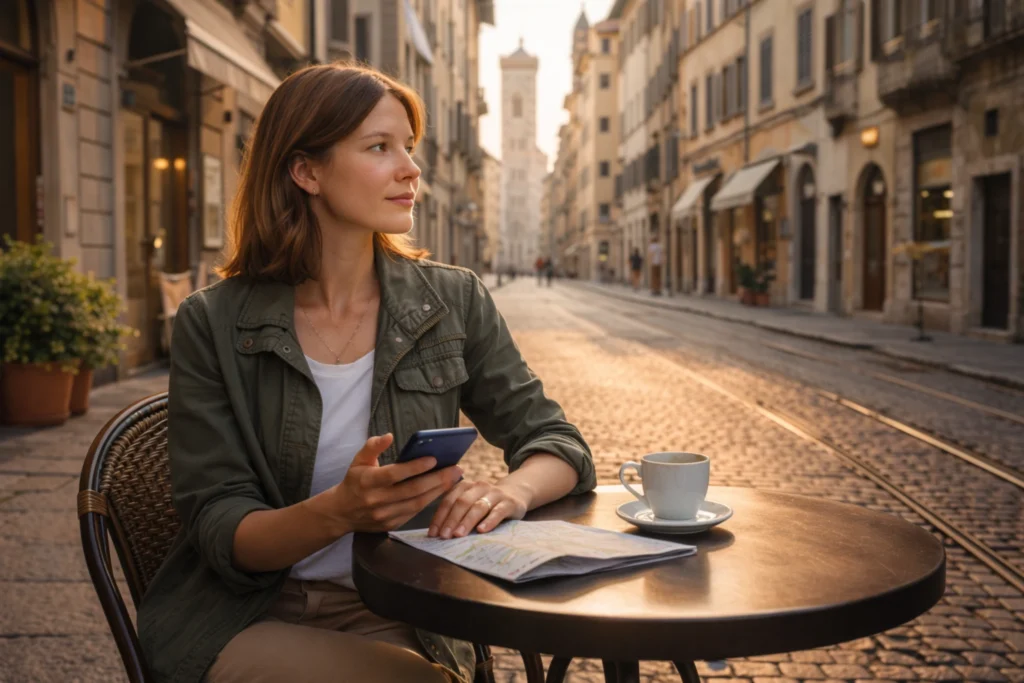
Translation apps can also help during conversations. Furthermore, keeping a phone charged is very important. A small power bank can solve this problem easily.
These tools support the solo travel safety basics by improving communication and navigation.
Staying Connected During Travel
Communication provides an additional safety layer.
Before departure, share travel plans with someone you trust. Important details include hotel address and flight schedule.
During the trip, send small updates occasionally. Even short messages help family members know everything is going well.
Because of this habit, many travelers feel more relaxed during their journey.
Blending In With Local Culture
Standing out too much may attract unwanted attention.
Therefore, observe how local people dress and behave. Wearing simple clothing helps travelers blend in more easily.
Additionally, avoid displaying expensive jewelry or large amounts of cash. Small actions like these help maintain personal safety.
Learning basic local words such as hello and thank you can also improve communication.
Protecting Belongings While Traveling
Belongings should always stay secure.
Anti theft backpacks are useful because they include hidden zippers. Likewise, hotel safes provide a good place to store passports or spare cash.
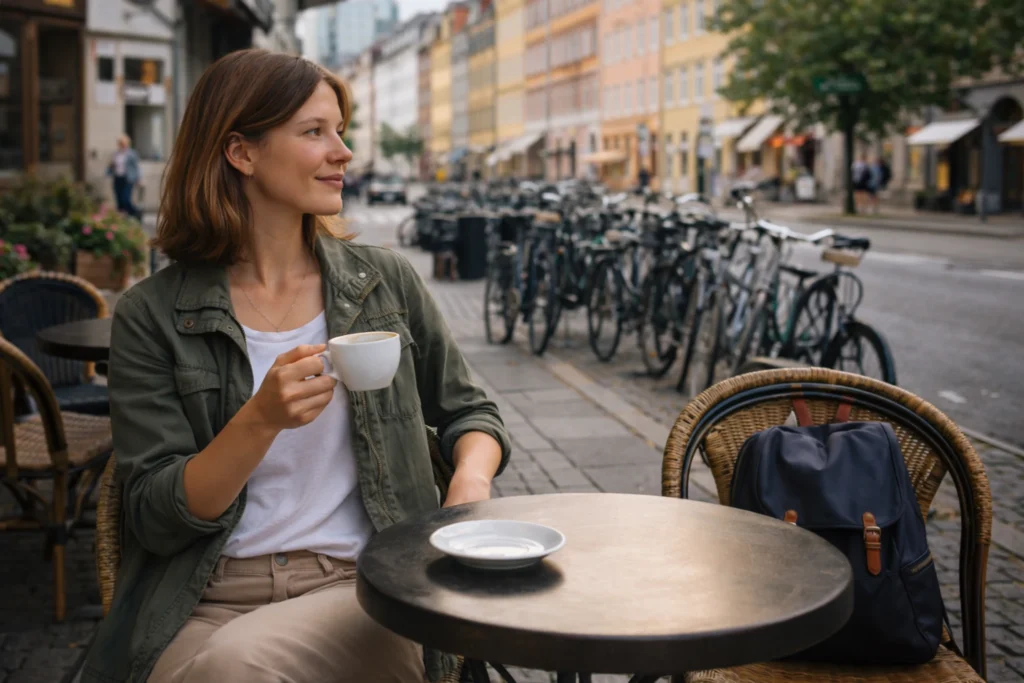
Phones and wallets should never be left unattended in cafés or public areas.
Because of these precautions, many travelers avoid theft problems during their trips.
Emergency Preparation
Unexpected situations can happen anywhere.
For this reason, travelers should prepare emergency contacts before leaving home. Save numbers for local police, ambulance services, and your country’s embassy.
In addition, writing these contacts in a notebook can help if your phone stops working.
These steps are part of the solo travel safety basics that experienced travelers recommend.
Common Sense and Safe Behavior
Many safety problems happen because of poor decisions.
Avoid empty streets late at night. Limit alcohol in unfamiliar places. Most importantly, trust your instincts.
If a situation feels uncomfortable, leaving early is the safest choice.
Frequently Asked Questions
Yes. Solo travel can be safe with preparation. Learning the solo travel safety basics and planning ahead helps beginners travel confidently.
Researching the destination, staying in busy areas, and protecting valuables help travelers remain safe in unfamiliar places.
Avoid isolated streets at night, sharing personal details with strangers, and carrying large amounts of cash.
These basics help travelers prevent problems, stay aware, and respond calmly to unexpected situations.
Conclusion
Experience shows that preparation creates confidence during solo travel. Travelers who understand safety habits often enjoy their trips much more. Planning ahead, staying aware, and protecting important items reduce most travel risks.
Over time, many travelers realize that the solo travel safety basics become natural habits. With knowledge and awareness, exploring new places becomes exciting rather than stressful. As a result, solo travel turns into a rewarding way to discover cultures, meet people, and experience the world independently.
