


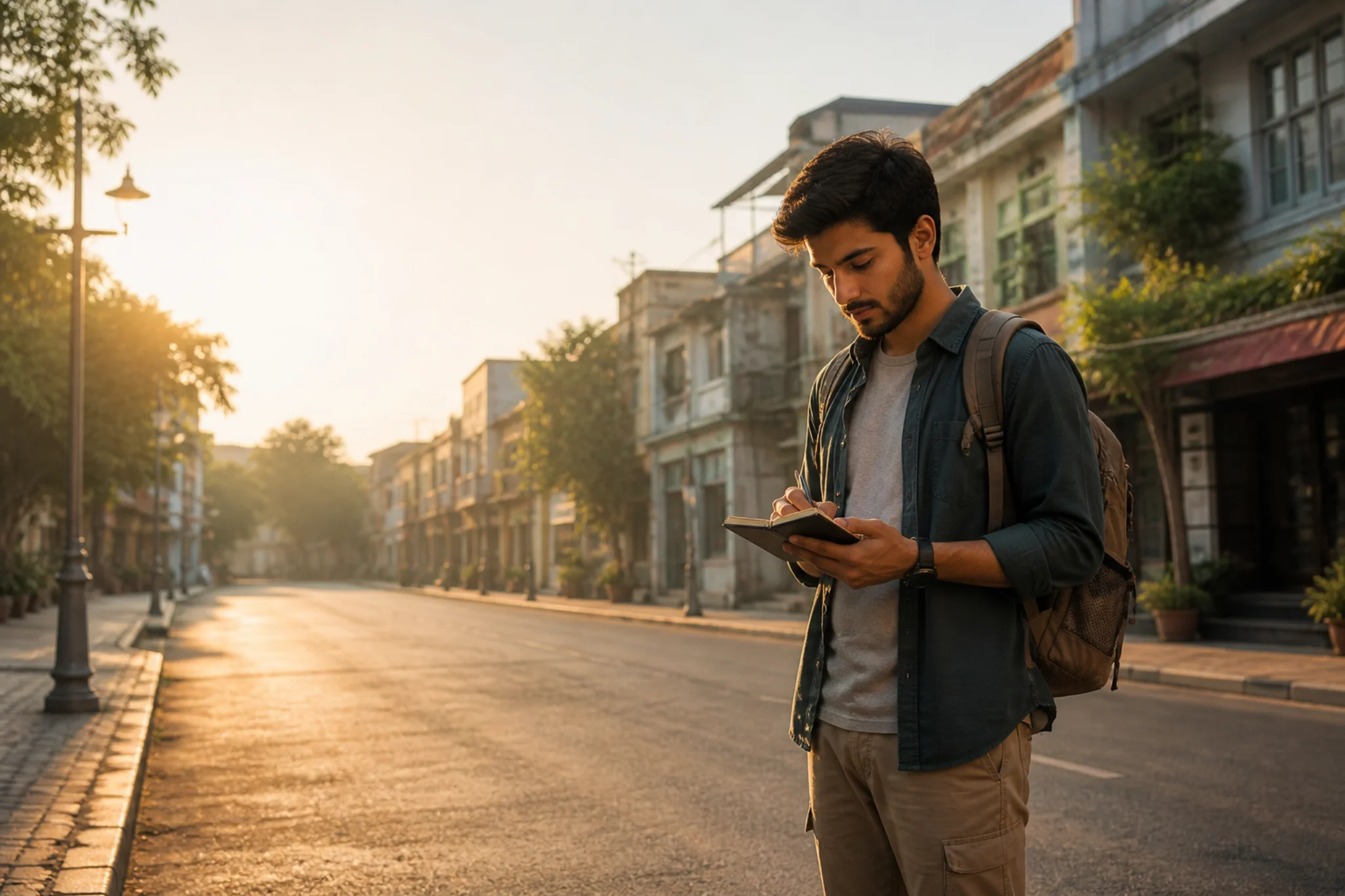
Traveling alone sounds exciting, but it can quickly feel expensive because every cost is on you. I remember my first solo trip clearly. At first, everything felt easy, but soon I was spending too much on hotels, taxis, and food. As a result, stress started to build, and the trip became less enjoyable.
Over time, I learned better ways to manage money while traveling solo. For example, I started planning ahead, tracking daily spending, and making smarter choices. Because of this, my trips became more relaxed and affordable. So, if you are wondering how to save money traveling alone, this guide will help you stay in control.
This guide on how to save money traveling alone gives you simple and practical steps.
Clara Whitmore
Why Solo Travel Feels Expensive (And How to Fix It)
Solo travel often feels costly since there is no one to share expenses with. For instance, hotel rooms, transport, and meals are all paid alone. In contrast, group travelers split these costs easily.

Here’s a simple comparison:
| Expense | Solo Traveler | Group Traveler |
|---|---|---|
| Hotel Room | $80 | $40 |
| Transport | $20 | $10 |
| Food | $25 | $20 |
| Activities | $30 | $25 |
| Total | $155 | $95 |
Clearly, solo travel costs more per person. However, smart planning can reduce this gap.
How Much Money Do You Really Need?
Most travelers ask this first. The answer depends on your style.
Low budget
- $30–$50 per day
- hostels and street food
Mid budget
- $70–$120 per day
- budget hotels and mixed meals
Comfort budget
- $150+ per day
- private stays and activities
For example, a 7-day trip may cost:
- $300–$500 (low)
- $700–$1000 (mid)
- $1200+ (comfort)
However, these prices fit cheaper countries. Meanwhile, places like the United States cost more.

Biggest Money Mistakes Solo Travelers Make
Many people overspend without noticing. For example, booking flights late increases prices. Also, staying in central areas often costs more.
Other common mistakes include:
- eating out every meal
- using taxis too often
- ignoring daily budgets
Because of these habits, money disappears quickly. Therefore, avoiding them is key when learning how to save money traveling alone.
How to Save Money Before Your Trip
Saving begins before you leave.
First, use tools like Skyscanner or Hopper. These apps help you find cheaper flights.
Next, try to book early:
- 1–3 months for domestic trips
- 2–6 months for international trips
Also, flexible dates can lower costs. In addition, nearby airports sometimes offer better deals.
Finally, packing light avoids extra baggage fees.
Smart Ways to Save on Accommodation
Accommodation takes a big part of your budget.
Hostels are cheaper, while budget hotels give more comfort. Besides that, house sitting can offer free stays.
Another smart idea is staying outside the city center. As a result, prices drop, and public transport fills the gap.
How to Spend Less on Food Without Missing Out
Food spending adds up fast. However, you don’t need to cut everything.
Instead:
- eat one proper meal daily
- keep one meal simple
Local food is usually cheaper. In contrast, tourist restaurants cost more.
Transport Hacks That Save You Money
Transport can quietly increase costs.
So, use buses and trains whenever possible. Walking also saves money and helps you explore more.
Additionally, Google Maps helps find cheaper routes. Because of this, you avoid wasting money on wrong directions.
Hidden Costs That Drain Your Budget
Many travelers forget hidden costs.
These include:
- ATM fees
- currency exchange charges
- baggage fees
Also, airport SIM cards are often expensive. Therefore, checking fees before paying is important.
Why Solo Travelers Overspend (And How to Control It)
Overspending is often emotional.
For example:
- boredom leads to spending
- convenience feels easier
- small treats add up
To control this, set a daily budget. Then track your expenses. As a result, you stay aware and avoid overspending.
How to Travel Alone With a Low Budget
Even with limited money, travel is possible.
You can:
- do work exchange
- volunteer
- travel slowly
Because of these options, costs stay low while experience stays high.
Simple Habits That Keep You on Budget
Saving money depends on daily habits.
- set a spending limit
- track every expense
- plan each day
In the long run, these habits help you master how to save money traveling alone.
Final Thoughts
From experience, saving money while traveling alone is about awareness, not restriction. Earlier trips felt stressful because spending was not controlled. Later, better planning changed everything. As a result, travel became more enjoyable and balanced.
In the end, learning how to save money traveling alone gives you confidence. When your budget is clear, your mind stays relaxed. Therefore, focus on simple decisions, stay consistent, and enjoy your journey without financial stress.
