


You come home from a trip, open your card statement, and see a stack of small charges labeled “foreign transaction fee.” On a $3,000 trip, that can add up to $90 you never planned to spend.
The good news: this fee is easy to avoid once you know which cards charge it. Below you will find what a foreign transaction fee is, which popular cards charge it, and the cheapest ways to pay abroad with cards, ATMs and cash.
Card terms were checked on November 15, 2026. Confirm the current fee in your card’s terms before you travel.
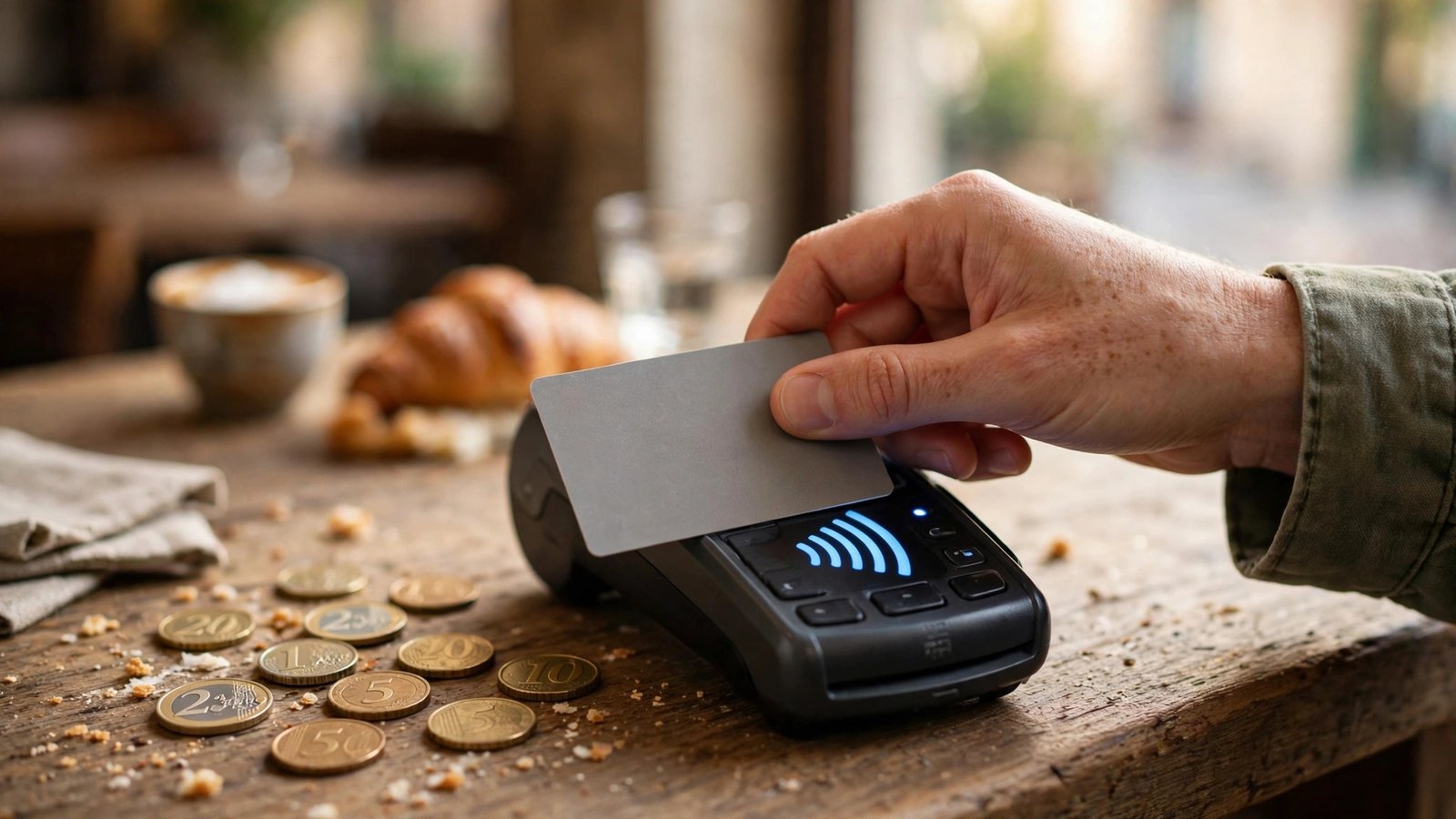
What is a foreign transaction fee?
A foreign transaction fee is an extra charge your card issuer adds when a purchase is processed outside the US. It is usually 1% to 3% of the purchase, and 3% is the most common rate.
The fee is often made of 2 parts:
- A network charge of about 1% from Visa or Mastercard
- A bank markup of about 1% to 2% from your card issuer
You pay it on purchases you make abroad, and also on some purchases you make from home, like booking a hotel directly with a foreign company or buying from an online shop based overseas.

What is a foreign transaction fee on a credit card, in real numbers?
| Purchase abroad | Fee at 3% | Fee at 2.7% | Fee at 0% |
|---|---|---|---|
| $50 dinner | $1.50 | $1.35 | $0 |
| $1,000 hotel stay | $30 | $27 | $0 |
| $3,000 full trip | $90 | $81 | $0 |
Foreign transaction fee by card
These are the cards people search for most:
| Card | Foreign transaction fee |
|---|---|
| Chase Freedom Unlimited | 3% |
| Chase Freedom Flex | None (removed September 20, 2026) |
| Chase Sapphire Preferred | None |
| Chase Sapphire Reserve | None |
| All Capital One credit cards (Venture, Quicksilver, SavorOne and others) | None |
| Discover it cards | None |
| American Express Gold and Platinum | None |
| Some American Express cash back cards | 2.7% |
| Bank of America Travel Rewards | None |
Chase Freedom Unlimited foreign transaction fee
The Chase Freedom Unlimited charges a 3% foreign transaction fee on every purchase processed abroad. It is a great everyday card at home, but leave it in the drawer when you travel. Use it for US purchases and pack a card with no fee for the trip.
Chase Freedom foreign transaction fee (Freedom Flex)
The Chase Freedom Flex used to charge 3% too, but Chase dropped that fee on September 20, 2026. If you have the Flex, you can now use it abroad with no extra charge. Keep in mind it is a Mastercard, which is widely accepted around the world.
Chase Sapphire Preferred foreign transaction fee
The Chase Sapphire Preferred has no foreign transaction fee, and neither does the Sapphire Reserve. Both also earn bonus points on travel and dining, which makes them better picks for trips than the Freedom cards. See my guide to the best travel credit cards for the full comparison.
Does Discover have a foreign transaction fee?
No. Discover cards have no foreign transaction fee. Capital One bought Discover in May 2025, and none of Capital One’s credit cards charge the fee, including cards on the Discover network.
The bigger question is acceptance. Discover works in just over 185 countries and territories, compared with 200+ for Visa and Mastercard, and smaller shops abroad may not take it. Carry a Visa or Mastercard as a backup.
American Express
American Express premium cards like the Gold and Platinum have no foreign transaction fee. Some Amex cash back cards still charge 2.7%. Amex is also accepted at fewer places abroad than Visa and Mastercard, especially in smaller shops and markets.
Which credit card has no foreign transaction fee?
Most travel credit cards skip the fee, and so do all Capital One cards. If you want a no foreign transaction fee credit card, these are good places to start:
- $0 annual fee: Capital One VentureOne, Capital One Quicksilver, Bank of America Travel Rewards, Chase Freedom Flex, Discover it
- $95 annual fee: Chase Sapphire Preferred, Capital One Venture
- Premium cards: Capital One Venture X, Chase Sapphire Reserve, American Express Platinum and Gold
Pick a Visa or Mastercard for your main travel card. They are accepted in the most places around the world.
How to pay abroad without extra fees
1. Use a credit card with no foreign transaction fee
For most purchases, a no-fee credit card is the cheapest and safest way to pay. You get the Visa or Mastercard exchange rate, which is close to the real rate, plus fraud protection if your card is stolen. Tap to pay or use your phone’s wallet where you can.
2. Always pay in the local currency
Card machines and ATMs abroad often ask if you want to pay in US dollars. Say no and choose the local currency. Paying in dollars is called dynamic currency conversion, and it lets the shop or ATM pick the exchange rate, which is usually 3% to 8% worse. It can also still trigger a foreign transaction fee.

3. Use a debit card for cash, not for shopping
You will still need some cash for taxis, markets, tips and small cafes. The cheapest way to get it is usually a bank ATM at your destination with a debit card that has low or no foreign fees. Some US accounts, like Charles Schwab Bank’s checking account, refund ATM fees worldwide.
To keep costs down:
- Use ATMs inside or next to real banks, not standalone machines at airports or tourist spots
- Take out larger amounts less often, since many banks charge a fee per withdrawal
- Decline the ATM’s “conversion” offer and choose to be charged in the local currency

4. Skip the airport currency exchange
Currency exchange counters at airports and hotels have some of the worst exchange rates you will find. If you want a little cash before you land, order it from your US bank a week before you leave. It usually costs less.
5. Tell your bank you are traveling
Most banks no longer require a travel notice, but it is still smart to check your app for travel settings and make sure you get fraud alerts by text. Bring 2 cards from different networks and keep them in separate places.
Understanding the exchange rate
The exchange rate is the price of one currency in another. The conversion rate your card uses is set by Visa or Mastercard each day and is usually very close to the rate you see online.
To check a price on the spot, type it into Google (for example, “50 euros to usd”) to use Google’s currency converter, or download a currency calculator app that works offline. A quick check helps you spot a bad currency exchange rate at a counter or a high price in a shop.
For trips to Canada, Mexico or Europe, or even a cheap flight you found on a foreign airline’s site, the same rules apply: use a no-fee card for most things, pay in local currency, and get cash from bank ATMs.

FAQ
What is foreign transaction fee in simple terms?
It is an extra charge, usually 3%, that some cards add to purchases made abroad or with foreign companies online.
Do I pay a foreign transaction fee if I pay in US dollars abroad?
Often yes. Many card issuers charge the fee based on where the payment is processed, not the currency. Paying in dollars also adds a poor exchange rate, so always choose local currency.
Does Discover have a foreign transaction fee?
No. Discover cards have no foreign transaction fee, but they are not accepted everywhere abroad, so bring a Visa or Mastercard as a backup.
Does Chase Freedom Unlimited have a foreign transaction fee?
Yes, it charges 3%. The Chase Freedom Flex no longer has the fee as of September 20, 2026.
Can I get the foreign transaction fee refunded?
Sometimes. If you are a long-time customer, call your card issuer and ask. Some will refund it once as a courtesy, but it is easier to use a card with no fee.
Do online purchases from foreign websites have a foreign transaction fee?
They can. If the company processes the payment outside the US, your card may add the fee even if the price shows in dollars.
Final thoughts
A foreign transaction fee is one of the easiest travel costs to cut. Pack a card with no fee, always pay in the local currency, and get cash from bank ATMs. That alone can save you $50 to $100 on a typical trip. Add those savings to your plan with my free travel budget template, and see more ways to cut costs in my guide to the cheapest way to travel.
Last updated: November 15, 2026
Sources:
- The Points Guy: What is a foreign transaction fee
- NerdWallet: Chase Freedom Unlimited review
- AwardWallet: Chase Freedom Flex removing foreign transaction fees
- NerdWallet: Capital One cards on Visa, Mastercard and Discover
