


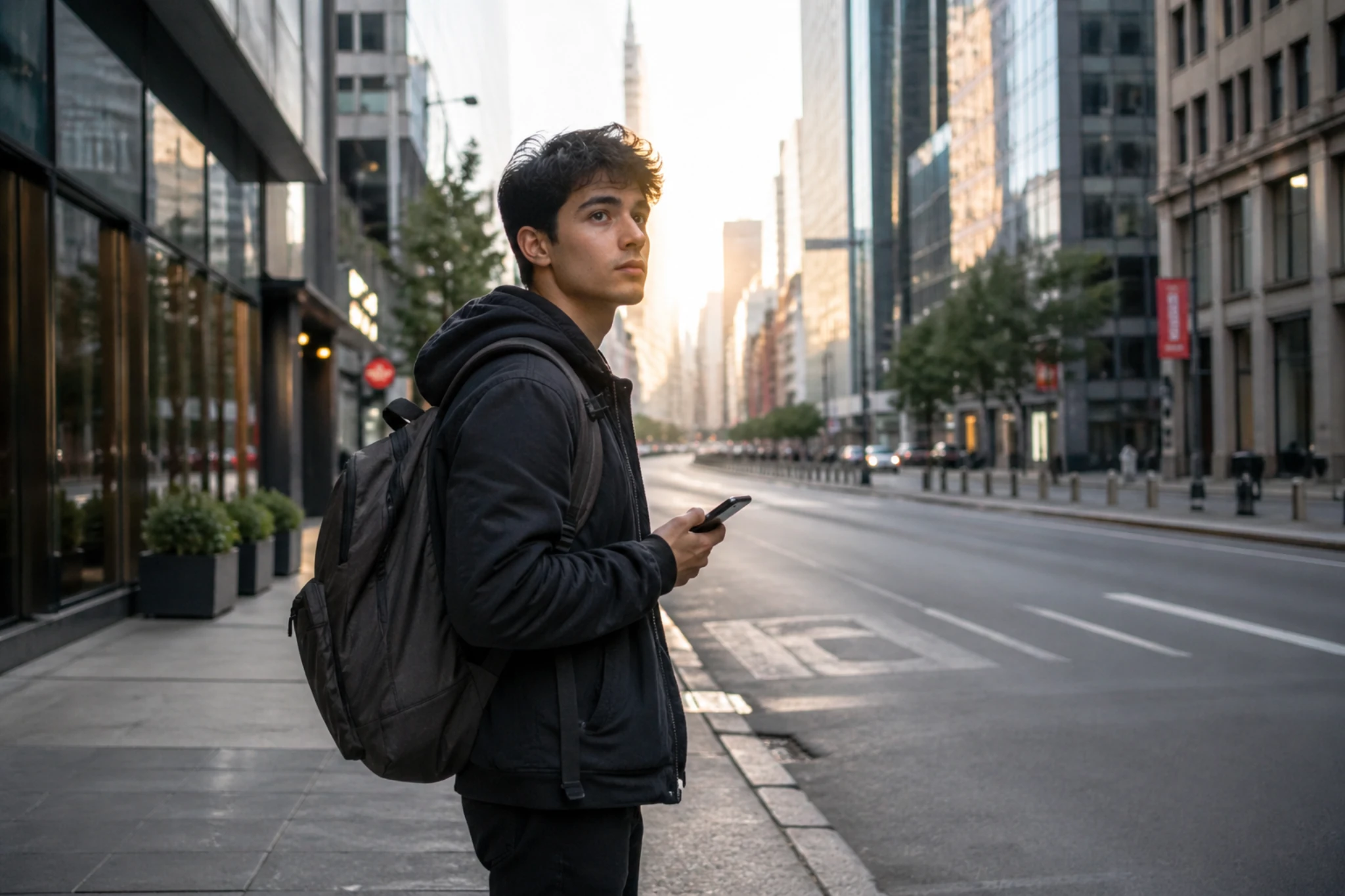
Moving to a new city alone sounds exciting at first. However, once you arrive, things can feel different. The streets are unfamiliar. The people don’t know you. Even simple tasks like walking at night or taking a ride can feel stressful. As a result, many solo travelers feel unsure during the first few days.
I’ve faced this myself. In the beginning, I double-checked directions and avoided empty streets. At times, I felt lost even in busy areas. Over time, I learned that staying safe in a new city alone is about simple habits, not fear. This guide shares those habits so you can feel more confident and in control.
Before You Arrive — Plan Ahead
First, research the area where you will stay. Look for places with good lighting and regular activity. In addition, read recent reviews about safety. Next, save offline maps on your phone. Also, share your location and address with someone you trust.
If a deal looks too cheap, pause for a moment. Often, there is a reason behind low prices. Therefore, choose comfort and safety over saving a small amount of money.
Your First 24 Hours Matter
Once you arrive, take it slow. Walk around your area during daylight. For example, locate nearby stores, cafes, and transport stops. At the same time, notice how locals behave and move.
Instead of rushing, focus on understanding your surroundings. In fact, many travelers say the first day feels confusing. That feeling is normal. Gradually, things become easier.
How to Identify Safe Areas
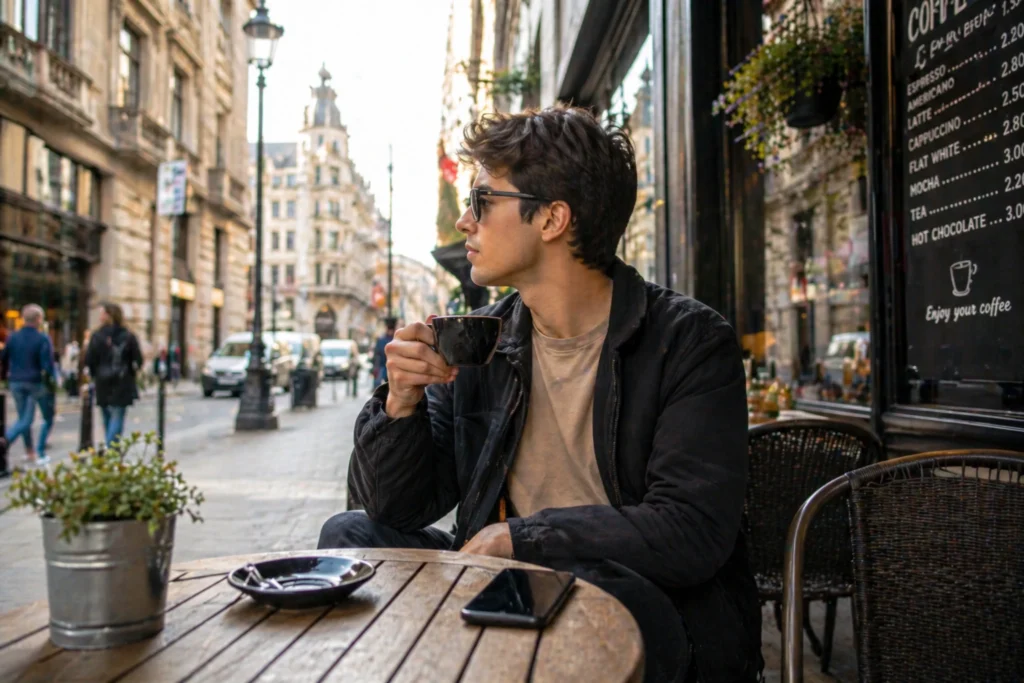
Safe areas usually have people around. In other words, you will see open shops and steady movement. On the other hand, unsafe places often feel empty and poorly lit.
If streets are quiet and closed, leave that area. Similarly, trust your instincts if something feels off. In most cases, your gut feeling is correct.
Blend In and Stay Low-Key
Looking confident helps you avoid attention. So, walk with purpose even if you feel unsure. Also, avoid checking your phone in the middle of the street.
Wear simple clothes that match the local style. Moreover, avoid telling strangers you are new. Even when confused, step into a shop instead of stopping outside.
Stay Safe During the Day
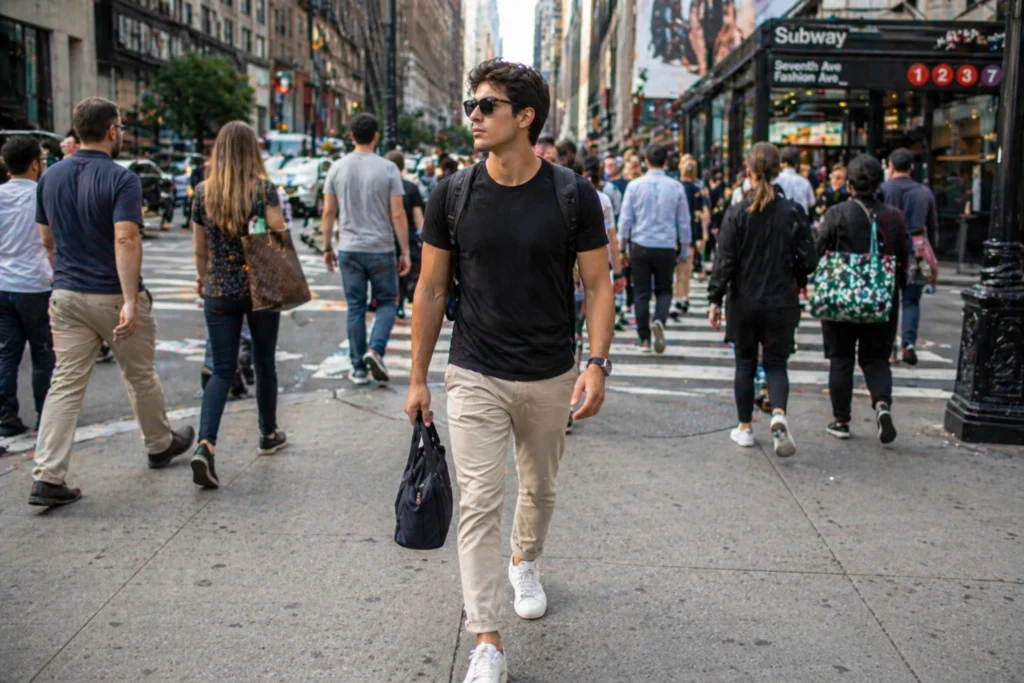
Although daytime feels safer, risks still exist. Keep your bag in front in crowded places. Also, avoid using your phone openly in busy areas.
If someone tries to distract you, stay alert. For instance, sudden friendly conversations can be a trick. In that case, stay polite but move away quickly.
Night Safety — Stay Extra Alert
At night, risks increase. Therefore, choose well-lit streets with people around. Avoid shortcuts through empty areas.
If unsure, take a ride instead of walking. In addition, trust your instincts. If something feels wrong, leave immediately.

Transport Safety Tips
Transport requires careful attention. Before entering a car, check the number plate. Then, share ride details with someone you trust.
Sit in the back seat and stay aware of the route. If the driver changes direction without reason, speak up. Most importantly, your safety matters more than being polite.
Home Safety When Living Alone
Your home should feel secure. Always lock your doors, even during the day. Also, avoid telling others that you live alone.
Do not open the door to strangers. In addition, keep curtains closed at night. These small steps help reduce risk.
Digital Safety in a New City
Your phone is your safety tool. So, keep it charged at all times. Also, avoid using public WiFi for sensitive tasks.
For trusted and updated advice on online safety, follow guidance from Federal Trade Commission. Their tips help you avoid scams and protect your personal data while exploring a new city.
Save emergency contacts and important documents. For example, store copies in your email. This way, you always have backup access.
What To Do in Risky Situations
Sometimes, situations can change quickly. Therefore, knowing what to do is important.
If someone follows you, enter a busy place and change direction. If you feel unsafe in a ride, ask to stop in a crowded area. In case you get lost at night, avoid wandering and find a safe location.
If your phone dies, go to a hotel or store for help. Always stay calm and act quickly.
Emergency Plan for Solo Travelers
Every traveler needs a backup plan. Save local emergency numbers on your phone. Also, keep some emergency cash with you.
Share your live location when needed. In addition, have one trusted contact who knows your plans. Preparation reduces stress.
Daily Safety Habits
Safety comes from small actions. Keep your phone charged and stay aware of your surroundings. Also, change your routine sometimes to avoid patterns.
Lock your doors and keep essentials ready. Over time, these habits become natural.
Mistakes to Avoid
Many people make simple mistakes. For example, trusting strangers too quickly or sharing personal details.
Ignoring your instincts can also lead to risk. Instead, take your time and stay alert. Learning from others helps you stay safe.
Conclusion
From my experience, confidence builds slowly. At first, everything feels new and uncertain. However, once you develop safety habits, things start to feel normal. You begin to understand your surroundings and make better decisions.
In the end, staying safe in a new city alone is about awareness, not fear. With the right approach, you can enjoy your freedom without stress. Stay alert, trust yourself, and give it time.
