


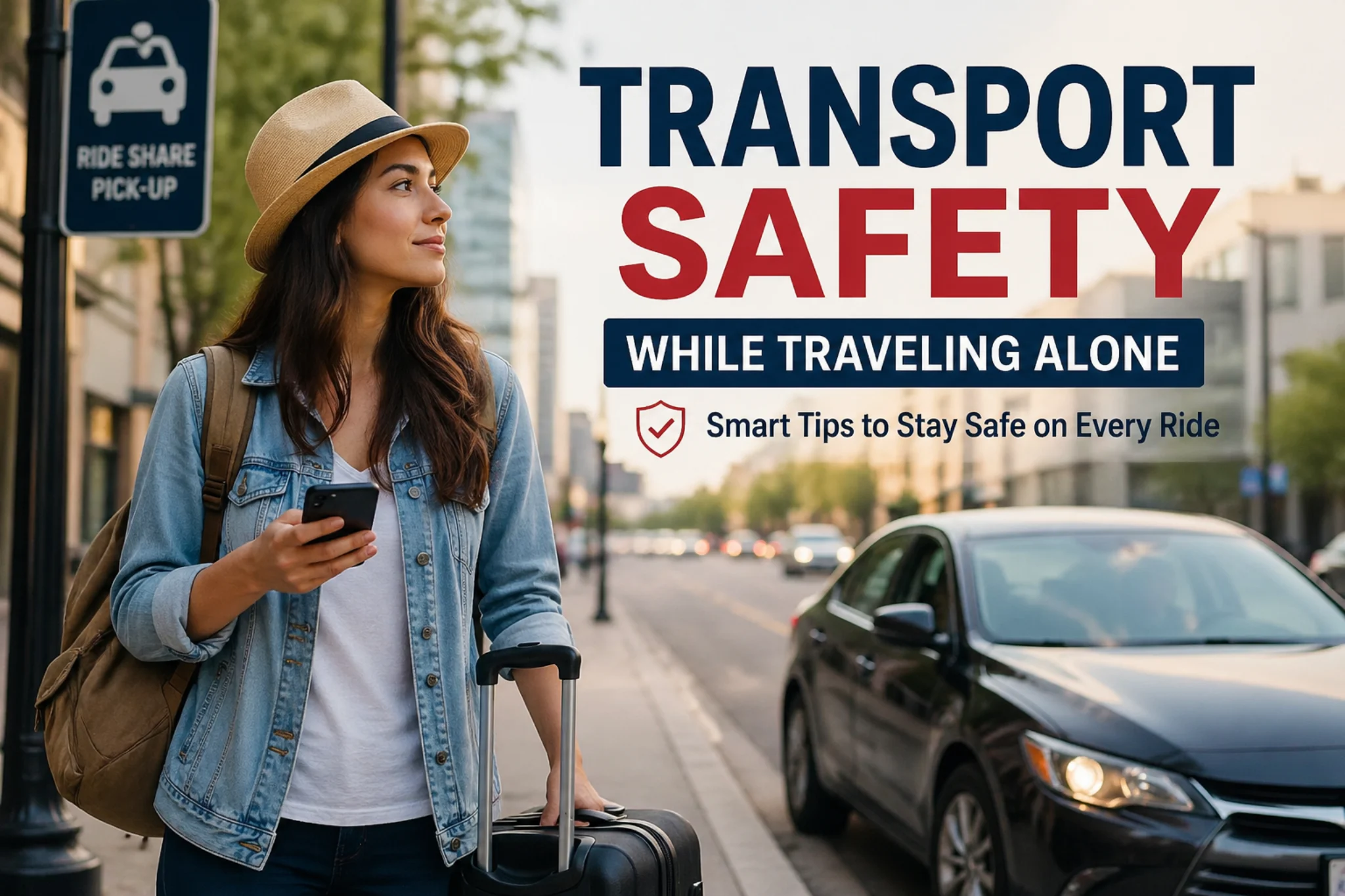
Traveling alone sounds exciting, but one wrong ride can create real problems. Many solo travelers worry about getting into unsafe transport or choosing the wrong route. Because of this, transport safety while traveling alone becomes a top concern, especially in new places.
I have faced this myself. Once, I booked a ride late at night, and the driver changed the route without reason. At that moment, I realized how important it is to stay alert. Since then, I follow clear safety steps. In this guide, I will share what actually works so you can stay safe and confident.
Why Transport Safety Matters
When you travel solo, you depend on transport daily. For example, you use taxis, buses, or trains to move around. However, each option has risks.
In the US, road travel is the most risky compared to air travel. As a result, careful decisions matter more than ever. Even a small mistake can lead to trouble. Therefore, staying aware helps you stay in control.
Common Transport Risks Solo Travelers Face
Before taking action, you should know the risks. In many cases, problems happen due to simple mistakes.
- Fake taxis or wrong drivers
- Route changes without reason
- Theft in crowded places
- Poor lighting at stops
- Being alone at night
Because of these risks, preparation is key. In addition, awareness helps you react quickly.
Before You Enter Any Transport
This step is often ignored. However, it is very important.
First, always wait in well-lit areas. Next, choose busy pickup points like hotels or shops. Also, avoid standing alone on empty streets. At the same time, stay alert and avoid distractions.
As a result, you reduce risk before the ride even begins.

Safety Tips by Transport Type
Different transport types need different safety steps. So, let’s break it down.
Taxi Safety
- Use licensed taxis only
- Avoid random street pickups at night
- Check driver ID
- Sit in the back seat
- Wear a seatbelt
Ride-Sharing Safety
Apps like Uber and Lyft are common. However, you still need to be careful.
- Match car plate and driver photo
- Ask the driver your name first
- Never enter if details don’t match
- Share your trip
- Sit in the back seat
Subway & Metro Safety
- Stay near other passengers
- Avoid empty train cars
- Keep your bag secure
- Stay in well-lit areas
Bus Safety
- Sit near the driver
- Stay alert during stops
- Do not sleep on long rides
- Keep your items close
Train Safety
- Choose busy coaches
- Avoid isolated seats
- Keep luggage near you
Walking After Transport
- Plan your route in advance
- Walk in bright areas
- Avoid using your phone too much
- Trust your instincts
Ride-Sharing Safety: Step-by-Step
This is where many issues happen. So, follow these steps carefully.
Before the Ride
First, check the driver rating. Then, confirm car details. Also, wait in a safe place.
During the Ride
Track your route using Google Maps. In addition, avoid sharing personal details. Stay aware at all times.
Red Flags
- Driver asks to cancel the ride
- Route changes suddenly
- Strange behavior
If something feels wrong, end the ride safely.

Real-Life Situations and What to Do
Sometimes things go wrong. Therefore, you must be ready.
If the driver changes route:
Check your map and ask calmly. If needed, stop in a busy place.
If you feel unsafe:
Call someone or act like you are on a call.
If your ride cancels at night:
Go to a nearby hotel or store.
If someone follows you:
Enter a crowded area immediately.
Transport Safety Tips for Solo Female Travelers
Solo female travelers need extra care. For this reason, planning matters more.
- Avoid late-night travel when possible
- Share ride details
- Trust your instincts
- Stay in busy areas
- Leave if uncomfortable
Above all, your safety comes first.
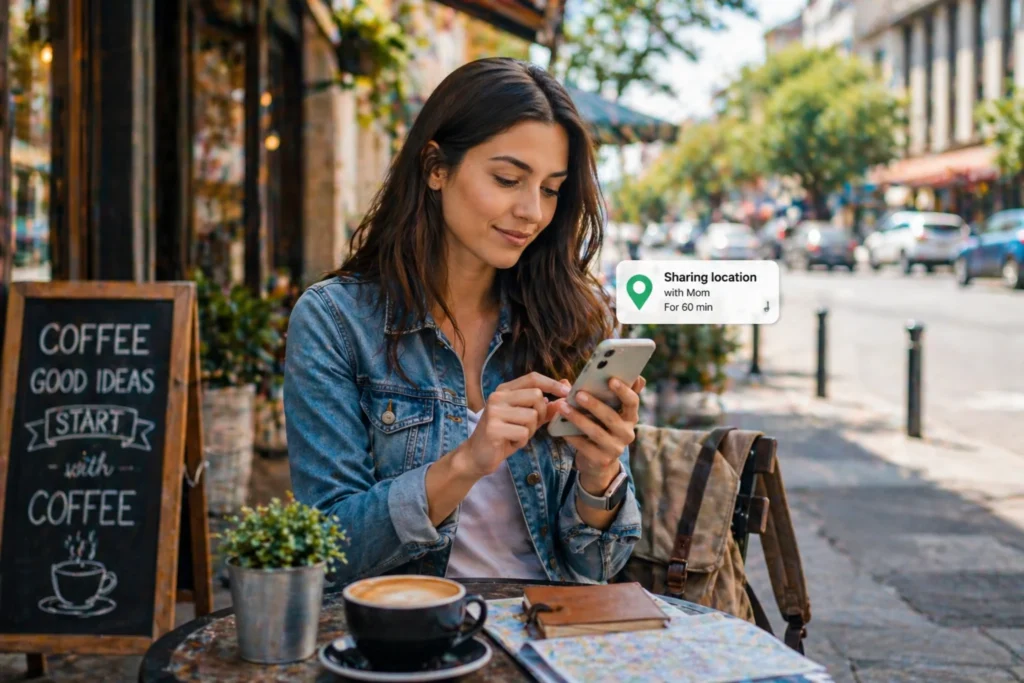
Safety Tools Every Solo Traveler Should Use
Technology can help a lot. For instance, simple tools can improve safety.
- Live location sharing
- Emergency SOS
- Offline maps
- Power bank
Because of these tools, you stay connected and prepared.
Safe vs Unsafe Signs
Safe signs:
- Driver matches app
- Route is normal
- Driver is professional
Unsafe signs:
- Route changes
- Driver avoids tracking
- Strange behavior
In short, act quickly if something feels off.
What Is the Safest Transport Option?
Each option has a different risk level.
- Flights → safest
- Trains → generally safe
- Ride-sharing → depends on driver
- Buses → moderate risk
- Walking at night → higher risk
Therefore, choose wisely based on time and place.
Emergency Actions You Should Know
If something goes wrong, act fast.
- Call 911 in the US
- Use app SOS features
- Exit at a public place
- Contact someone
For official safety guidance, you can also check recommendations from National Highway Traffic Safety Administration, which provides trusted advice on staying safe during travel.
Quick Safety Checklist
Before every ride, remember:
- Verify driver identity
- Share your location
- Wear a seatbelt
- Stay alert
- Plan your route
FAQs
Yes, but you must stay aware and follow safety steps.
Yes, if you verify the driver and track your ride.
Use trusted transport, stay in busy areas, and avoid empty places.
Ask to stop in a public place and leave safely.
Final Thoughts
Over time, I have learned that transport safety while traveling alone is not about fear. It is about awareness and small smart actions. Most problems can be avoided if you stay alert, check details, and trust your instincts.
From my own experience and careful research, I can say this clearly. Safe travelers are not lucky, they are prepared. Follow these steps, stay aware, and you will travel with confidence wherever you go.
