


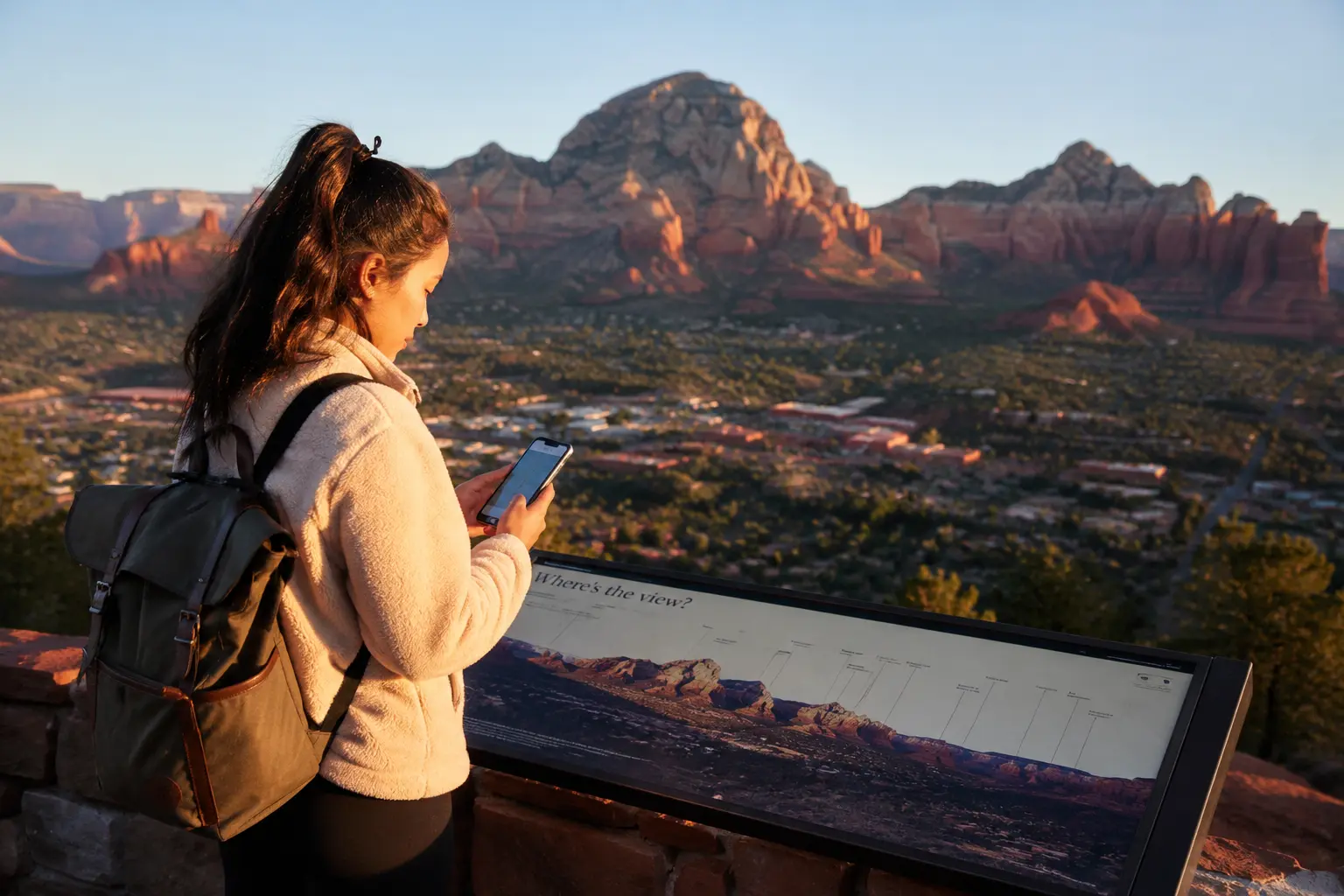
Traveling alone gives you the freedom to explore at your own pace. Every destination feels more personal, and every experience becomes your own story. However, capturing those memories can be difficult when nobody is there to take your picture.
Fortunately, learning a few solo travel photography tips can completely change the way you document your adventures. With the right approach, it becomes much easier to take beautiful photos, improve your skills, and create images that reflect the real experience of your trip.
Why Solo Travel Photography Can Be Challenging
Traveling alone means handling every part of the photography process yourself. Nobody is available to hold the camera, suggest a different angle, or help with equipment.
As a result, many travelers end up with endless selfies or very few photos of themselves.
At the same time, solo travel offers a unique advantage. Since every decision is yours, you can experiment with different styles and learn what works best. Over time, this freedom helps many travelers become better photographers.
Pack the Right Photography Gear
Great photos do not require expensive equipment. Instead, focus on carrying lightweight gear that makes photography easier.
A modern smartphone is enough for most travelers. Meanwhile, a mirrorless camera provides more control for those who enjoy photography as a hobby.
Consider packing:
- Lightweight tripod
- Bluetooth remote shutter
- Portable power bank
- Extra memory cards
- Lens cleaning cloth
Consequently, you will be prepared for different situations throughout your journey.

Plan Photo Locations Before Your Trip
Many travelers arrive at a destination without researching photography spots. Unfortunately, this often leads to missed opportunities.
Before leaving, spend some time exploring locations through Google Maps. In addition, check Instagram location tags to discover hidden viewpoints and scenic streets.
Furthermore, look up sunrise and sunset times. Soft natural light usually produces better images than harsh midday sunlight.
Likewise, visiting popular attractions early in the morning can help you avoid crowds and capture cleaner photos.
Use a Tripod and Self-Timer
A tripod remains one of the most useful tools for solo travel photography.
Simply place your camera or smartphone on the tripod, activate the timer, and walk into position. Next, take multiple shots instead of relying on a single image.
Afterward, choose the strongest photo during editing.
This method works particularly well at landmarks, beaches, viewpoints, and city streets.
Improve Composition for Better Results
Photography is not only about the camera. Composition plays an equally important role.
For example, the rule of thirds can instantly improve your photos. Rather than placing yourself in the middle of every frame, position the subject slightly off-center.
Additionally, look for:
- Leading lines
- Symmetry
- Reflections
- Natural frames
- Foreground elements
As a result, your images will appear more balanced and visually appealing.

Take Natural-Looking Photos
Many solo travelers worry about looking uncomfortable in front of the camera. Fortunately, there are simple ways to create more authentic images.
Instead of staring directly at the lens, focus on an activity.
For instance:
- Walk naturally
- Enjoy a coffee
- Watch the sunset
- Explore a market
- Look at the scenery
Meanwhile, continuous shooting mode can capture genuine moments that feel less posed.
Therefore, your travel photos will look more natural and engaging.
Make the Most of Smartphone Photography
Not everyone travels with professional photography equipment. Thankfully, modern smartphones can produce excellent results.
First, activate grid lines within your camera settings. Next, tap the screen to adjust exposure before taking the shot.
Moreover, portrait mode helps separate subjects from the background. Similarly, night mode improves low-light photography in cities and indoor locations.
Because smartphones are lightweight and easy to carry, they are often the best choice for solo travelers.
Tell a Story Through Your Photos
The strongest travel photos do more than show a destination. They tell the story of the journey.
Rather than taking only landscape images, capture a variety of moments.
Include:
- Local food
- Transportation
- Street scenes
- Architecture
- Cultural experiences
- Small details
In addition, photograph everyday moments that represent the atmosphere of a place.
As a result, your travel album will feel more complete and memorable.

Take Travel Photos Without Showing Your Face
Many travelers prefer privacy while still documenting their adventures.
Fortunately, you do not need to show your face in every photo.
Instead, try:
- Back-facing photos
- Silhouette shots
- Walking photos
- Hand-in-frame photos
- Landscape-focused images
This approach creates a sense of mystery while still helping viewers connect with the destination.

Stay Safe While Taking Photos
Photography should never come at the expense of safety.
Avoid leaving expensive equipment unattended. Likewise, be cautious when setting up a tripod in crowded areas.
If a location feels uncomfortable, move somewhere else. Furthermore, stay aware of your surroundings instead of focusing only on the camera.
Most importantly, trust your instincts.
A missed photo is far better than taking unnecessary risks.
Edit Photos Without Overdoing It
Editing helps improve an image, but too much editing often creates unrealistic results.
Begin with basic adjustments:
- Brightness
- Contrast
- Shadows
- Highlights
- Color balance
Apps such as Lightroom Mobile and Snapseed make the process simple.
Consequently, even beginners can create polished travel photos while maintaining a natural appearance.
Common Solo Travel Photography Mistakes
Many travelers make similar mistakes, especially during their first solo trip.
Try to avoid:
- Taking only selfies
- Shooting during harsh midday light
- Using excessive filters
- Forgetting photo backups
- Ignoring composition techniques
Instead, focus on variety, storytelling, and good lighting.
Ultimately, this approach leads to stronger images and a more complete record of your travels.
Conclusion
These solo travel photography tips can help you capture better photos while exploring independently. Although photographing yourself may seem difficult at first, the process becomes easier with practice.
By planning ahead, using simple equipment, improving composition, and focusing on storytelling, you can create images that preserve meaningful travel memories.
The goal is not perfection. Rather, it is capturing moments that remind you of the places you visited, the experiences you enjoyed, and the journey that made the trip special.
Frequently Asked Questions
Most solo travelers use a tripod, self-timer, Bluetooth remote, or a stable surface to position their smartphone or camera.
Yes. Modern smartphones include advanced camera features such as portrait mode, night mode, and exposure controls that can produce excellent results.
Golden hour, shortly after sunrise and before sunset, usually provides the softest and most flattering natural light.
No. Many travelers create outstanding images using only a smartphone and a few basic accessories.
