


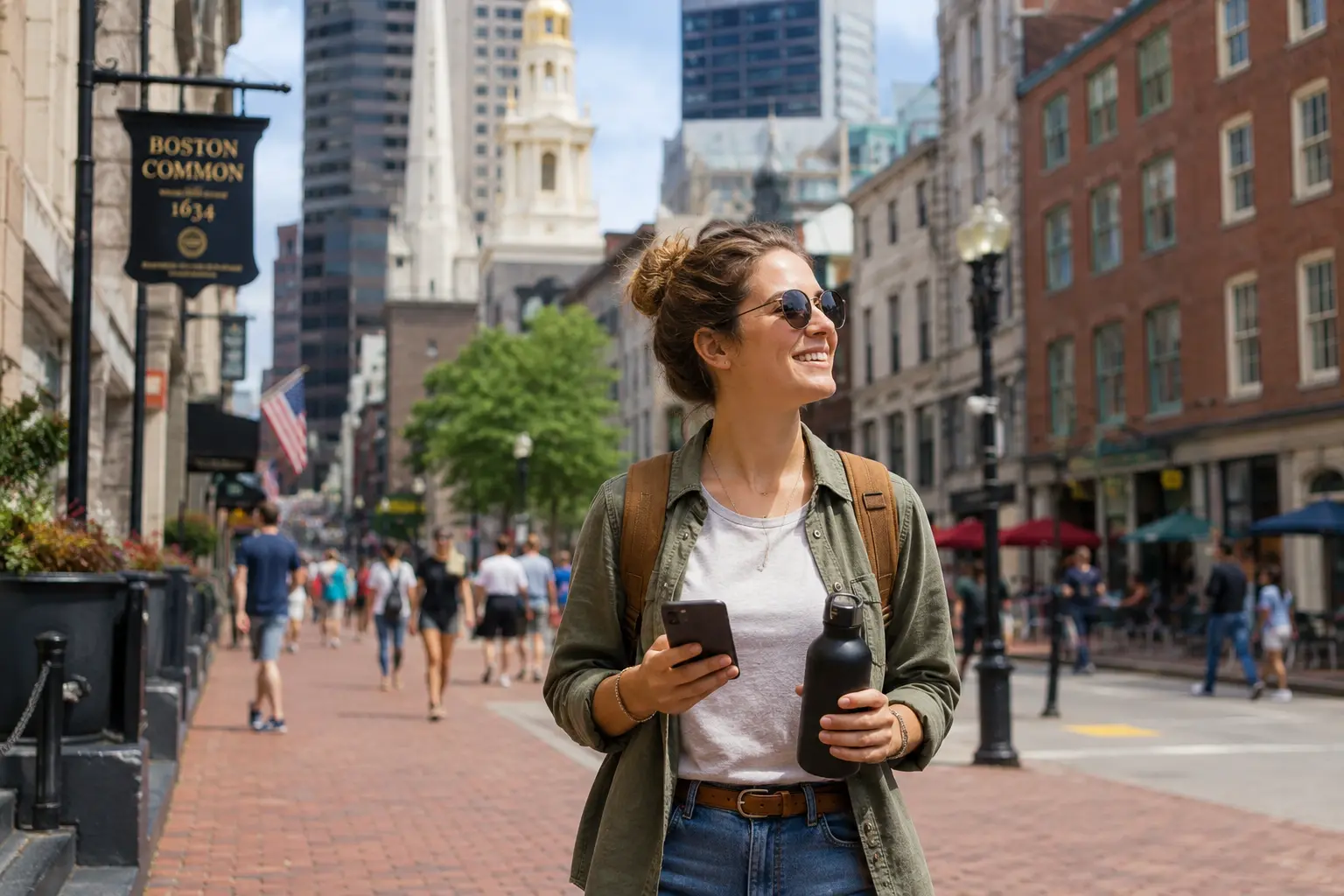
Traveling alone brings freedom, flexibility, and new experiences. A trip can feel exciting when every plan matches your interests and schedule. Still, health problems can quickly change the experience. Poor sleep, dehydration, stress, stomach issues, or exhaustion may affect comfort and safety during a trip. Solo travelers often prepare flights, hotels, and activities but forget health planning.
At TravelistCorner, we study traveler habits, planning methods, and safety concerns to create practical travel guides. After reviewing solo traveler experiences and common travel challenges, one lesson stands out. Better preparation often leads to smoother travel experiences. These solo travel health tips will help build healthy habits before departure and during the trip.
Why Health Matters During Solo Travel
Traveling alone means handling more responsibility. Transport, meals, schedules, and personal wellbeing all stay under one person’s control. Because of that, preparation matters.
Health issues can affect a travel plan quickly. For example, dehydration may lower energy levels. Poor sleep may affect decision-making. Likewise, stress can reduce enjoyment during a trip.
Good habits improve comfort and confidence. Healthy choices also support stronger travel routines. As a result, travelers often feel more prepared when unexpected situations happen.
Prepare Before Leaving Home
Preparation reduces stress. In addition, early planning may prevent small problems from becoming larger ones.
Basic preparation steps include:
- Check prescription medicine supply
- Carry medical information if needed
- Save emergency contacts
- Review travel insurance details
- Research healthcare access near the destination
Different places also bring different health concerns. Therefore, learning about climate, food safety, and local medical services before departure makes sense.
Health preparation creates peace of mind.
Build a Travel Health Kit
Packing important supplies supports safer travel habits. A travel health kit helps manage small problems quickly.
Consider packing:
Medicine rules may differ across countries. Therefore, checking local regulations before departure helps avoid problems.
Many experienced travelers also keep digital copies of health documents. As a result, important information stays available during emergencies.

Stay Hydrated During Travel
Hydration supports energy and recovery. Flights, warm weather, walking, and busy schedules often increase fluid needs.
Simple hydration habits help:
- Carry a refillable bottle
- Drink water during flights
- Increase fluids in hot weather
- Watch for dehydration signs
Common dehydration signs include:
- Headache
- Tiredness
- Dry mouth
- Dizziness
Good hydration habits belong on every solo travel health tips checklist. In many cases, small actions improve comfort during travel days.
Eat Better While Traveling Alone
Food choices affect energy levels. Healthy eating habits also support digestion.
Travel schedules sometimes change meal routines. Fast food, skipped meals, or unfamiliar foods may affect how the body feels.
Balanced meals often include:
- Protein
- Fruits
- Vegetables
- Whole grains
Healthy snacks also help during busy travel days.
Useful options include:
- Nuts
- Fruit
- Protein bars
- Crackers
Food safety matters too. Therefore, paying attention to cleanliness and food quality supports better travel experiences.
Many travelers include food planning inside their solo travel health tips routine because healthy eating supports both comfort and energy.

Sleep Better and Reduce Travel Fatigue
Sleep affects mood, focus, and recovery. Unfortunately, travel schedules often disrupt sleep routines.
Long flights, changing time zones, and busy plans may increase fatigue. However, small habits help.
Better sleep habits include:
- Sleep well before departure
- Follow local sleep schedules
- Limit unnecessary late nights
- Stay hydrated during flights
Daylight exposure may also support adjustment after arrival. Meanwhile, rest days help reduce exhaustion during longer trips.
Healthy sleep habits remain one of the most useful solo travel health tips for long-term comfort.
Support Mental Wellbeing During Solo Travel
Solo travel feels rewarding. However, long trips may also create stress.
Common challenges include:
- Loneliness
- Homesickness
- Mental fatigue
- Travel burnout
Building recovery time helps maintain balance.
Helpful habits include:
- Flexible schedules
- Quiet time
- Journaling
- Walking breaks
Staying connected matters too. Therefore, keeping emergency contacts and offline maps available supports both safety and peace of mind.
Mental wellbeing deserves space inside every solo travel health tips plan because emotional health affects the full travel experience.

Stay Active During Trips
Movement supports healthy travel habits. Activity levels often change during vacations. As a result, energy levels may change too.
Simple movement ideas include:
- Walking more
- Stretching after flights
- Taking stairs
- Short hotel exercises
Small routines often feel easier to maintain. Consistency matters more than perfection.
Many travelers add movement goals into their solo travel health tips planning because physical activity supports recovery and energy.
Know What To Do If Illness Happens
Health problems can happen during any trip. Preparation makes them easier to manage.
Simple response steps include:
Check symptoms
Notice changes carefully.
Find medical support
Research local clinics and pharmacies.
Contact insurance support
Travel insurance providers may help explain next steps.
Rest when needed
Recovery matters.
Preparation supports confidence. Therefore, keeping health information available remains important during solo travel.
Solo Travel Health Checklist
Use this checklist before departure:
| Task | Complete |
|---|---|
| Pack medicine | □ |
| Save emergency contacts | □ |
| Carry insurance details | □ |
| Pack hygiene products | □ |
| Bring healthy snacks | □ |
| Research clinics nearby | □ |
| Plan hydration habits | □ |
Good preparation strengthens healthy travel routines.
Frequently Asked Questions
Long trips sometimes increase stress or loneliness. Healthy routines help maintain balance.
Preparation supports safety, comfort, and confidence during travel.
Medicine, hygiene supplies, and important health documents often belong inside travel bags.
Healthy eating, hydration, movement, sleep, and planning support travel wellbeing.
Conclusion
Solo travel creates freedom and memorable experiences. Health preparation supports safer and more enjoyable trips. Better sleep, hydration, healthy eating, and planning habits reduce stress and improve comfort. Small actions often create large benefits over time.
At TravelistCorner, practical travel advice stays at the center of every guide. After studying traveler concerns and solo travel challenges, one lesson remains clear. Preparation supports stronger travel experiences. Use these solo travel health tips before your next trip and build healthier habits that travel with you anywhere.
