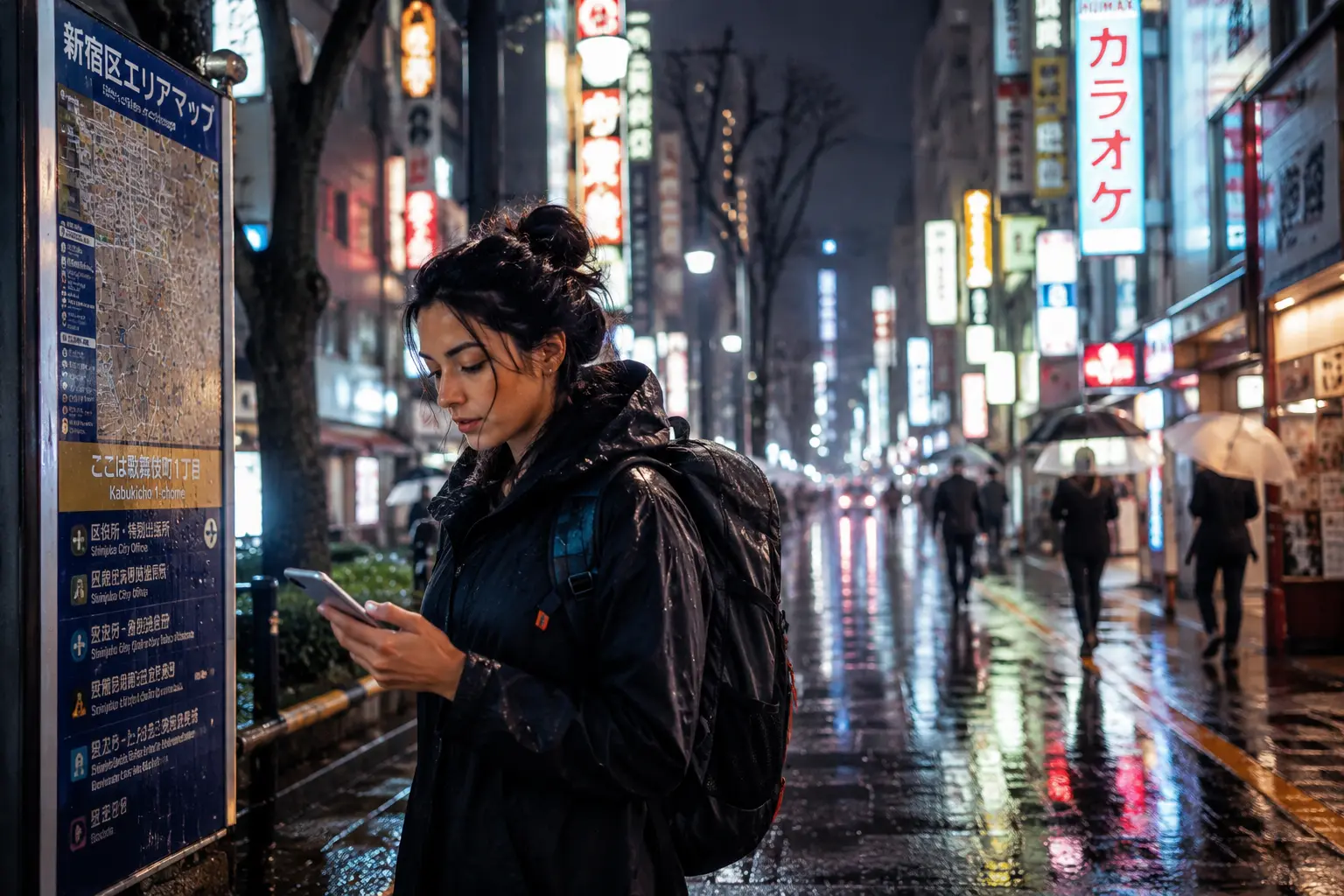
Traveling alone feels exciting and freeing. New places, different cultures, and personal growth make solo travel special. However, unexpected problems can quickly turn a great trip into a stressful experience. Lost baggage, canceled flights, or sudden medical emergencies become harder to manage when nobody is traveling beside you. Because of this, travel insurance for solo travelers has become more important than ever.
During a solo trip in Southeast Asia, I met a traveler who became seriously sick after eating street food. Unfortunately, she did not have travel insurance. Hospital staff asked for payment before treatment started, and she struggled to contact family back home. That moment showed how quickly emergencies abroad can become overwhelming for solo travelers.
The freedom of solo travel feels amazing, but real peace of mind comes from knowing you are protected if something goes wrong far from home.
Clara Whitmore
Why Solo Travelers Need Travel Insurance
Traveling with friends or family gives extra support during emergencies. On the other hand, solo travelers handle every situation alone. Therefore, even small travel problems may become difficult to manage.
For example, losing a passport abroad can affect hotel bookings, flights, and identity verification. Similarly, missing a connecting flight in another country may leave travelers stranded overnight. In addition, medical treatment overseas can become extremely expensive without proper coverage.
Travel insurance for solo travelers helps reduce these risks by offering financial and emergency support during unexpected situations.
Missed flights and travel delays become more stressful when traveling alone.
What Travel Insurance Usually Covers
Most travel insurance plans include several important protections. First of all, emergency medical coverage helps pay for hospital visits, doctor consultations, and urgent treatment abroad. As a result, travelers avoid large medical bills in unfamiliar countries.
Secondly, trip cancellation coverage protects prepaid expenses if plans suddenly change because of illness, weather issues, or family emergencies. Likewise, trip interruption benefits may help if travelers must return home earlier than expected.
Another useful feature includes baggage and theft protection. Solo travelers often carry phones, laptops, cameras, and travel documents. Consequently, insurance may help cover losses caused by theft or delayed luggage.
Moreover, many policies also provide 24/7 emergency assistance services. These services can help travelers find hospitals, replace passports, or arrange emergency transportation during difficult situations.
Coverage Type
Why It Matters for Solo Travelers
Medical Coverage
Helps pay for hospital bills, doctor visits, and emergency treatment abroad.
Emergency Evacuation
Covers transport costs during serious medical or safety emergencies.
Trip Cancellation
Protects prepaid travel expenses if plans change unexpectedly.
Baggage Protection
Provides support for lost, delayed, or stolen luggage and valuables.
Emergency Assistance
Offers 24/7 help with hospitals, passports, flights, and urgent travel issues.
Common Risks Solo Travelers Face Abroad
Solo travelers often experience challenges that group travelers may avoid. For instance, getting sick while alone in another country can feel stressful and confusing. Language barriers, transportation problems, and emergency payments become harder without support nearby.
At the same time, tourist scams remain common in busy destinations. Fake taxi drivers, pickpocketing, and ATM scams often target international visitors. Therefore, staying alert during solo travel is very important.
Another major concern involves emergency evacuation. Serious injuries or natural disasters may require immediate transportation to another hospital or even another country. In such cases, evacuation costs can become extremely high.
Solo traveler checking train schedule during travel delay in Europe
What Travel Insurance Does Not Cover
Although travel insurance offers strong protection, some situations may not qualify for claims. For example, many policies do not cover alcohol-related accidents or risky activities without adventure sports coverage.
Likewise, unattended belongings may not qualify for reimbursement. Because of this, travelers should always review policy details carefully before purchasing coverage.
Furthermore, some plans exclude pre-existing medical conditions unless travelers buy additional protection. Reading the fine print remains important for avoiding surprises later.
Travel Insurance for Backpackers and Digital Nomads
Long-term travelers usually need more flexible coverage compared to short vacation travelers. Backpackers and digital nomads often visit multiple countries during one trip. Therefore, long-term travel insurance plans may offer better value.
Many remote workers also carry expensive electronics while traveling. As a result, checking laptop and gadget protection limits becomes essential before buying a policy.
Meanwhile, adventure travelers should review activity coverage carefully. Hiking, scuba diving, and trekking sometimes require additional protection under travel insurance plans.
Long-term travelers often need flexible travel insurance with electronics protection.
How to Choose the Right Policy
Choosing the best travel insurance for solo travelers depends on travel style, destination, and trip length. First, travelers should compare medical coverage limits carefully. Higher medical protection often provides better peace of mind during international trips.
Next, emergency evacuation benefits deserve close attention because transportation costs abroad may become extremely expensive. In addition, travelers should compare customer support quality and claim processes before purchasing a plan.
Experienced solo travelers also recommend buying insurance soon after booking flights or hotels. As a result, travelers may receive stronger cancellation benefits and better overall protection.
Final Thoughts
Over the years, I have spoken with many solo travelers who faced unexpected emergencies abroad. Some lost passports during train journeys, while others needed medical treatment far from home. The travelers who handled these situations best usually prepared early and carried reliable travel insurance.
Travel insurance for solo travelers does more than protect money. It also provides confidence during uncertain moments abroad. Before your next trip, compare policies carefully, understand coverage details, and choose protection that matches your travel plans. A little preparation today can prevent major stress later.
Clara Whitmore is a US-based solo travel writer and founder of Travelist Corner. She shares practical advice on planning, safety, and what traveling alone is really like, helping travelers feel confident on their own trips.