


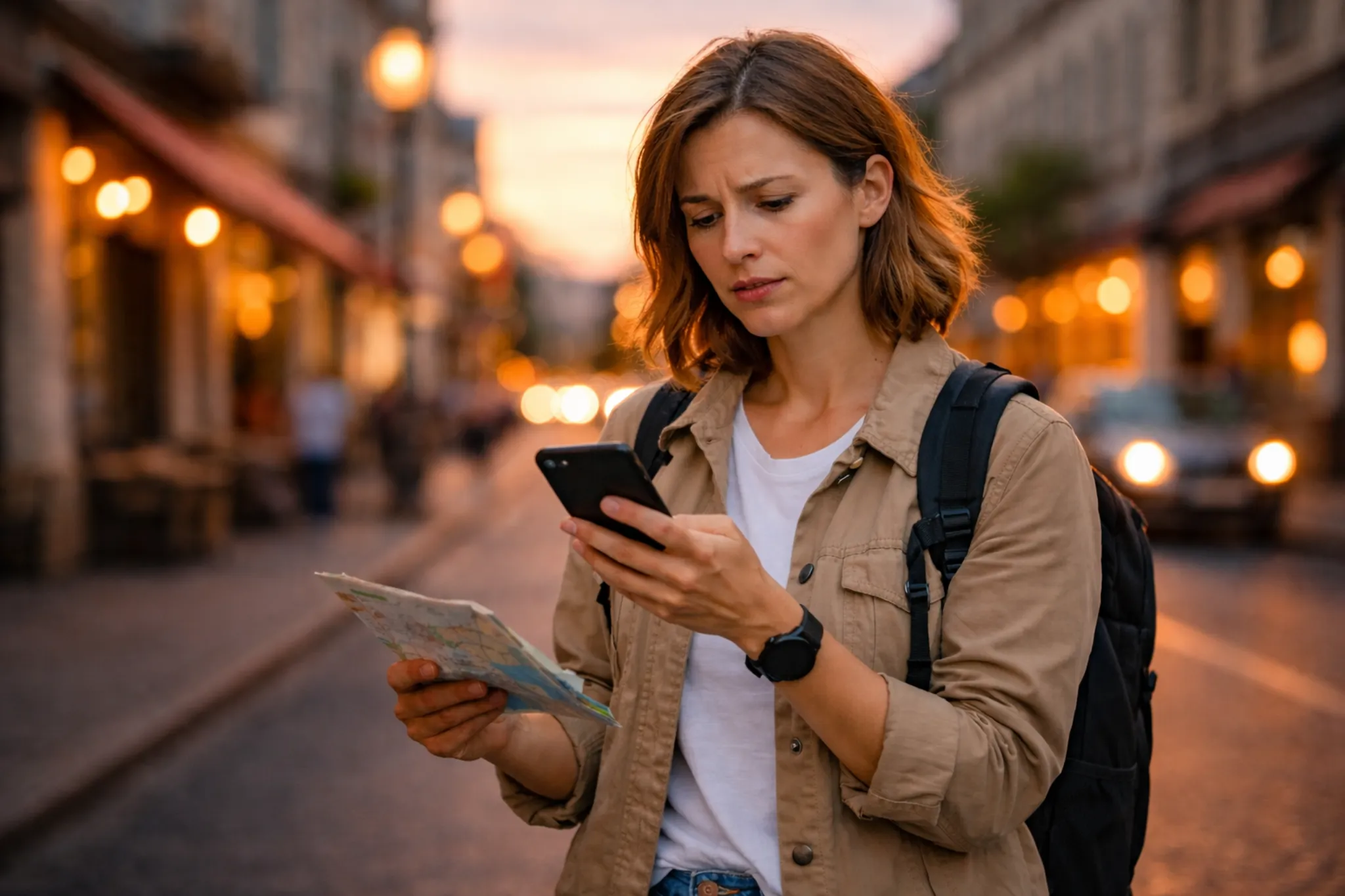
Planning a trip should feel exciting. However, many travelers feel confused when they see mixed safety advice online. One source says a place is safe, while another warns against it. Because of this, choosing the right destination becomes stressful.
At Travelist Corner, we focus on practical and safe travel planning. From my own experience, skipping safety checks can lead to poor choices. I once selected a destination that seemed safe, but certain areas were not. Since then, I follow a clear system using trusted sources. This guide shows how to research a safe destination in a simple and reliable way.
Why Safety Research Matters
A destination may look perfect in photos. Still, safety is a different factor.
Some places have:
- crime issues
- health risks
- tourist scams
Many travelers ignore safety research. As a result, they face problems that could have been avoided.
Step 1: Check Official Travel Advisories
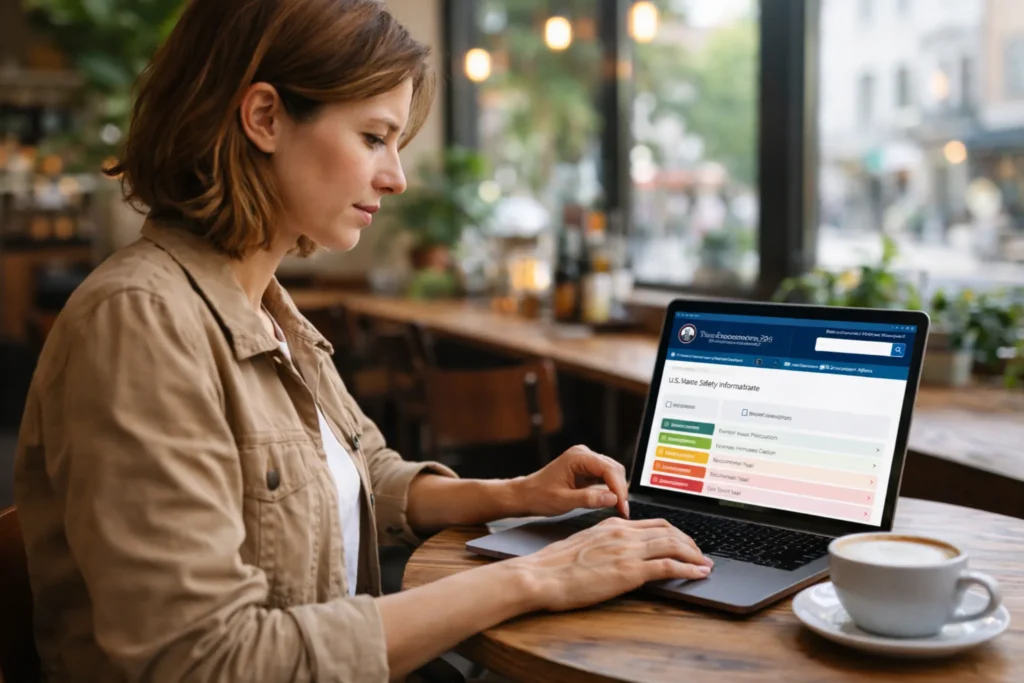
Start with the U.S. Department of State.
Check here: Travel Advisories
Levels:
- Level 1: Normal precautions
- Level 2: Be careful
- Level 3: Reconsider
- Level 4: Do not travel
Use this rule:
- Level 1–2 → safe for most travelers
- Level 3 → plan carefully
- Level 4 → avoid
This is the first step in how to research a safe destination.
Step 2: Check Health Risks
Visit the Centers for Disease Control and Prevention.
Check:
- diseases
- vaccines
- food safety
Also review hospital access and travel insurance needs.
Step 3: Review Crime Data
Use Numbeo.
Look at:
- crime rate
- safety score
Compare with cities you know for better understanding.
Step 4: Read Real Traveler Reviews
Use:
- Tripadvisor
Search:
- “Is [city] safe?”
- “Scams in [place]”
Focus on recent reviews.
Step 5: Research Neighborhoods
Use Google Maps.
Check:
- area reviews
- street view
- surroundings
Search:
- safest areas to stay
Even safe countries can have unsafe areas.
Step 6: Check Transportation Safety
Look for:
- taxi scams
- safe ride apps
- public transport issues
Avoid unofficial taxis.
Step 7: Watch for Common Scams
Search:
- “Common scams in [destination]”
If the same scam appears often, it is common.
Step 8: Check Local Laws
Every country has different rules.
Check:
- dress codes
- restrictions
- public behavior
Small mistakes can cause serious issues.
Step 9: Register for Travel Alerts
Use alert systems from the U.S. Department of State.
This helps you:
- get updates
- stay informed
Step 10: Check High-Risk Areas
Do not judge a country as a whole.
Check:
- cities
- neighborhoods
- border areas
Real Example
Example process:
- advisory → safe level
- health → low risk
- reviews → positive
- areas → safe zones selected
Result: safe to travel with care.
Red Flags
Avoid if you see:
- repeated scams
- unrest
- no recent reviews
Quick Safety Checklist
Before booking:
- advisory level
- health risks
- crime data
- neighborhoods
- transport safety
Conclusion
At Travelist Corner, we believe safe travel starts with the right research. Safety is not based on luck. It depends on checking the right information before you go.
From experience, using official data and real reviews makes travel planning easier and safer. Follow this step-by-step method, and you will be able to research any destination with confidence.

FAQs
Check advisories, health risks, crime data, and reviews.
No. Always use multiple sources.
Yes. Always check neighborhoods.
Before booking and before travel.
